 Vista previa
 Compartir
 Compartir
 Ver detalles

 Descargar
 Ver similares
 Radiografía
 Presentación de diapositivas
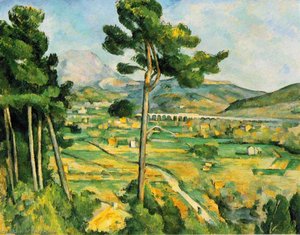
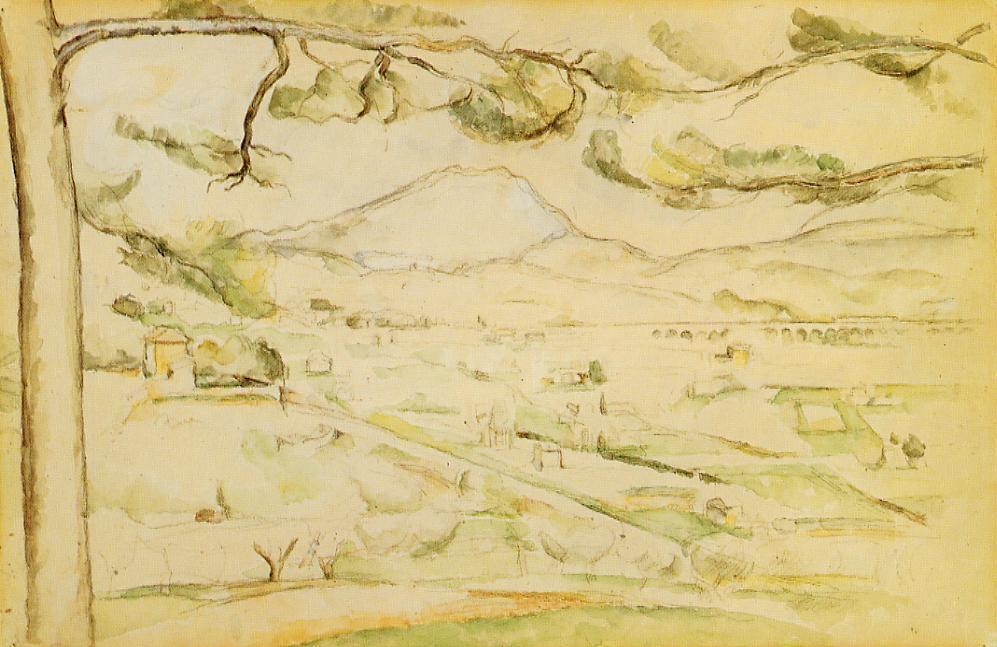
The Arc Valley


 Leer más
Giclée / Impresión de arte
Impresiones giclée o en lienzo de calidad de museo con producción rápida y opciones de acabado flexibles. ( Cambiar a pintura hecha a mano Cambiar a imagen)




P118B $10

P118H $10

P118W $10

P438Z $10

P508JH $12

P508YH $12

P805H $10

P805Z $10

P919BZ $10

P919G $10

P919XJ $10

P959ZH $10

P968JZ $12

W106C $8

W218G $10

W218JH $8

W218Y $10

W307PJ $10

W316G $10

W316PJ $8

W316Y $10

W398PJ $8

W4111J $10

W500HY $15

W500JH $15

W692G $12

W849H $8

W940BG $15

W953PJ $8




Elija entre nuestros tamaños predefinidos que respetan las proporciones originales de la obra.

Puede introducir sus propias dimensiones para adaptarse a un marco o espacio específico. Si el tamaño seleccionado no coincide con las proporciones de la imagen original, recortaremos la obra de arte o extenderemos la imagen con un borde con efecto espejo o de color sólido. Se enviará una maqueta digital para su aprobación antes de que comience la producción.
Tenga en cuenta que la vista previa en pantalla no refleja el recorte o la extensión real. Solo la maqueta mostrará con precisión la composición final.
Aunque existen tamaños personalizados, recomendamos seleccionar una dimensión de la lista predefinida para preservar las proporciones originales.
Envío a todo el mundo () en 2 semanas en lugar de las 4/5 semanas estándar. (9 agosto)

Envío exprés gratuito a todo el mundo

Lienzo de lino de alta calidad

Seguro de envío completo

Garantía de reembolso de aranceles aduaneros

Garantía de fidelidad cromática exacta

Política de devolución de 60 días (solo por defectos)

Garantía de devolución del 100% del dinero

Oferta por volumen
 La opción de vidrio solo está disponible en tamaños inferiores a 110 cm.

The Arc Valley
Giclée / Impresión de arte
Tamaño de la reproducción
-


Precio total
$ 80
Descripción de la pieza
A Moment Frozen in Time: Cézanne’s ‘The Arc Valley’
Paul Cézanne's “The Arc Valley,” painted in 1888, is more than just a depiction of the Provençal landscape; it’s a profound meditation on perception and the very nature of seeing. This watercolor captures a pivotal moment in Cézanne’s artistic evolution, marking his decisive shift away from Impressionistic fleeting impressions towards a rigorously constructed, almost geometric representation of reality. The scene unfolds within the Arc Valley near Aix-en-Provence, a region deeply resonant with Cézanne's life and artistic inspiration – a place he returned to repeatedly, seeking solace and subject matter for his increasingly radical explorations.
- Subject Matter: A quintessential Provençal landscape featuring rolling hills, a meandering river, and the distinctive silhouette of the Arc Valley’s namesake rock formation.
- Composition: Cézanne masterfully employs a pyramidal composition, a technique he would later refine in his still lifes, creating a sense of stability and monumental presence within the scene. The placement of figures – individuals enjoying the tranquility of the valley – adds a human element to this otherwise austere landscape.
The Language of Watercolor: Technique and Style
Cézanne’s mastery lies in his innovative use of watercolor, transforming it from a medium typically associated with delicate washes into a tool for constructing form. Notice the deliberate layering of color – thin glazes build up depth and volume, while broader strokes define the contours of the mountains and trees. The artist's meticulous attention to detail is evident in the rendering of textures: the rough bark of the trees, the smooth surface of the river stones, and the undulating grass of the hillside. This technique anticipates the formal concerns of Cubism, where objects are broken down into their constituent parts and reassembled on a flat plane.
The color palette is restrained yet evocative, dominated by earthy tones – ochres, browns, greens, and blues – that reflect the natural hues of the landscape. Cézanne’s use of light and shadow creates a strong sense of depth and atmosphere, drawing the viewer into the heart of the valley.
Historical Context and Artistic Significance
"The Arc Valley" was created during a period of intense artistic experimentation in France. Impressionism, with its focus on capturing fleeting moments of light and color, was beginning to wane, while new movements – Post-Impressionism and Proto-Cubism – were emerging. Cézanne’s work challenged the conventions of traditional landscape painting, paving the way for future generations of artists who sought to redefine our understanding of space and form. His influence can be seen in the works of Picasso, Braque, and countless others who followed.
Painted in 1888, a year before his death, this piece represents a crucial step in Cézanne’s artistic journey – a bold declaration of independence from established artistic norms and a commitment to exploring the fundamental principles of art itself. It is a testament to his unwavering belief that art should not merely imitate nature but rather reveal its underlying structure.
Emotional Impact and Collector's Value
"The Arc Valley" possesses a quiet, contemplative beauty that invites viewers to pause and reflect. The scene evokes a sense of serenity and timelessness, transporting us to the heart of the Provençal countryside. This watercolor is not simply a beautiful landscape; it’s a profound statement about art's ability to capture both the external world and our internal experience. As a significant work by one of the most influential artists of the 20th century, “The Arc Valley” represents a valuable addition to any discerning collection.
Biografía del artista
vida temprana e influencias
paul cézanne, un pintor postimpresionista francés, nació el 19 de enero de 1839 en Aix-en-Provence, Francia. Su vida temprana estuvo marcada por una fuerte conexión con la empresa bancaria de su familia, lo que le proporcionó seguridad financiera. Esto le permitió concentrarse en sus aspiraciones artísticas sin la carga del estrés financiero. les nabis, neoimpresionismo y simbolismo influyeron en el trabajo temprano de Cézanne, que se caracterizó por su énfasis en las formas geométricas y una paleta de colores limitada. Su interés en las obras de paul gauguin y georges seurat fortaleció aún más su estilo postimpresionista.estilo artístico y técnicas
El uso innovador de Cézanne de los planos de color y pequeños trazos repetitivos creó campos complejos que transmitían su intenso estudio de los temas. Su enfoque a menudo exploratorio del arte condujo al desarrollo de un nuevo lenguaje pictórico, que enfatizaba la estructura subyacente de los objetos en una composición.- características clave:
- formas geométricas y facetado
- paleta de colores reducida
- énfasis en la esencia constructiva del mundo físico
- múltiples perspectivas y simultaneidad
- obras influyentes:
- el estanque de jas de bouffan (1880)
- retrato de emile zola (1866)
- bosque (1892)
- museos que exhiben el trabajo de Cézanne:
- museo marmottan monet en París, Francia
- el museo de bellas artes en Houston, Estados Unidos
legado e impacto
El trabajo pionero de Cézanne en el postimpresionismo allanó el camino para diversos movimientos vanguardistas, incluyendo cubismo, fauvismo y surrealismo. Su influencia se puede ver en las obras de pablo picasso, henri matisse y georges braque. El legado de Cézanne continúa inspirando a artistas y entusiastas del arte por igual, consolidando su lugar como una figura fundamental en la historia del arte moderno.- movimientos artísticos relacionados:
- vea las obras de Cézanne:
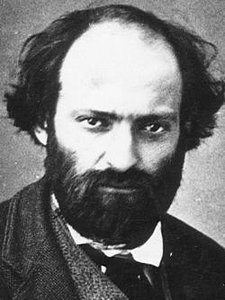
Paul Cézanne
1839 - 1906 , Francia
Datos clave
- Artistas Que Influyeron:
- Paul Gauguin
- Georges Seurat
- Estilo Artístico: Postimpresionismo
- Fecha De Muerte: Octubre 22, 1906
- Fecha De Nacimiento: 19 de enero de 1839
- Influenciado A Artistas:
- Pablo Picasso
- Henri Matisse
- Georges Braque
- Lugar De Nacimiento: Aix-en-Provence, Francia
- Nacionalidad: Francés
- Nombre Completo: Paul Cézanne
- Obras Notables:
- El estanque de Jas de Bouffan
- Retrato de Émile Zola
- Bosque
- Grandes Bañistas
Artículos relacionados
Capturando la Luz Efímera: La Pintura Paisajística Impresionista y su Legado
Descubre la magia del Impresionismo y su revolucionaria pintura paisajística. Análisis de Monet, técnicas innovadoras y el legado de este movimiento artístico clave. ¡Explora obras maestras y sumérgete en la luz!
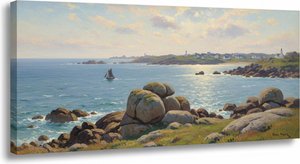
Henri Moret: Capturing the Essence of Brittany's Light – A Study in Post-Impressionist Landscape Painting
Explore the captivating landscapes of Henri Moret, a master of Post-Impressionism. Discover his unique style, key works, and legacy in our expert guide. Learn about collecting Moret's art & its investment potential.

Los 10 Maestros del Paisaje Impresionista: Obras que Cambiaron la Historia del Arte
Descubre los 10 lienzos impresionistas que revolucionaron el arte. Explora la historia de Monet, Van Gogh y Renoir, sus técnicas y colores vibrantes. Encuentra reproducciones de alta calidad para decorar tu hogar en OriginalUniqueArt.com
Capturando la Luz Fugaz: El Legado Duradero de la Pintura Paisajística Impresionista
Descubre el legado del Impresionismo con OriginalUniqueArt. Explora la historia, técnica y obras maestras de Monet, Renoir y más. Encuentra reproducciones de arte exclusivas para decorar tu hogar.

Los 10 Maestros del Paisaje Impresionista: Obras que Cambiaron la Historia del Arte
Descubre los 10 lienzos impresionistas que revolucionaron el arte. Monet, Renoir y más… Explora la historia, técnica y belleza de cada obra maestra. Encuentra reproducciones de alta calidad para tu hogar en OriginalUniqueArt.com.