Vista previa
 Compartir
 Compartir
 Ver detalles

 Descargar
 Ver artículos similares
 Radiografía
 Presentación de diapositivas
 Estadísticas
Preparation for the Funeral
 Oil
Oil- WallArt
- Romanticism
 1869
1869- 19th Century
 49.0 x 80.0 cm
 Leer más
Giclée / Impresión de arte
Impresiones giclée o en lienzo de calidad de museo con producción rápida y opciones de acabado flexibles. ( Encargar reproducción pintada a mano Ver versión en imagen digital)




P118B $10

P118H $10

P118W $10

P438Z $10

P508JH $12

P508YH $12

P805H $10

P805Z $10

P919BZ $10

P919G $10

P919XJ $10

P959ZH $10

P968JZ $12

W106C $8

W218G $10

W218JH $8

W218Y $10

W307PJ $10

W316G $10

W316PJ $8

W316Y $10

W398PJ $8

W4111J $10

W500HY $15

W500JH $15

W692G $12

W849H $8

W940BG $15

W953PJ $8




Elija entre nuestros tamaños predefinidos que respetan las proporciones originales de la obra.

Puede introducir sus propias dimensiones para adaptarse a un marco o espacio específico. Si el tamaño seleccionado no coincide con las proporciones de la imagen original, recortaremos la obra de arte o extenderemos la imagen con un borde con efecto espejo o de color sólido. Se enviará una maqueta digital para su aprobación antes de que comience la producción.
Tenga en cuenta que la vista previa en pantalla no refleja el recorte o la extensión real. Solo la maqueta mostrará con precisión la composición final.
Aunque existen tamaños personalizados, recomendamos seleccionar una dimensión de la lista predefinida para preservar las proporciones originales.
Envío a todo el mundo () en 2 semanas en lugar de las 4/5 semanas estándar. (19 septiembre)

Envío exprés gratuito a todo el mundo

Lienzo de lino de alta calidad

Seguro de envío completo

Garantía de reembolso de impuestos aduaneros

Garantía de fidelidad cromática exacta

Política de devolución de 100 días (solo por defectos)

Garantía de devolución del 100% del dinero

Oferta por volumen
 La opción de vidrio solo está disponible en tamaños inferiores a 110 cm.

Preparation for the Funeral
Giclée / Impresión de arte
Tamaño de la reproducción
-


Precio total
$ 80
A Moment Frozen in Twilight: The Somber Resonance of Cézanne’s Vision
In the quiet, shadowed corners of art history, few works possess the haunting stillness found in Paul Cézanne's 1869 masterpiece, "Preparation for the Funeral." This is not merely a depiction of three figures gathered in a dimly lit room; it is an evocative embodiment of Romanticism’s deepest preoccupation with emotion, mortality, and the weight of contemplation. Created during a formative period of Cézanne’s life—a time defined by intense experimentation as he grappled with the burgeoning light of Impressionism—the painting stands as a profound testament to his commitment to capturing more than just visual reality. He sought to paint how a moment felt, freezing a sense of grief and remembrance in a way that continues to captivate the modern soul.
The atmosphere of the piece is one of heavy, palpable silence. As the viewer enters this space, they are met with a monochrome palette dominated by somber shades of grey and black. This deliberate stylistic choice strips away the distractions of vibrant color, forcing an intimate confrontation with the subject's gravity. The room feels thick with memory, where the very air seems to vibrate with a latent, mournful energy. For collectors and decorators alike, this painting offers a profound sense of depth, making it a centerpiece that commands attention through its quiet, psychological intensity rather than through loud or garish displays.
The Architecture of Grief: Technique and Composition
Cézanne’s approach to the canvas in this work reveals a revolutionary departure from traditional academic standards. Eschewing the shimmering, ephemeral surfaces favored by his Impressionist contemporaries, he instead embraced a more tactile and structural language. He employed thick impasto brushstrokes, layering paint with a physical deliberate force that creates textured surfaces. This technique does not just represent objects; it gives them a sculptural presence, making the grief within the room feel as tangible as the canvas itself.
The composition further challenges the viewer's perception of space. Cézanne avoids traditional linear perspective, opting instead to flatten the scene and present figures and objects as geometric forms. This fragmentation reflects a deeper exploration of subjective experience—a way of breaking down reality to find its essential truth. The arrangement of the three seated figures creates a balanced yet tension-filled triangle, drawing the eye through the gloom. For those looking to integrate such a piece into an interior design scheme, its structural integrity and monochromatic elegance allow it to anchor a room, providing a sophisticated focal point that complements both minimalist and classical aesthetics.
Symbolic Vessels and Eternal Reflections
Beyond the figures themselves, the painting is rich with symbolic weight, particularly in the subtle placement of everyday objects. The two bowls positioned within the scene serve as much more than mere household items; they act as vessels of sorrow, metaphorically holding not just liquid, but the heavy accumulation of memories and unspoken emotions. Their strategic placement guides the viewer's gaze across the darkened landscape of the room, connecting the human subjects to the inanimate objects that witness their mourning.
A single cup, tucked near the top right corner, adds a final note of quietude to the composition. Every element in "Preparation for the Funeral" is a deliberate part of a larger narrative regarding the cycle of life and the permanence of loss. To own a reproduction of this work is to possess a fragment of art history's most transformative era—a bridge between the emotional depth of Romanticism and the structural revolution of Post-Impressionism. It is an invitation to pause, to reflect, and to find beauty in the profound stillness of the human condition.
Biografía del artista
vida temprana e influencias
paul cézanne, un pintor postimpresionista francés, nació el 19 de enero de 1839 en Aix-en-Provence, Francia. Su vida temprana estuvo marcada por una fuerte conexión con la empresa bancaria de su familia, lo que le proporcionó seguridad financiera. Esto le permitió concentrarse en sus aspiraciones artísticas sin la carga del estrés financiero. les nabis, neoimpresionismo y simbolismo influyeron en el trabajo temprano de Cézanne, que se caracterizó por su énfasis en las formas geométricas y una paleta de colores limitada. Su interés en las obras de paul gauguin y georges seurat fortaleció aún más su estilo postimpresionista.estilo artístico y técnicas
El uso innovador de Cézanne de los planos de color y pequeños trazos repetitivos creó campos complejos que transmitían su intenso estudio de los temas. Su enfoque a menudo exploratorio del arte condujo al desarrollo de un nuevo lenguaje pictórico, que enfatizaba la estructura subyacente de los objetos en una composición.- características clave:
- formas geométricas y facetado
- paleta de colores reducida
- énfasis en la esencia constructiva del mundo físico
- múltiples perspectivas y simultaneidad
- obras influyentes:
- el estanque de jas de bouffan (1880)
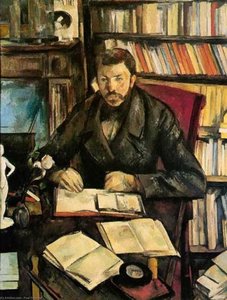
- retrato de emile zola (1866)
- bosque (1892)
- museos que exhiben el trabajo de Cézanne:
- museo marmottan monet en París, Francia
- el museo de bellas artes en Houston, Estados Unidos
legado e impacto
El trabajo pionero de Cézanne en el postimpresionismo allanó el camino para diversos movimientos vanguardistas, incluyendo cubismo, fauvismo y surrealismo. Su influencia se puede ver en las obras de pablo picasso, henri matisse y georges braque. El legado de Cézanne continúa inspirando a artistas y entusiastas del arte por igual, consolidando su lugar como una figura fundamental en la historia del arte moderno.- movimientos artísticos relacionados:
- vea las obras de Cézanne:
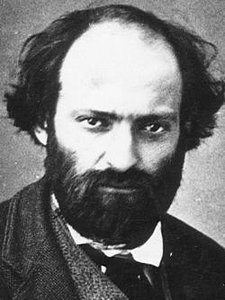
Paul Cézanne
1839 - 1906 , Francia
Datos clave
- Artistas Que Influyeron:
- Paul Gauguin
- Georges Seurat
- Estilo Artístico: Postimpresionismo
- Fecha De Muerte: Octubre 22, 1906
- Fecha De Nacimiento: 19 de enero de 1839
- Influenciado A Artistas:
- Pablo Picasso
- Henri Matisse
- Georges Braque
- Lugar De Nacimiento: Aix-en-Provence, Francia
- Nacionalidad: Francés
- Nombre Completo: Paul Cézanne
- Obras Notables:
- El estanque de Jas de Bouffan
- Retrato de Émile Zola
- Bosque
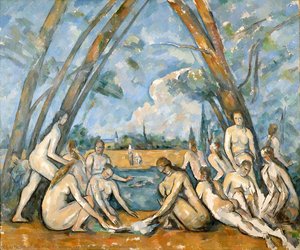
- Grandes Bañistas
Artículos relacionados

Blanco Sublime: Los 10 Cuadros Más Famosos Dominados por la Luz y el Color
Descubre los 10 cuadros blancos más emblemáticos de la historia del arte. Explora Monet, Van Gogh y Klimt, y su magistral uso de la luz y el color. Encuentra reproducciones de alta calidad e inspírate para tu decoración en .

The Enduring Legacy of Oil on Canvas: Technique, History & Aesthetic Impact
Explore the rich history & techniques of oil painting – from Renaissance masters to Impressionism. Discover pigments, layering methods, and why this timeless medium endures. Expert insights for artists & art enthusiasts.

Paul Cézanne: Las 25 Obras Maestras que Definieron el Arte Moderno | OriginalUniqueArt
Descubre las 25 obras maestras de Paul Cézanne que revolucionaron el arte moderno. Explora su técnica, inspiración y significado en paisajes, bodegones y retratos. Reproducciones de alta calidad para decorar tu hogar con arte inolvidable. ¡Explora la colección completa en OriginalUniqueArt.com!

Las 10 Pinturas Más Famosas Dominadas por el Negro | Arte y Decoración
Descubre las 10 pinturas más impactantes dominadas por el negro. Explora obras maestras de Rembrandt, Goya y Rothko, su historia y significado. Encuentra reproducciones de arte exclusivas para transformar tu hogar en .

El Arte del Blanco y Negro: Transforme sus Recuerdos en Obras Maestras Eternas con la Elegancia del Claroscuro
Descubra la elegancia del blanco y negro con OriginalUniqueArt. Transformamos sus recuerdos en lienzos de óleo hechos a mano, utilizando técnicas maestras como el claroscuro para crear legados eternos. Calidad museística, personalización exclusiva y envío gratuito mundial.