Ver en contexto
 Enviar
 Compartir
 Detalles

 Descargar
 Similares
 Radiografía
 Presentación de diapositivas
Jas de Bouffan


 Ver más
Giclée / Impresión de arte
Impresiones giclée o en lienzo de calidad de museo con producción rápida y opciones de acabado flexibles. ( Comprar pintura hecha a mano Comprar imagen)




P118B $10

P118H $10

P118W $10

P438Z $10

P508JH $12

P508YH $12

P805H $10

P805Z $10

P919BZ $10

P919G $10

P919XJ $10

P959ZH $10

P968JZ $12

W106C $8

W218G $10

W218JH $8

W218Y $10

W307PJ $10

W316G $10

W316PJ $8

W316Y $10

W398PJ $8

W4111J $10

W500HY $15

W500JH $15

W692G $12

W849H $8

W940BG $15

W953PJ $8




Elija entre nuestros tamaños predefinidos que respetan las proporciones originales de la obra.

Puede introducir sus propias dimensiones para adaptarse a un marco o espacio específico. Si el tamaño seleccionado no coincide con las proporciones de la imagen original, recortaremos la obra de arte o extenderemos la imagen con un borde con efecto espejo o de color sólido. Se enviará una maqueta digital para su aprobación antes de que comience la producción.
Tenga en cuenta que la vista previa en pantalla no refleja el recorte o la extensión real. Solo la maqueta mostrará con precisión la composición final.
Aunque existen tamaños personalizados, recomendamos seleccionar una dimensión de la lista predefinida para preservar las proporciones originales.
Envío a todo el mundo () en 2 semanas en lugar de las 4/5 semanas estándar. (27 agosto)

Envío exprés gratuito a todo el mundo

Lienzo de lino de alta calidad

Seguro de envío total

Garantía de reembolso de impuestos aduaneros

Garantía de fidelidad cromática exacta

Política de devolución de 60 días (solo por defectos)

Garantía de devolución del 100% del dinero

Descuento por cantidad
 La opción de vidrio solo está disponible en tamaños inferiores a 110 cm.

Jas de Bouffan
Giclée / Impresión de arte
Dimensiones de la reproducción
-


Precio total final
$ 80
Descripción de la pieza
A Moment Frozen in Light: The Soul of Cézanne’s Jas de Bouffan
In the quiet corners of Provence, where the sun drapes itself over ancient stone and verdant foliage, Paul Cézanne found more than just a landscape; he found a sanctuary for his revolutionary vision. His 1887 masterpiece, Jas de Bouffan, is far more than a mere depiction of a farmhouse nestled among trees. It is an invitation to witness the very moment where Impressionism begins to dissolve into the structured permanence of Modernism. To gaze upon this canvas is to step into a world where light does not just illuminate objects but seems to breathe life into them, creating an ethereal glow that softens the edges of reality and invites a profound sense of tranquility.
The painting captures a serene Provençal scene, centered around a modest stone building that serves as an anchor for the composition. Surrounded by a lush tapestry of greenery, the architecture is framed by the organic rhythms of leaves and branches. There is a deliberate, rhythmic quality to the way Cézanne arranges these elements, creating a sense of depth that feels both intimate and expansive. For the collector or interior designer, this piece offers a unique balance; it possesses the calming, pastoral charm of a classical landscape while maintaining a sophisticated, avant-garde edge that commands attention in any curated space.
The Architecture of Perception: Technique and Texture
What distinguishes Jas de Bouffan from the fleeting, ephemeral sketches of his contemporaries is Cézanne’s relentless pursuit of structure. While he embraced the soft, diffused light characteristic of an overcast morning, he eschewed the meticulous, photographic detail of traditional realism. Instead, he utilized a bold, impasto technique, applying oil paint with a visible, expressive hand. These thick, palpable ridges of pigment do not merely represent leaves or stone; they sculpt them. The texture of the canvas becomes a tactile experience, where every brushstroke contributes to the underlying geometry of the natural world.
This approach was radical for its time, often dismissed by critics as unfinished or crude, yet it laid the essential groundwork for Cubism. Cézanne was not interested in the transient flicker of light alone; he sought to capture the essence of form—the way a tree branch or a stone wall holds its place in the universe. This marriage of soft atmospheric perspective and heavy, structural brushwork creates a fascinating tension. The muted color palette, punctuated by subtle hints of vibrancy, ensures that the painting remains harmonious and timeless, making it an exquisite choice for those looking to add a layer of intellectual depth and textural richness to their home decor.
A Legacy of Tranquility and Transformation
Beyond its technical brilliance, Jas de Bouffan resonates on an emotional level, evoking a deep connection to the earth and a sense of enduring peace. The painting serves as a bridge between eras, standing at the crossroads of the nineteenth and twentieth centuries. It carries the DNA of the Impressionist movement—its focus on light and atmosphere—but injects it with a new, monumental stability. This is art that does not demand attention through loud colors or chaotic movement, but rather through its quiet, persistent strength.
For those seeking to surround themselves with works that inspire contemplation, this reproduction of Cézanne’s vision offers an unparalleled opportunity. It is a piece that speaks of the beauty found in the familiar and the profound complexity hidden within the simple. Whether placed in a sun-drenched studio or a sophisticated contemporary living room, Jas de Bouffan acts as a window into a world where nature and art are inextricably linked, offering a permanent sense of grace and a timeless connection to the masters of French Post-Impressionism.
Biografía del artista
vida temprana e influencias
paul cézanne, un pintor postimpresionista francés, nació el 19 de enero de 1839 en Aix-en-Provence, Francia. Su vida temprana estuvo marcada por una fuerte conexión con la empresa bancaria de su familia, lo que le proporcionó seguridad financiera. Esto le permitió concentrarse en sus aspiraciones artísticas sin la carga del estrés financiero. les nabis, neoimpresionismo y simbolismo influyeron en el trabajo temprano de Cézanne, que se caracterizó por su énfasis en las formas geométricas y una paleta de colores limitada. Su interés en las obras de paul gauguin y georges seurat fortaleció aún más su estilo postimpresionista.estilo artístico y técnicas
El uso innovador de Cézanne de los planos de color y pequeños trazos repetitivos creó campos complejos que transmitían su intenso estudio de los temas. Su enfoque a menudo exploratorio del arte condujo al desarrollo de un nuevo lenguaje pictórico, que enfatizaba la estructura subyacente de los objetos en una composición.- características clave:
- formas geométricas y facetado
- paleta de colores reducida
- énfasis en la esencia constructiva del mundo físico
- múltiples perspectivas y simultaneidad
- obras influyentes:
- el estanque de jas de bouffan (1880)
- retrato de emile zola (1866)
- bosque (1892)
- museos que exhiben el trabajo de Cézanne:
- museo marmottan monet en París, Francia
- el museo de bellas artes en Houston, Estados Unidos
legado e impacto
El trabajo pionero de Cézanne en el postimpresionismo allanó el camino para diversos movimientos vanguardistas, incluyendo cubismo, fauvismo y surrealismo. Su influencia se puede ver en las obras de pablo picasso, henri matisse y georges braque. El legado de Cézanne continúa inspirando a artistas y entusiastas del arte por igual, consolidando su lugar como una figura fundamental en la historia del arte moderno.- movimientos artísticos relacionados:
- vea las obras de Cézanne:
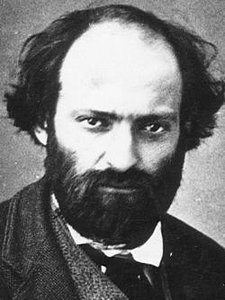
Paul Cézanne
1839 - 1906 , Francia
Datos clave
- Artistas Que Influyeron:
- Paul Gauguin
- Georges Seurat
- Estilo Artístico: Postimpresionismo
- Fecha De Muerte: Octubre 22, 1906
- Fecha De Nacimiento: 19 de enero de 1839
- Influenciado A Artistas:
- Pablo Picasso
- Henri Matisse
- Georges Braque
- Lugar De Nacimiento: Aix-en-Provence, Francia
- Nacionalidad: Francés
- Nombre Completo: Paul Cézanne
- Obras Notables:
- El estanque de Jas de Bouffan
- Retrato de Émile Zola
- Bosque
- Grandes Bañistas
Artículos relacionados

Paul Cézanne: Las 25 Obras Maestras que Definieron el Arte Moderno | OriginalUniqueArt
Descubre las 25 obras maestras de Paul Cézanne que revolucionaron el arte moderno. Explora su técnica, inspiración y significado en paisajes, bodegones y retratos. Reproducciones de alta calidad para decorar tu hogar con arte inolvidable. ¡Explora la colección completa en OriginalUniqueArt.com!
Paul Klee: Las 25 Obras Maestras que Definen un Genio del Arte Moderno | OriginalUniqueArt
Descubre las 25 obras maestras de Paul Klee, el genio del arte moderno. Explora su expresionismo único, composiciones abstractas y vibrantes paletas de colores. Reproducciones de alta calidad y decoración con arte en OriginalUniqueArt.com.
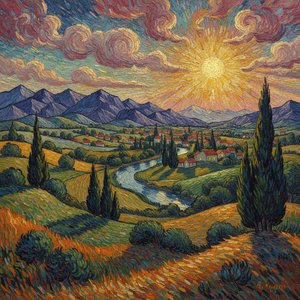
Beyond Impressionism: The Emotional Depth and Vibrant Evolution of Post-Impressionist Landscapes
Explore the profound evolution of Post-Impressionist landscapes. From Van Gogh's emotional brushwork to Cézanne's structural mastery, discover how these visionaries redefined art history through color and form in this expert guide for fine art enthusiasts.

Los 10 Maestros del Paisaje Impresionista: Obras que Cambiaron la Historia del Arte
Descubre los 10 lienzos impresionistas que revolucionaron el arte. Monet, Renoir y más… Explora la historia, técnica y belleza de cada obra maestra. Encuentra reproducciones de alta calidad para tu hogar en OriginalUniqueArt.com.
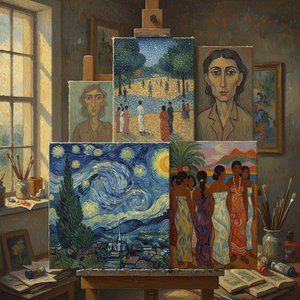
Más Allá del Impresionismo: Profundizando en la Emoción y el Simbolismo Postimpresionista
Descubre la profundidad emocional y el simbolismo del Postimpresionismo con OriginalUniqueArt. Análisis experto de Cézanne, Van Gogh, Gauguin y más. Explora la historia y el legado de este fascinante movimiento artístico.