Ver en contexto
 Enviar
 Compartir
 Detalles
 Guía
Guía

 Descargar
 Similares
 Radiografía
 Presentación de diapositivas
 Q&A
Q&A Estadísticas
Flores en un jarrón


 Ver más
Giclée / Impresión de arte
Impresiones giclée o en lienzo de calidad de museo con producción rápida y opciones de acabado flexibles. ( Comprar pintura hecha a mano Cambiar a imagen digital)




P118B €10

P118H €10

P118W €10

P438Z €10

P508JH €12

P508YH €12

P805H €10

P805Z €10

P919BZ €10

P919G €10

P919XJ €10

P959ZH €10

P968JZ €12

W106C €8

W218G €10

W218JH €8

W218Y €10

W307PJ €10

W316G €10

W316PJ €8

W316Y €10

W398PJ €8

W4111J €10

W500HY €15

W500JH €15

W692G €12

W849H €8

W940BG €15

W953PJ €8




Elija entre nuestros tamaños predefinidos que respetan las proporciones originales de la obra.

Introduzca el ancho y el alto que necesite para adaptarse a su marco o pared. Una impresión solo puede recortarse, nunca hacerse más grande que la imagen original, por lo que un tamaño con una forma distinta perderá parte de la obra. Le enviaremos una maqueta digital para su aprobación antes de realizar cualquier impresión. La imagen que se muestra en esta página no refleja el recorte real; solo la maqueta lo hace.
Envío a todo el mundo () en 2 semanas en lugar de las 4/5 semanas estándar. (2 noviembre)

Envío exprés gratuito a todo el mundo

Lienzo de lino de alta calidad

Seguro de envío total

Garantía de reembolso de aranceles aduaneros

Garantía de fidelidad cromática exacta

Política de devolución de 100 días (solo por defectos)

Garantía de devolución del 100% del dinero

Descuento por cantidad
 La opción de vidrio solo está disponible en tamaños inferiores a 110 cm.

Flores en un jarrón
Giclée / Impresión de arte
Dimensiones de la reproducción
-


Precio total final
€ 71
The Painting and Its Artist
Paul Cézanne, a French painter, is renowned for his pivotal role in the transition from 19th-century Impressionism to early 20th-century Cubism. His work, characterized by repetitive brushstrokes and an emphasis on structure, laid the groundwork for avant-garde movements. “Flowers in a Blue Vase,” created in 1875, is one of his notable works that exemplify his unique style. It’s considered a cornerstone of Post-Impressionism—a movement born from dissatisfaction with Impressionist aesthetics and fueled by a desire to explore deeper artistic concepts. Cézanne's meticulous observation of nature combined with an innovative approach to representation profoundly influenced subsequent generations of artists.Artistic Style and Technique
This painting is a quintessential example of Post-Impressionism, a movement that emerged as a reaction against the naturalistic depiction of light and color in Impressionist art. Cézanne’s use of planes of color and small brushstrokes creates complex fields, giving the painting a dynamic and expressive quality. Unlike Impressionists who sought to capture fleeting moments of visual sensation, Cézanne prioritized conveying underlying geometric forms—the vase itself is rendered as a series of interlocking cubes and cylinders—a technique that foreshadowed Cubism’s fragmentation of perspective. The artist's deliberate layering of paint creates textural richness and contributes to the overall sense of solidity and permanence.Historical Context
In 1875, Cézanne was still developing his style. His early works were influenced by Romanticism and Realism, but he soon moved towards a more innovative approach. This painting reflects his intense study of subjects and his emphasis on the underlying structure of objects. Cézanne’s artistic vision coincided with a period of intellectual ferment in France—the rise of Symbolism and Nietzsche's critique of traditional morality challenged prevailing cultural assumptions. The Impressionist movement had already begun to lose its momentum, paving the way for artists like Cézanne to experiment with new forms of expression.Reception and Legacy
Initially, Cézanne’s work was met with incomprehension and ridicule. Critics dismissed it as crude and lacking in finesse, arguing that it abandoned Impressionist ideals of beauty and spontaneity. However, fellow artists like Camille Pissarro and art dealer Ambroise Vollard recognized his genius. They championed Cézanne's vision and defended his uncompromising pursuit of artistic truth—a stance that contrasted sharply with the prevailing aesthetic sensibilities of the time. The first solo exhibition of his works in 1895 at Vollard’s gallery marked a turning point in his career, attracting considerable attention from collectors and establishing him as a leading figure in the burgeoning avant-garde scene. Henri Matisse and Pablo Picasso acknowledged Cézanne as “the father of us all,” recognizing his profound influence on their own artistic development.Current Location and Significance
“Flowers in a Blue Vase” is housed at the State Hermitage Museum in Russia, a testament to its enduring importance. This painting, alongside others by Cézanne—particularly *Mont Sainte-Victoire*—continues to inspire artists and art enthusiasts worldwide. Its exploration of form and color remains remarkably relevant today, demonstrating the power of art to transcend time and communicate universal human emotions. For those interested in exploring more of Cézanne’s works, Paul Cézanne: Flowers in a Blue Vase and Paul Cézanne: Still Life with Curtain and Flowered Pitcher are available at OriginalUniqueArt.com – offering exceptional reproductions that capture the essence of this seminal masterpiece.- Post-Impressionism Art Movement: A predominantly French movement that developed roughly between 1886 and 1905, characterized by a reaction against Impressionists’ concern for the naturalistic depiction of light and color. Learn more about Post-Impressionism.
- Paul Cézanne's Biography: A French painter who introduced new modes of representation and influenced avant-garde artistic movements. Read more about Paul Cézanne on Wikipedia.
- History of Art: The history of art focuses on objects made by humans for various purposes, with a primary emphasis on their aesthetic visual form. Explore the History of Art on Wikipedia.
This article provides an in-depth look at “Flowers in a Blue Vase” by Paul Cézanne, highlighting its significance within the Post-Impressionist movement and its enduring influence on modern art.
Preguntas y respuestas
¿Cómo se combinan la técnica y el movimiento en "Flores en un jarrón"?
En "Flores en un jarrón", la técnica de Óleo sobre lienzo se funde con el movimiento Post-Impressionism.
¿En qué técnica está ejecutada "Flores en un jarrón" de Paul Cézanne?
La técnica de "Flores en un jarrón" de Paul Cézanne es Óleo sobre lienzo. Las reproducciones pretenden recrear la apariencia de esta técnica.
¿Los colores de "Flores en un jarrón" son intensos o suaves?
Los colores en "Flores en un jarrón" de Paul Cézanne tienen una intensidad Vívido.
Biografía del artista
vida temprana e influencias
paul cézanne, un pintor postimpresionista francés, nació el 19 de enero de 1839 en Aix-en-Provence, Francia. Su vida temprana estuvo marcada por una fuerte conexión con la empresa bancaria de su familia, lo que le proporcionó seguridad financiera. Esto le permitió concentrarse en sus aspiraciones artísticas sin la carga del estrés financiero. les nabis, neoimpresionismo y simbolismo influyeron en el trabajo temprano de Cézanne, que se caracterizó por su énfasis en las formas geométricas y una paleta de colores limitada. Su interés en las obras de paul gauguin y georges seurat fortaleció aún más su estilo postimpresionista.estilo artístico y técnicas
El uso innovador de Cézanne de los planos de color y pequeños trazos repetitivos creó campos complejos que transmitían su intenso estudio de los temas. Su enfoque a menudo exploratorio del arte condujo al desarrollo de un nuevo lenguaje pictórico, que enfatizaba la estructura subyacente de los objetos en una composición.- características clave:
- formas geométricas y facetado
- paleta de colores reducida
- énfasis en la esencia constructiva del mundo físico
- múltiples perspectivas y simultaneidad
- obras influyentes:
- el estanque de jas de bouffan (1880)
- retrato de emile zola (1866)
- bosque (1892)
- museos que exhiben el trabajo de Cézanne:
- museo marmottan monet en París, Francia
- el museo de bellas artes en Houston, Estados Unidos
legado e impacto
El trabajo pionero de Cézanne en el postimpresionismo allanó el camino para diversos movimientos vanguardistas, incluyendo cubismo, fauvismo y surrealismo. Su influencia se puede ver en las obras de pablo picasso, henri matisse y georges braque. El legado de Cézanne continúa inspirando a artistas y entusiastas del arte por igual, consolidando su lugar como una figura fundamental en la historia del arte moderno.- movimientos artísticos relacionados:
- vea las obras de Cézanne:
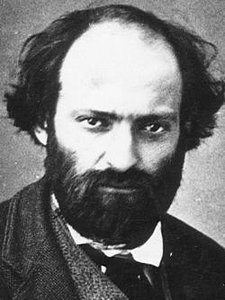
Paul Cézanne
1839 - 1906 , Francia
Datos clave
- Artistas Que Influyeron:
- Paul Gauguin
- Georges Seurat
- Estilo Artístico: Postimpresionismo
- Fecha De Muerte: Octubre 22, 1906
- Fecha De Nacimiento: 19 de enero de 1839
- Influenciado A Artistas:
- Pablo Picasso
- Henri Matisse
- Georges Braque
- Lugar De Nacimiento: Aix-en-Provence, Francia
- Nacionalidad: Francés
- Nombre Completo: Paul Cézanne
- Obras Notables:
- El estanque de Jas de Bouffan
- Retrato de Émile Zola
- Bosque
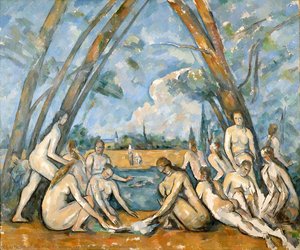
- Grandes Bañistas
Artículos relacionados
Más Allá del Impresionismo: Profundizando en la Emoción y el Simbolismo Postimpresionista
Descubre la profundidad emocional y el simbolismo del Postimpresionismo con OriginalUniqueArt. Análisis experto de Cézanne, Van Gogh, Gauguin y más. Explora la historia y el legado de este fascinante movimiento artístico.

Dominando la Abstracción: Las 25 Obras Maestras de Paul Klee
Explora las 25 obras maestras de Paul Klee y su ritmo abstracto. Encuentra reproducciones de museo en OriginalUniqueArt.com.
Beyond Impressionism: Exploring Emotional Depth & Formal Innovation in Post-Impressionist Art
Explore the profound emotional depth & formal innovations of Post-Impressionism with our expert guide. Discover Cézanne, Van Gogh, Gauguin & more. Learn about art history, collecting, and investing in this pivotal movement.

Maestría y Forma: Las 25 Mejores Obras de Paul Cézanne
Explora las 25 obras maestras de Paul Cézanne y su legado postimpresionista. ¡Descubre toda la colección en OriginalUniqueArt.com!

Impresionismo: 10 Obras Maestras que Capturan la Luz y el Momento
Descubre 10 obras maestras del impresionismo de Monet, Renoir y Degas. Explora la luz, el color y las historias detrás de estos icónicos cuadros. Reproducciones de arte en OriginalUniqueArt.com para decorar tu hogar con estilo.