Ver en contexto
 Enviar
 Compartir
 Detalles

 Descargar
 Similares
 Radiografía
 Presentación de diapositivas
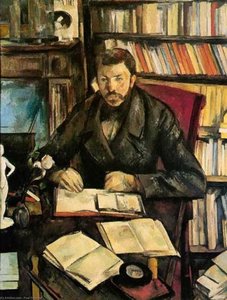
El Chico del Chaleco Rojo


 Ver más
Giclée / Impresión de arte
Impresiones giclée o en lienzo de calidad de museo con producción rápida y opciones de acabado flexibles. ( Comprar pintura hecha a mano Comprar imagen)




P118B $10

P118H $10

P118W $10

P438Z $10

P508JH $12

P508YH $12

P805H $10

P805Z $10

P919BZ $10

P919G $10

P919XJ $10

P959ZH $10

P968JZ $12

W106C $8

W218G $10

W218JH $8

W218Y $10

W307PJ $10

W316G $10

W316PJ $8

W316Y $10

W398PJ $8

W4111J $10

W500HY $15

W500JH $15

W692G $12

W849H $8

W940BG $15

W953PJ $8




Elija entre nuestros tamaños predefinidos que respetan las proporciones originales de la obra.

Puede introducir sus propias dimensiones para adaptarse a un marco o espacio específico. Si el tamaño seleccionado no coincide con las proporciones de la imagen original, recortaremos la obra de arte o extenderemos la imagen con un borde con efecto espejo o de color sólido. Se enviará una maqueta digital para su aprobación antes de que comience la producción.
Tenga en cuenta que la vista previa en pantalla no refleja el recorte o la extensión real. Solo la maqueta mostrará con precisión la composición final.
Aunque existen tamaños personalizados, recomendamos seleccionar una dimensión de la lista predefinida para preservar las proporciones originales.
Envío a todo el mundo () en 2 semanas en lugar de las 4/5 semanas estándar. (26 agosto)

Envío exprés gratuito a todo el mundo

Lienzo de lino de alta calidad

Seguro de envío total

Garantía de reembolso de impuestos aduaneros

Garantía de fidelidad cromática exacta

Política de devolución de 60 días (solo por defectos)

Garantía de devolución del 100% del dinero

Descuento por cantidad
 La opción de vidrio solo está disponible en tamaños inferiores a 110 cm.

El Chico del Chaleco Rojo
Giclée / Impresión de arte
Dimensiones de la reproducción
-


Precio total final
$ 80
Descripción de la pieza
Paul Cézanne’s “Boy in a Red Vest”: A Window Into Modern Perception
Paul Cézanne's "Boy in a Red Vest," painted in 1889, isn’t merely a portrait; it’s a carefully constructed meditation on space, form, and the very act of seeing. This work, housed within the Foundation E.G. Bührle in Zurich, stands as a pivotal bridge between the Impressionist past and the nascent Cubism that would soon redefine modern art. Cézanne, already a seasoned artist by this point, wasn’t interested in simply replicating reality; he sought to capture its essence—the way light interacts with objects, how they exist within their environment, and ultimately, how we perceive them.
The subject himself – an Italian boy named Michelangelo di Rosa – is presented with a remarkable degree of stillness. He’s seated, his head resting thoughtfully on his hand, an expression that hints at both melancholy and quiet contemplation. Yet, this apparent passivity belies the dynamic energy woven into the painting's structure. Cézanne employs a technique he would later refine—the use of flattened planes of color and small, exploratory brushstrokes. These aren’t blended or dissolved; instead, they are deliberately placed to build up complex fields of tone and texture. Notice how the red of his waistcoat isn’t a single hue but rather a mosaic of crimson, pink, and even hints of violet—a testament to Cézanne’s fascination with color as an independent element.
The Geometry of Emotion
What truly distinguishes “Boy in a Red Vest” is its masterful manipulation of perspective. Cézanne abandons the traditional single-point perspective favored by academic art, instead layering multiple viewpoints within a single image. The background, dominated by a deep green curtain, isn’t rendered as a receding space but rather as a series of intersecting planes—a deliberate fracturing of depth that challenges our conventional understanding of spatial relationships. This geometric approach wasn’t simply an aesthetic choice; it reflected Cézanne’s belief that art should capture the underlying structure of objects, independent of their appearance to the eye. The boy himself seems to occupy this fragmented space, his form subtly distorted and reconfigured by the surrounding geometry.
The inclusion of two partially visible figures in the background—a woman on the left and a man on the right—adds another layer of complexity. They’re not fully integrated into the scene; rather, they appear as ghostly presences, hinting at a domestic setting but ultimately serving to further emphasize the boy’s isolation and introspection. This layering of viewpoints, combined with the muted color palette, creates an atmosphere of quiet mystery, inviting the viewer to actively participate in constructing meaning.
A Legacy Forged in Innovation
“Boy in a Red Vest” was painted during a period of intense experimentation for Cézanne—a time when he was refining his post-Impressionist style and pushing the boundaries of artistic representation. Initially, his work faced criticism and ridicule from contemporary art critics who struggled to comprehend his unconventional approach. However, figures like Camille Pissarro and Ambroise Vollard recognized his genius early on, championing his work and paving the way for its eventual recognition by a wider audience. It’s no accident that Cézanne is often referred to as “the father of us all,” a title bestowed upon him by artists such as Henri Matisse and Pablo Picasso, who acknowledged his profound influence on their own artistic development.
Cézanne’s radical approach to perspective and composition laid the groundwork for movements like Cubism, which sought to deconstruct objects into geometric forms. “Boy in a Red Vest” isn’t just a beautiful painting; it’s a foundational work that embodies the spirit of artistic innovation—a testament to Cézanne’s unwavering commitment to exploring new ways of seeing and representing the world around us. Today, through high-quality reproductions offered by OriginalUniqueArt.com, this captivating masterpiece can be brought into your home, allowing you to experience its timeless beauty and profound insights.
To explore more works by Paul Cézanne and discover a stunning reproduction of “Boy in a Red Vest,” visit OriginalUniqueArt.com.
Biografía del artista
vida temprana e influencias
paul cézanne, un pintor postimpresionista francés, nació el 19 de enero de 1839 en Aix-en-Provence, Francia. Su vida temprana estuvo marcada por una fuerte conexión con la empresa bancaria de su familia, lo que le proporcionó seguridad financiera. Esto le permitió concentrarse en sus aspiraciones artísticas sin la carga del estrés financiero. les nabis, neoimpresionismo y simbolismo influyeron en el trabajo temprano de Cézanne, que se caracterizó por su énfasis en las formas geométricas y una paleta de colores limitada. Su interés en las obras de paul gauguin y georges seurat fortaleció aún más su estilo postimpresionista.estilo artístico y técnicas
El uso innovador de Cézanne de los planos de color y pequeños trazos repetitivos creó campos complejos que transmitían su intenso estudio de los temas. Su enfoque a menudo exploratorio del arte condujo al desarrollo de un nuevo lenguaje pictórico, que enfatizaba la estructura subyacente de los objetos en una composición.- características clave:
- formas geométricas y facetado
- paleta de colores reducida
- énfasis en la esencia constructiva del mundo físico
- múltiples perspectivas y simultaneidad
- obras influyentes:
- el estanque de jas de bouffan (1880)
- retrato de emile zola (1866)
- bosque (1892)
- museos que exhiben el trabajo de Cézanne:
- museo marmottan monet en París, Francia
- el museo de bellas artes en Houston, Estados Unidos
legado e impacto
El trabajo pionero de Cézanne en el postimpresionismo allanó el camino para diversos movimientos vanguardistas, incluyendo cubismo, fauvismo y surrealismo. Su influencia se puede ver en las obras de pablo picasso, henri matisse y georges braque. El legado de Cézanne continúa inspirando a artistas y entusiastas del arte por igual, consolidando su lugar como una figura fundamental en la historia del arte moderno.- movimientos artísticos relacionados:
- vea las obras de Cézanne:
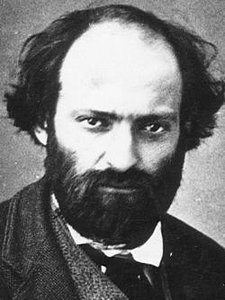
Paul Cézanne
1839 - 1906 , Francia
Datos clave
- Artistas Que Influyeron:
- Paul Gauguin
- Georges Seurat
- Estilo Artístico: Postimpresionismo
- Fecha De Muerte: Octubre 22, 1906
- Fecha De Nacimiento: 19 de enero de 1839
- Influenciado A Artistas:
- Pablo Picasso
- Henri Matisse
- Georges Braque
- Lugar De Nacimiento: Aix-en-Provence, Francia
- Nacionalidad: Francés
- Nombre Completo: Paul Cézanne
- Obras Notables:
- El estanque de Jas de Bouffan
- Retrato de Émile Zola
- Bosque
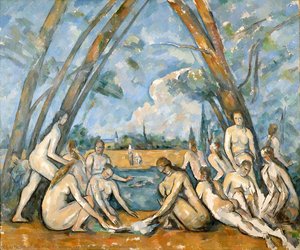
- Grandes Bañistas
Artículos relacionados

Paul Cézanne: Las 25 Obras Maestras que Definieron el Arte Moderno | OriginalUniqueArt
Descubre las 25 obras maestras de Paul Cézanne que revolucionaron el arte moderno. Explora su técnica, inspiración y significado en paisajes, bodegones y retratos. Reproducciones de alta calidad para decorar tu hogar con arte inolvidable. ¡Explora la colección completa en OriginalUniqueArt.com!
Paul Klee: Las 25 Obras Maestras que Definen un Genio del Arte Moderno | OriginalUniqueArt
Descubre las 25 obras maestras de Paul Klee, el genio del arte moderno. Explora su expresionismo único, composiciones abstractas y vibrantes paletas de colores. Reproducciones de alta calidad y decoración con arte en OriginalUniqueArt.com.

Crimson Threads of Narrative: Exploring Symbolism & Representation in Artworks Featuring the Red Dress
Explore the rich symbolism of the red dress in art history! From ancient power displays to iconic portraits like Cézanne’s 'Madame Cezanne', discover the cultural and artistic significance behind this captivating color. Expert analysis & insights.

Impresionismo: 10 Obras Maestras que Capturan la Luz y el Momento
Descubre 10 obras maestras del impresionismo de Monet, Renoir y Degas. Explora la luz, el color y las historias detrás de estos icónicos cuadros. Reproducciones de arte en OriginalUniqueArt.com para decorar tu hogar con estilo.

Más Allá del Impresionismo: Profundizando en la Emoción y el Simbolismo Postimpresionista
Descubre la profundidad emocional y el simbolismo del Postimpresionismo con OriginalUniqueArt. Análisis experto de Cézanne, Van Gogh, Gauguin y más. Explora la historia y el legado de este fascinante movimiento artístico.