Ver en contexto
 Enviar
 Compartir
 Detalles
 Guía
Guía

 Descargar
 Similares
 Radiografía
 Presentación de diapositivas
 Estadísticas
El Chateau de Medan
 Óleo sobre lienzo
- Arte de pared
- Post-Impressionism
 1880
1880- Siglo XIX
 Galería de Arte y Museo Kelvingrove
 Ver más
Reproducción al óleo hecha a mano
Óleo sobre lienzo pintado a mano en el tamaño y marco de su elección, realizado por encargo por nuestros artistas. ( Cambiar a impresiones Cambiar a imagen digital)




P118B €10

P118H €10

P118W €10

P438Z €10

P508JH €12

P508YH €12

P805H €10

P805Z €10

P919BZ €10

P919G €10

P919XJ €10

P959ZH €10

P968JZ €12

W106C €8

W218G €10

W218JH €8

W218Y €10

W307PJ €10

W316G €10

W316PJ €8

W316Y €10

W398PJ €8

W4111J €10

W500HY €15

W500JH €15

W692G €12

W849H €8

W940BG €15

W953PJ €8




Elija entre nuestros tamaños predefinidos que respetan las proporciones originales de la obra.

Indique el ancho y el alto que necesite para adaptarse a su marco o pared. Al tratarse de una obra pintada a mano, si requiere un tamaño con una proporción distinta, el artista puede pintar un poco más alrededor de la imagen o recortarla ligeramente; usted elige. Le enviaremos una maqueta digital para su aprobación antes de comenzar la pintura. La imagen que se muestra en esta página no refleja el resultado real; solo la maqueta lo hace.
Tras realizar el pedido, el equipo de OriginalUniqueArt.com enviará un correo electrónico al cliente para solicitar instrucciones y proporcionarle una vista previa del boceto.
Envío a todo el mundo () en 3-4 semanas en lugar de las 5 semanas estándar. (27 octubre). Sin comprometer la calidad.

Envío exprés gratuito a todo el mundo

Lienzo de lino de alta calidad

Seguro de envío total

Garantía de reembolso de aranceles aduaneros

Garantía de fidelidad cromática exacta

Política de devolución de 100 días (solo por defectos)

Garantía de devolución del 100% del dinero

Descuento por cantidad
 La opción de vidrio solo está disponible en tamaños inferiores a 110 cm.

El Chateau de Medan
Técnica de reproducción
Dimensiones de la reproducción
-


Precio total final
€ 264
Chateau du Medan: A Glimpse of Rural Tranquility by Paul Cézanne
Paul Cézanne’s “Château de Médan,” created in 1880, offers a serene depiction of rural life in France. The painting showcases a picturesque village scene with houses nestled on a hillside, enveloped by lush trees that provide shade and a sense of tranquility. The composition is carefully balanced; the buildings and foliage are harmoniously arranged to capture the essence of the countryside. Cézanne’s masterful use of color and light adds depth and dimensionality to the artwork, drawing the viewer into the scene.
Subject and Composition
Paul Cézanne's "Château de Médan," created in 1880, exemplifies Cézanne’s unique Post-Impressionist style, a pivotal movement that bridged Impressionism and Cubism. Cézanne was renowned for his innovative approach to art, characterized by a focus on geometric forms and a reduction of naturalistic details. In this painting, the simplified shapes of the houses and trees demonstrate this characteristic simplification. His technique involved applying paint in visible brushstrokes, creating texture and movement while subtly building form. The color palette is rich and vibrant, utilizing greens, blues, and reds to create a harmonious balance within the composition.
Artistic Style and Technique
“Château de Médan” exemplifies Cézanne’s distinctive Post-Impressionist style—a movement that sought to transcend Impressionism’s fleeting impressions of light and color, delving into underlying structure and form. Cézanne's method was revolutionary for its time: he abandoned the traditional illusionistic perspective favored by academic painters, opting instead for a flattened picture plane where objects appear to exist simultaneously in multiple viewpoints. This approach is brilliantly realized in “Château de Médan,” where Cézanne employs thick impasto—heavy application of paint—to sculpt the surfaces of the buildings and trees, creating palpable texture and conveying a sense of solidity. The brushstrokes are deliberately visible, contributing to the painting’s expressive quality and capturing the dynamism of nature.
Historical Context and Inspiration
The painting was conceived during Cézanne's formative years in Provence, where he spent summers with Émile Zola’s family. This period profoundly influenced his artistic vision, fostering a fascination with the natural world and inspiring him to explore new ways of representing it. Cézanne drew inspiration from Japanese prints—particularly those depicting landscapes—which championed simplification and asymmetry. He sought to capture not merely what he saw but also how he felt about the scene, conveying an emotional resonance that transcends mere visual representation. The painting reflects the broader artistic currents of the era, signaling a departure from Impressionism’s preoccupation with optical sensations toward a more conceptual engagement with art.
Symbolism and Emotional Impact
“Château de Médan” carries subtle symbolic weight, reflecting Cézanne's humanist concerns. The château represents stability and permanence amidst the transient beauty of the landscape—a visual metaphor for the enduring human spirit. Surrounding it are trees—particularly the towering poplars—which symbolize strength and resilience, mirroring Cézanne’s own unwavering dedication to his craft. The painting evokes a profound sense of peace and contemplation, inviting viewers to immerse themselves in the tranquility of rural Provence. Cézanne's masterful use of color and form creates an emotional tapestry that speaks to our deepest desires for beauty and harmony—a testament to the transformative power of art.
Preguntas y respuestas
¿Qué tipo de pieza es "El Chateau de Medan"?
"El Chateau de Medan" es una obra de Arte de pared.
¿Qué estado de ánimo y emoción se entrelazan en "El Chateau de Medan"?
"El Chateau de Medan" de Paul Cézanne transmite una sensación Sereno dentro de un ambiente general Sereno.
¿Se puede reproducir legalmente "El Chateau de Medan" de Paul Cézanne, que se encuentra en Galería de Arte y Museo Kelvingrove?
"El Chateau de Medan" de Paul Cézanne, conservada en Galería de Arte y Museo Kelvingrove, es en el dominio público: sus derechos de autor han expirado. Este estado determina si se pueden realizar reproducciones de la imagen.
Biografía del artista
vida temprana e influencias
paul cézanne, un pintor postimpresionista francés, nació el 19 de enero de 1839 en Aix-en-Provence, Francia. Su vida temprana estuvo marcada por una fuerte conexión con la empresa bancaria de su familia, lo que le proporcionó seguridad financiera. Esto le permitió concentrarse en sus aspiraciones artísticas sin la carga del estrés financiero. les nabis, neoimpresionismo y simbolismo influyeron en el trabajo temprano de Cézanne, que se caracterizó por su énfasis en las formas geométricas y una paleta de colores limitada. Su interés en las obras de paul gauguin y georges seurat fortaleció aún más su estilo postimpresionista.estilo artístico y técnicas
El uso innovador de Cézanne de los planos de color y pequeños trazos repetitivos creó campos complejos que transmitían su intenso estudio de los temas. Su enfoque a menudo exploratorio del arte condujo al desarrollo de un nuevo lenguaje pictórico, que enfatizaba la estructura subyacente de los objetos en una composición.- características clave:
- formas geométricas y facetado
- paleta de colores reducida
- énfasis en la esencia constructiva del mundo físico
- múltiples perspectivas y simultaneidad
- obras influyentes:
- el estanque de jas de bouffan (1880)
- retrato de emile zola (1866)
- bosque (1892)
- museos que exhiben el trabajo de Cézanne:
- museo marmottan monet en París, Francia
- el museo de bellas artes en Houston, Estados Unidos
legado e impacto
El trabajo pionero de Cézanne en el postimpresionismo allanó el camino para diversos movimientos vanguardistas, incluyendo cubismo, fauvismo y surrealismo. Su influencia se puede ver en las obras de pablo picasso, henri matisse y georges braque. El legado de Cézanne continúa inspirando a artistas y entusiastas del arte por igual, consolidando su lugar como una figura fundamental en la historia del arte moderno.- movimientos artísticos relacionados:
- vea las obras de Cézanne:
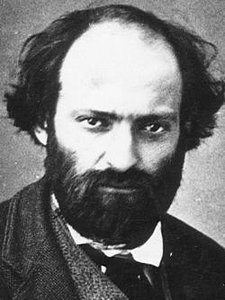
Paul Cézanne
1839 - 1906 , Francia
Datos clave
- Artistas Que Influyeron:
- Paul Gauguin
- Georges Seurat
- Estilo Artístico: Postimpresionismo
- Fecha De Muerte: Octubre 22, 1906
- Fecha De Nacimiento: 19 de enero de 1839
- Influenciado A Artistas:
- Pablo Picasso
- Henri Matisse
- Georges Braque
- Lugar De Nacimiento: Aix-en-Provence, Francia
- Nacionalidad: Francés
- Nombre Completo: Paul Cézanne
- Obras Notables:
- El estanque de Jas de Bouffan
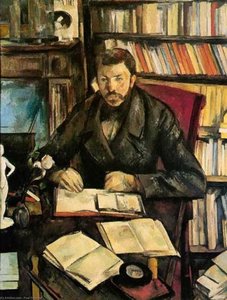
- Retrato de Émile Zola
- Bosque
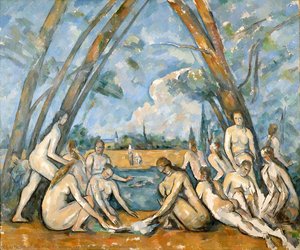
- Grandes Bañistas
Artículos relacionados

Paul Cézanne: Las 25 Obras Maestras que Definieron el Arte Moderno | OriginalUniqueArt
Descubre las 25 obras maestras de Paul Cézanne que revolucionaron el arte moderno. Explora su técnica, inspiración y significado en paisajes, bodegones y retratos. Reproducciones de alta calidad para decorar tu hogar con arte inolvidable. ¡Explora la colección completa en OriginalUniqueArt.com!

Impresionismo y Postimpresionismo: Una Exploración de la Evolución Artística y sus Distinciones Clave
Explora la evolución del Impresionismo al Postimpresionismo. Descubre sus características, artistas clave y las diferencias esenciales en este análisis experto.
Beyond Impressionism: Exploring Emotional Depth & Formal Innovation in Post-Impressionist Art
Explore the profound emotional depth & formal innovations of Post-Impressionism with our expert guide. Discover Cézanne, Van Gogh, Gauguin & more. Learn about art history, collecting, and investing in this pivotal movement.

Impresionismo: 10 Obras Maestras que Capturan la Luz y el Momento
Descubre 10 obras maestras del impresionismo de Monet, Renoir y Degas. Explora la luz, el color y las historias detrás de estos icónicos cuadros. Reproducciones de arte en OriginalUniqueArt.com para decorar tu hogar con estilo.
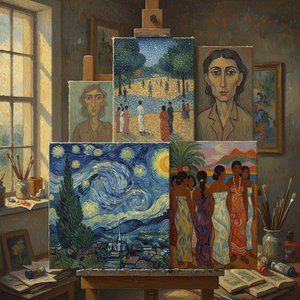
Más Allá del Impresionismo: Profundizando en la Emoción y el Simbolismo Postimpresionista
Descubre la profundidad emocional y el simbolismo del Postimpresionismo con OriginalUniqueArt. Análisis experto de Cézanne, Van Gogh, Gauguin y más. Explora la historia y el legado de este fascinante movimiento artístico.