Vista previa
 Compartir
 Compartir
 Ver detalles
 Guía
Guía

 Descargar
 Ver artículos similares
 Radiografía
 Presentación de diapositivas
 Estadísticas
Bodegón con fruta y geranios Stock
 Óleo sobre lienzo
- Arte de pared
- Postimpresionismo
 1894
1894- Siglo XIX
 58.0 x 91.0 cm
 Leer más
Giclée / Impresión de arte
Impresiones giclée o en lienzo de calidad de museo con producción rápida y opciones de acabado flexibles. ( Encargar reproducción pintada a mano Ver versión en imagen digital)




P118B $10

P118H $10

P118W $10

P438Z $10

P508JH $12

P508YH $12

P805H $10

P805Z $10

P919BZ $10

P919G $10

P919XJ $10

P959ZH $10

P968JZ $12

W106C $8

W218G $10

W218JH $8

W218Y $10

W307PJ $10

W316G $10

W316PJ $8

W316Y $10

W398PJ $8

W4111J $10

W500HY $15

W500JH $15

W692G $12

W849H $8

W940BG $15

W953PJ $8




Elija entre nuestros tamaños predefinidos que respetan las proporciones originales de la obra.

Puede introducir sus propias dimensiones para adaptarse a un marco o espacio específico. Si el tamaño seleccionado no coincide con las proporciones de la imagen original, recortaremos la obra de arte o extenderemos la imagen con un borde con efecto espejo o de color sólido. Se enviará una maqueta digital para su aprobación antes de que comience la producción.
Tenga en cuenta que la vista previa en pantalla no refleja el recorte o la extensión real. Solo la maqueta mostrará con precisión la composición final.
Aunque existen tamaños personalizados, recomendamos seleccionar una dimensión de la lista predefinida para preservar las proporciones originales.
Envío a todo el mundo () en 2 semanas en lugar de las 4/5 semanas estándar. (21 septiembre)

Envío exprés gratuito a todo el mundo

Lienzo de lino de alta calidad

Seguro de envío completo

Garantía de reembolso de impuestos aduaneros

Garantía de fidelidad cromática exacta

Política de devolución de 100 días (solo por defectos)

Garantía de devolución del 100% del dinero

Oferta por volumen
 La opción de vidrio solo está disponible en tamaños inferiores a 110 cm.

Bodegón con fruta y geranios Stock
Giclée / Impresión de arte
Tamaño de la reproducción
-


Precio total
$ 80
Still Life with Fruit Geraniums Stock: A Revolutionary Vision
Paul Cézanne’s *Still life with fruit geraniums Stock*, painted in 1894, stands as an undeniable cornerstone of modern art—a pivotal moment where Impressionism relinquished its fleeting grasp on light and sensation to embrace a radically new approach to perception. Measuring 58 x 91 cm, this oil on canvas transcends the conventional confines of the still life genre, transforming it into a profound exploration of geometric forms and color relationships that would reverberate throughout the artistic landscape of the early 20th century. The painting presents an exquisitely arranged assemblage of apples, oranges, pears, and a vibrant vase overflowing with geraniums resting upon a subtly draped table—a deceptively simple composition concealing layers of intellectual ambition and artistic innovation. Cézanne wasn’t merely depicting objects; he was dissecting them, analyzing their underlying structure to reveal the fundamental principles governing our visual experience. This deliberate methodology distinguishes him from his Impressionist predecessors who sought to capture momentary impressions of light and atmosphere—a quest Cézanne deemed insufficient for conveying the essence of reality.- Formal Innovations: Cézanne’s breakthrough lay in abandoning traditional perspective and employing a technique characterized by visible brushstrokes that build up the canvas surface layer upon layer.
- Geometric Forms: The fruits are rendered not with photographic accuracy but as simplified shapes—spheres, cubes, cylinders—representing Cézanne's conviction that nature itself operates according to geometric laws.
- Color Palette: Cézanne’s muted color palette—dominated by greens, blues, reds, and whites—emphasizes tonal harmony rather than vibrant hues, mirroring the artist’s desire to capture the underlying structure of visual perception.
Deconstructing Perception: Post-Impressionism in Practice
Cézanne's artistic journey represents a decisive break from Impressionism, marking the genesis of Post-Impressionism—a movement that championed subjective vision and symbolic meaning as counterpoints to the objective observation favored by Impressionist painters. *Still life with fruit geraniums Stock* exemplifies this paradigm shift, demonstrating Cézanne’s unwavering commitment to analyzing visual experience through a prism of geometric abstraction. The artist's brushstrokes are deliberately visible—textured and expressive—creating a palpable sense of materiality that contrasts sharply with the diffused light characteristic of Impressionist paintings. This technique underscores Cézanne’s belief that art should strive for an understanding beyond mere surface appearances, mirroring his broader philosophical preoccupation with uncovering hidden truths beneath the veneer of sensory experience. Consider how Cézanne's approach anticipates the radical transformations ushered in by Cubism—a movement that would further dismantle traditional pictorial conventions and redefine artistic representation.Symbolism & Emotional Resonance
Beyond its formal innovations, *Still life with fruit geraniums Stock* invites contemplation on themes of abundance, transience, and the beauty found within everyday life—a reflection of Cézanne’s profound engagement with the natural world. The fruits themselves serve as symbols of nourishment and earthly pleasure, presented not as idealized objects but as tangible forms susceptible to decay—a subtle acknowledgment of mortality that imbues the painting with a contemplative spirit. Simultaneously, the geraniums—with their vibrant color and delicate petals—represent a celebration of life’s fleeting beauty—a visual counterpoint to the melancholic contemplation evoked by Cézanne's masterful composition. The overall effect is one of quiet introspection; the painting doesn’t clamor for attention but rather encourages viewers to slow down, observe carefully, and engage with the underlying emotional depth of the scene. The artist’s deliberate use of color contributes to a harmonious tonal palette that enhances the painting's contemplative mood. The inclusion of geraniums symbolizes beauty and fragility—a poignant reminder of life’s impermanence.Cézanne’s Legacy & Collecting Today
Paul Cézanne’s influence extends far beyond the confines of his own time, shaping artistic sensibilities for generations to come. *Still life with fruit geraniums Stock* remains a cornerstone of modern art education and continues to inspire artists worldwide—a testament to Cézanne's enduring vision of artistic exploration. Its balanced composition and harmonious color palette make it an ideal centerpiece for various interior spaces—from traditional homes to contemporary galleries alike. For those seeking to enrich their collections with masterpieces embodying intellectual rigor and aesthetic beauty, high-quality reproductions offer a compelling pathway to experience the transformative power of Cézanne’s groundbreaking work. Pairing *Still life with fruit geraniums Stock* with other Post-Impressionist pieces—such as works by Matisse or Picasso—creates an immersive artistic dialogue that underscores Cézanne's pivotal role in shaping the trajectory of 20th-century art history.Biografía del artista
vida temprana e influencias
paul cézanne, un pintor postimpresionista francés, nació el 19 de enero de 1839 en Aix-en-Provence, Francia. Su vida temprana estuvo marcada por una fuerte conexión con la empresa bancaria de su familia, lo que le proporcionó seguridad financiera. Esto le permitió concentrarse en sus aspiraciones artísticas sin la carga del estrés financiero. les nabis, neoimpresionismo y simbolismo influyeron en el trabajo temprano de Cézanne, que se caracterizó por su énfasis en las formas geométricas y una paleta de colores limitada. Su interés en las obras de paul gauguin y georges seurat fortaleció aún más su estilo postimpresionista.estilo artístico y técnicas
El uso innovador de Cézanne de los planos de color y pequeños trazos repetitivos creó campos complejos que transmitían su intenso estudio de los temas. Su enfoque a menudo exploratorio del arte condujo al desarrollo de un nuevo lenguaje pictórico, que enfatizaba la estructura subyacente de los objetos en una composición.- características clave:
- formas geométricas y facetado
- paleta de colores reducida
- énfasis en la esencia constructiva del mundo físico
- múltiples perspectivas y simultaneidad
- obras influyentes:
- el estanque de jas de bouffan (1880)
- retrato de emile zola (1866)
- bosque (1892)
- museos que exhiben el trabajo de Cézanne:
- museo marmottan monet en París, Francia
- el museo de bellas artes en Houston, Estados Unidos
legado e impacto
El trabajo pionero de Cézanne en el postimpresionismo allanó el camino para diversos movimientos vanguardistas, incluyendo cubismo, fauvismo y surrealismo. Su influencia se puede ver en las obras de pablo picasso, henri matisse y georges braque. El legado de Cézanne continúa inspirando a artistas y entusiastas del arte por igual, consolidando su lugar como una figura fundamental en la historia del arte moderno.- movimientos artísticos relacionados:
- vea las obras de Cézanne:
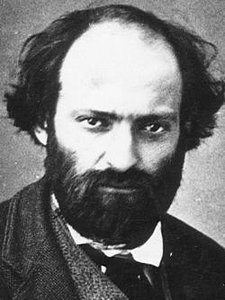
Paul Cézanne
1839 - 1906 , Francia
Datos clave
- Artistas Que Influyeron:
- Paul Gauguin
- Georges Seurat
- Estilo Artístico: Postimpresionismo
- Fecha De Muerte: Octubre 22, 1906
- Fecha De Nacimiento: 19 de enero de 1839
- Influenciado A Artistas:
- Pablo Picasso
- Henri Matisse
- Georges Braque
- Lugar De Nacimiento: Aix-en-Provence, Francia
- Nacionalidad: Francés
- Nombre Completo: Paul Cézanne
- Obras Notables:
- El estanque de Jas de Bouffan
- Retrato de Émile Zola
- Bosque
- Grandes Bañistas
Artículos relacionados

Paul Cézanne: Las 25 Obras Maestras que Definieron el Arte Moderno | OriginalUniqueArt
Descubre las 25 obras maestras de Paul Cézanne que revolucionaron el arte moderno. Explora su técnica, inspiración y significado en paisajes, bodegones y retratos. Reproducciones de alta calidad para decorar tu hogar con arte inolvidable. ¡Explora la colección completa en OriginalUniqueArt.com!
Beyond the Light: Discovering the Soul and Emotional Depth of Post-Impressionism
Embark on a cultural journey through Post-Impressionism. Discover the profound emotional depth of masters like Van Gogh and Cézanne, exploring how they moved beyond light to capture the very soul of human experience through vibrant color and symbolic form.

Más Allá del Impresionismo: Profundizando en la Emoción y el Simbolismo Postimpresionista
Descubre la profundidad emocional y el simbolismo del Postimpresionismo con OriginalUniqueArt. Análisis experto de Cézanne, Van Gogh, Gauguin y más. Explora la historia y el legado de este fascinante movimiento artístico.
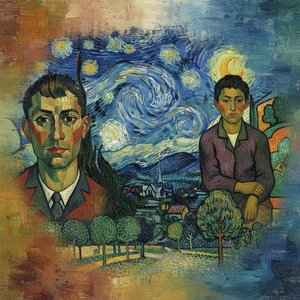
Beyond Impressionism: Exploring Emotional Depth & Formal Innovation in Post-Impressionist Art
Explore the profound emotional depth & formal innovations of Post-Impressionism with our expert guide. Discover Cézanne, Van Gogh, Gauguin & more. Learn about art history, collecting, and investing in this pivotal movement.

The Bountiful Still Life: Symbolism & Artistic Representation of Fruit Across Art History
Explore the rich history of still life painting & the symbolism of fruit across art movements. Discover masterpieces from Caravaggio to Cézanne with OriginalUniqueArt – expert guidance & museum-quality reproductions.