Vista previa
 Compartir
 Compartir
 Ver detalles

 Descargar
 Ver similares
 Radiografía
 Presentación de diapositivas
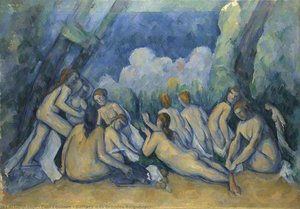
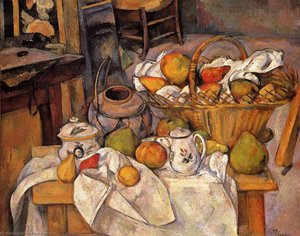
Bathers at Rest
 Óleo sobre lienzo
- Arte de pared
- Post-Impressionism
 1904
1904- Siglo XIX
 22.0 x 33.0 cm
 Leer más
Reproducción al óleo hecha a mano
Óleo sobre lienzo pintado a mano en el tamaño y marco de su elección, realizado por encargo por nuestros artistas. ( Cambiar a impresión Cambiar a imagen)




P118B $10

P118H $10

P118W $10

P438Z $10

P508JH $12

P508YH $12

P805H $10

P805Z $10

P919BZ $10

P919G $10

P919XJ $10

P959ZH $10

P968JZ $12

W106C $8

W218G $10

W218JH $8

W218Y $10

W307PJ $10

W316G $10

W316PJ $8

W316Y $10

W398PJ $8

W4111J $10

W500HY $15

W500JH $15

W692G $12

W849H $8

W940BG $15

W953PJ $8




Elija entre nuestros tamaños predefinidos que respetan las proporciones originales de la obra.

Puede ingresar sus propias dimensiones para adaptarse a un marco o espacio específico. Si el tamaño seleccionado no coincide con las proporciones de la imagen original, recortaremos la obra o extenderemos la pintura con elementos adicionales pintados a mano. Se le enviará una maqueta digital para su aprobación antes de comenzar la producción.
Tenga en cuenta que la vista previa en pantalla no refleja el recorte o la extensión reales. Solo la maqueta mostrará con precisión la composición final.
Si bien existen tamaños personalizados, recomendamos seleccionar una dimensión de la lista predefinida para preservar las proporciones originales.
Tras realizar el pedido, el equipo de OriginalUniqueArt.com enviará un correo electrónico al cliente para solicitar instrucciones y proporcionarle una vista previa del boceto.
Envío a todo el mundo () en 3-4 semanas en lugar de las 5 semanas estándar. (11 agosto). Sin comprometer la calidad.

Envío exprés gratuito a todo el mundo

Lienzo de lino de alta calidad

Seguro de envío completo

Garantía de reembolso de aranceles aduaneros

Garantía de fidelidad cromática exacta

Política de devolución de 60 días (solo por defectos)

Garantía de devolución del 100% del dinero

Oferta por volumen
 La opción de vidrio solo está disponible en tamaños inferiores a 110 cm.

Bathers at Rest
Técnica de reproducción
Tamaño de la reproducción
-


Precio total
$ 300
Descripción de la obra
A Moment of Tranquil Reflection: Paul Cézanne’s “Bathers at Rest”
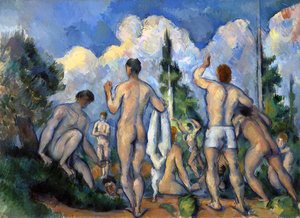
Paul Cézanne's "Bathers at Rest," painted in 1904, isn’t merely a depiction of figures enjoying a lakeside afternoon; it’s a profound exploration of form, light, and the very essence of being. This pivotal work, housed within the Musée d’Orsay in Paris, stands as a crucial bridge between the fleeting impressions of Impressionism and the nascent geometric explorations that would define Cubism. Cézanne, a man often misunderstood during his lifetime, meticulously crafted this scene not to capture a photographic likeness but rather to distill the fundamental elements of nature – the curves of bodies, the planes of water, and the solidity of trees – into their purest visual representation.
The painting immediately draws the eye with its harmonious palette. Soft blues and greens dominate the background, suggesting the tranquil waters of a lake reflecting the sky. These colors are juxtaposed against the warm ochres and browns of the figures’ skin and clothing, creating a subtle yet powerful contrast that anchors them within the landscape. Cézanne's brushwork is deliberately loose and expressive, eschewing the meticulous detail favored by earlier painters in favor of capturing the *feeling* of the scene. Notice how he uses short, broken strokes to define the contours of the bodies, giving them an almost sculptural quality – as if they were carved from stone rather than painted onto canvas.
The Post-Impressionist Revolution: Cézanne’s Search for Structure
Cézanne's work represents a significant departure from the Impressionists’ focus on capturing transient effects of light and color. While he certainly appreciated the beauty of light, he was increasingly preoccupied with understanding the underlying structure of objects. He famously stated, “I do not paint what I see, but what I feel.” This sentiment is powerfully evident in "Bathers at Rest." The figures are arranged in a deliberately asymmetrical composition, defying traditional notions of perspective and balance. Cézanne wasn’t striving for realistic spatial relationships; instead, he was exploring how to represent three-dimensional forms on a two-dimensional surface.
This pursuit of structure is further emphasized by the painting's geometric simplification. The bodies are rendered as overlapping planes, reminiscent of the work of Renaissance masters like Masaccio and Donatello. Cézanne’s use of parallel lines and converging viewpoints creates a sense of depth and solidity that transcends mere illusionism. He was essentially building a visual vocabulary—a foundation for future generations of artists to dismantle and reconstruct.
Symbolic Resonance: Leisure, Observation, and the Human Condition
Beyond its formal innovations, “Bathers at Rest” carries a quiet emotional resonance. The scene depicts a moment of serene leisure – figures relaxing in nature, seemingly oblivious to the outside world. The two women on the right, positioned slightly apart from the men, suggest a subtle dynamic of observation and contemplation. They are not actively participating in the activity but rather absorbing the atmosphere, inviting the viewer to share in their peaceful state.
Cézanne himself was a keen observer of human behavior, often depicted in his own paintings. “Bathers at Rest” can be interpreted as a meditation on the simple pleasures of life – the beauty of nature, the comfort of companionship, and the quiet joy of being present in the moment. It’s a painting that invites us to slow down, breathe deeply, and appreciate the subtle wonders of our surroundings.
A Timeless Masterpiece: Reproductions and Interior Design
“Bathers at Rest” remains one of Cézanne's most beloved works, captivating viewers with its harmonious composition, evocative atmosphere, and profound insights into the nature of art. OriginalUniqueArt offers high-quality reproductions that faithfully capture the painting’s rich colors and textured brushwork, allowing you to bring this timeless masterpiece into your own home or office.
Consider how the painting's muted palette and sense of tranquility can complement a variety of interior design styles. Its understated elegance would be particularly well-suited for creating serene and contemplative spaces – whether in a living room, bedroom, or study. The painting’s geometric forms also lend themselves to modern and minimalist interiors, providing a touch of artistic sophistication without overwhelming the space.
Biografía del artista
vida temprana e influencias
paul cézanne, un pintor postimpresionista francés, nació el 19 de enero de 1839 en Aix-en-Provence, Francia. Su vida temprana estuvo marcada por una fuerte conexión con la empresa bancaria de su familia, lo que le proporcionó seguridad financiera. Esto le permitió concentrarse en sus aspiraciones artísticas sin la carga del estrés financiero. les nabis, neoimpresionismo y simbolismo influyeron en el trabajo temprano de Cézanne, que se caracterizó por su énfasis en las formas geométricas y una paleta de colores limitada. Su interés en las obras de paul gauguin y georges seurat fortaleció aún más su estilo postimpresionista.estilo artístico y técnicas
El uso innovador de Cézanne de los planos de color y pequeños trazos repetitivos creó campos complejos que transmitían su intenso estudio de los temas. Su enfoque a menudo exploratorio del arte condujo al desarrollo de un nuevo lenguaje pictórico, que enfatizaba la estructura subyacente de los objetos en una composición.- características clave:
- formas geométricas y facetado
- paleta de colores reducida
- énfasis en la esencia constructiva del mundo físico
- múltiples perspectivas y simultaneidad
- obras influyentes:
- el estanque de jas de bouffan (1880)
- retrato de emile zola (1866)
- bosque (1892)
- museos que exhiben el trabajo de Cézanne:
- museo marmottan monet en París, Francia
- el museo de bellas artes en Houston, Estados Unidos
legado e impacto
El trabajo pionero de Cézanne en el postimpresionismo allanó el camino para diversos movimientos vanguardistas, incluyendo cubismo, fauvismo y surrealismo. Su influencia se puede ver en las obras de pablo picasso, henri matisse y georges braque. El legado de Cézanne continúa inspirando a artistas y entusiastas del arte por igual, consolidando su lugar como una figura fundamental en la historia del arte moderno.- movimientos artísticos relacionados:
- vea las obras de Cézanne:
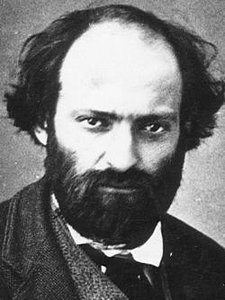
Paul Cézanne
1839 - 1906 , Francia
Datos clave
- Artistas Que Influyeron:
- Paul Gauguin
- Georges Seurat
- Estilo Artístico: Postimpresionismo
- Fecha De Muerte: Octubre 22, 1906
- Fecha De Nacimiento: 19 de enero de 1839
- Influenciado A Artistas:
- Pablo Picasso
- Henri Matisse
- Georges Braque
- Lugar De Nacimiento: Aix-en-Provence, Francia
- Nacionalidad: Francés
- Nombre Completo: Paul Cézanne
- Obras Notables:
- El estanque de Jas de Bouffan
- Retrato de Émile Zola
- Bosque
- Grandes Bañistas
Artículos relacionados

Paul Cézanne: Las 25 Obras Maestras que Definieron el Arte Moderno | OriginalUniqueArt
Descubre las 25 obras maestras de Paul Cézanne que revolucionaron el arte moderno. Explora su técnica, inspiración y significado en paisajes, bodegones y retratos. Reproducciones de alta calidad para decorar tu hogar con arte inolvidable. ¡Explora la colección completa en OriginalUniqueArt.com!
Paul Klee: Las 25 Obras Maestras que Definen un Genio del Arte Moderno | OriginalUniqueArt
Descubre las 25 obras maestras de Paul Klee, el genio del arte moderno. Explora su expresionismo único, composiciones abstractas y vibrantes paletas de colores. Reproducciones de alta calidad y decoración con arte en OriginalUniqueArt.com.
Más Allá del Impresionismo: Profundizando en la Emoción y el Simbolismo Postimpresionista
Descubre la profundidad emocional y el simbolismo del Postimpresionismo con OriginalUniqueArt. Análisis experto de Cézanne, Van Gogh, Gauguin y más. Explora la historia y el legado de este fascinante movimiento artístico.
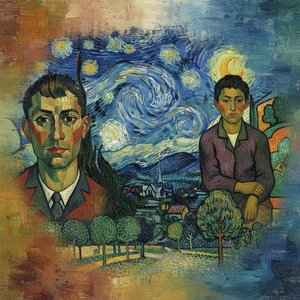
Beyond Impressionism: Exploring Emotional Depth & Formal Innovation in Post-Impressionist Art
Explore the profound emotional depth & formal innovations of Post-Impressionism with our expert guide. Discover Cézanne, Van Gogh, Gauguin & more. Learn about art history, collecting, and investing in this pivotal movement.

Impresionismo: 10 Obras Maestras que Capturan la Luz y el Momento
Descubre 10 obras maestras del impresionismo de Monet, Renoir y Degas. Explora la luz, el color y las historias detrás de estos icónicos cuadros. Reproducciones de arte en OriginalUniqueArt.com para decorar tu hogar con estilo.