- Inicio

- Impresión en lienzo
- Paul Cézanne
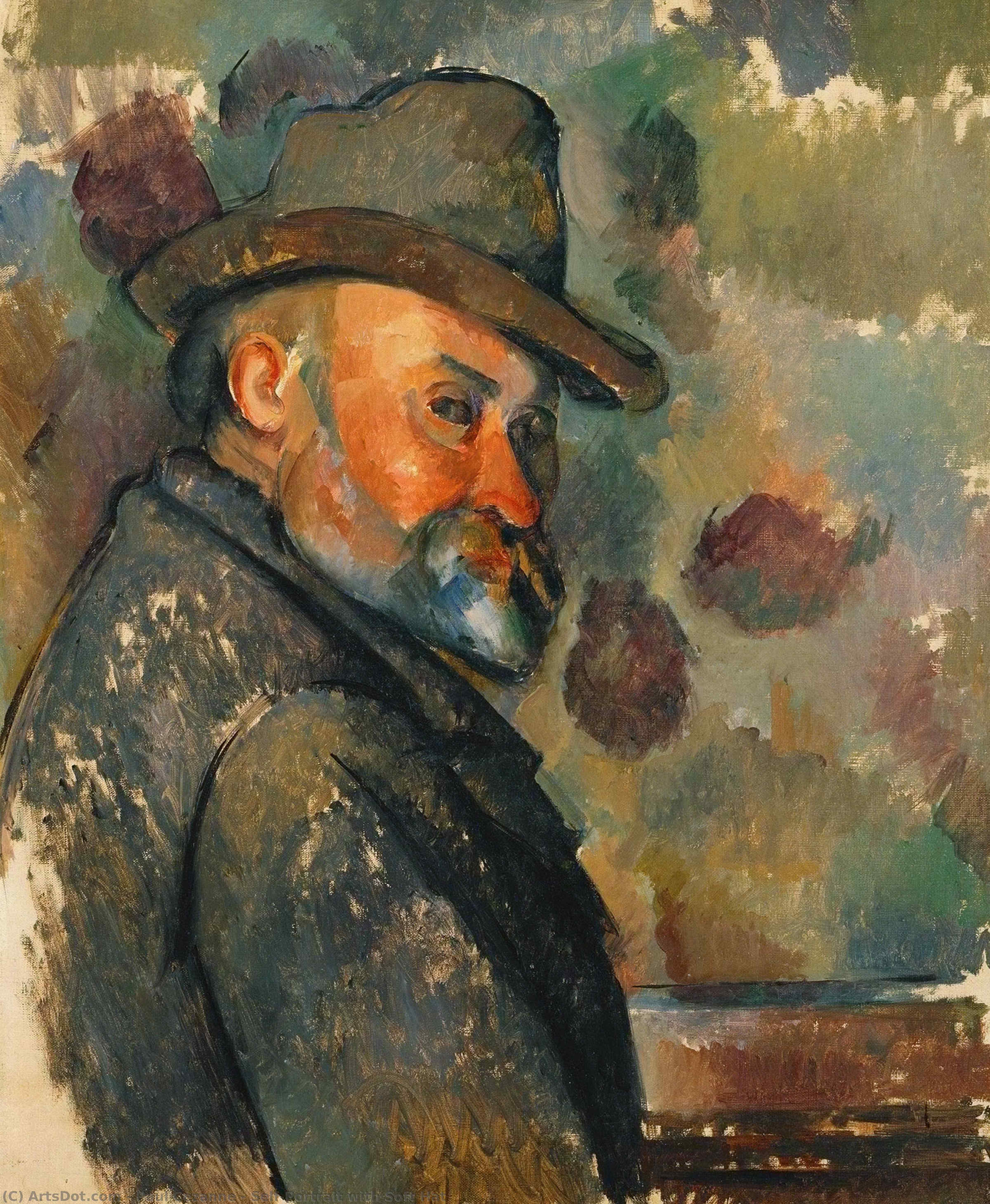
- Autoportrait con sombrero suave
 Vista previa
 Compartir
 Compartir
 Ver detalles

 Descargar
 Ver similares
 Radiografía
 Presentación de diapositivas
Autoportrait con sombrero suave


 Leer más
Giclée / Impresión de arte
Impresiones giclée o en lienzo de calidad de museo con producción rápida y opciones de acabado flexibles. ( Cambiar a pintura hecha a mano Cambiar a imagen)




P118B $10

P118H $10

P118W $10

P438Z $10

P508JH $12

P508YH $12

P805H $10

P805Z $10

P919BZ $10

P919G $10

P919XJ $10

P959ZH $10

P968JZ $12

W106C $8

W218G $10

W218JH $8

W218Y $10

W307PJ $10

W316G $10

W316PJ $8

W316Y $10

W398PJ $8

W4111J $10

W500HY $15

W500JH $15

W692G $12

W849H $8

W940BG $15

W953PJ $8




Elija entre nuestros tamaños predefinidos que respetan las proporciones originales de la obra.

Puede introducir sus propias dimensiones para adaptarse a un marco o espacio específico. Si el tamaño seleccionado no coincide con las proporciones de la imagen original, recortaremos la obra de arte o extenderemos la imagen con un borde con efecto espejo o de color sólido. Se enviará una maqueta digital para su aprobación antes de que comience la producción.
Tenga en cuenta que la vista previa en pantalla no refleja el recorte o la extensión real. Solo la maqueta mostrará con precisión la composición final.
Aunque existen tamaños personalizados, recomendamos seleccionar una dimensión de la lista predefinida para preservar las proporciones originales.
Envío a todo el mundo () en 2 semanas en lugar de las 4/5 semanas estándar. (1 agosto)

Envío exprés gratuito a todo el mundo

Lienzo de lino de alta calidad

Seguro de envío completo

Garantía de reembolso de aranceles aduaneros

Garantía de fidelidad cromática exacta

Política de devolución de 60 días (solo por defectos)

Garantía de devolución del 100% del dinero

Oferta por volumen
 La opción de vidrio solo está disponible en tamaños inferiores a 110 cm.

Autoportrait con sombrero suave
Giclée / Impresión de arte
Tamaño de la reproducción
-


Precio total
$ 80
Descripción de la pieza
Paul Cézanne: A Pioneer Bridging Impressionism and Cubism
Paul Cézanne stands as an undeniable titan in the annals of art history—a figure whose audacious vision irrevocably altered the trajectory of painting, propelling it from the fleeting impressions of Impressionism toward the fractured geometries of Cubism. More than simply a painter; he was a revolutionary thinker who wrestled with fundamental questions about representation and perception, leaving behind a legacy that continues to resonate within contemporary artistic discourse. His distinctive style, exemplified in monumental murals adorning Jas de Bouffan, embodies a harmonious blend of Romantic idealism and meticulous Realism—a testament to his intellectual curiosity and unwavering dedication to exploring the very essence of visual experience. Cézanne’s influence extends far beyond his own canvases; he served as an inspirational mentor for artists like Picasso and Matisse, shaping the artistic landscape of the 20th century.- Early Life & Influences: Born in Aix-en-Provence in 1839, Cézanne’s upbringing fostered a profound appreciation for classical art and literature—influences that would permeate his artistic endeavors throughout his life. His father, Louis-Auguste Cézanne, was a banker who instilled in him a disciplined approach to finance and intellectual pursuits, while his mother, Anne-Elisabeth Aubert, nurtured his imaginative spirit with tales of Romantic adventure.
- The Impressionist Period: Cézanne’s initial artistic explorations coincided with the burgeoning fervor of Impressionism—a movement characterized by its emphasis on capturing fleeting moments of light and color. Artists like Monet and Renoir captivated him with their innovative techniques, prompting him to experiment with plein air painting and explore new ways of conveying atmospheric sensations.
- The Birth of Cézanne’s Unique Style: However, Cézanne swiftly transcended the limitations of Impressionism, embarking on a relentless quest for a more profound artistic language—one that would liberate art from mere optical illusion. He began to dissect objects with painstaking precision, analyzing their underlying structure and simplifying forms into geometric primitives—a pivotal step toward establishing his groundbreaking style.
“Self-Portrait With Soft Hat”: A Study in Form and Light
“Self-Portrait With Soft Hat,” painted circa 1867-1868, encapsulates Cézanne’s artistic genius with breathtaking clarity—a masterpiece that embodies the core tenets of his revolutionary approach to painting. The portrait depicts Cézanne seated before a dark background, wearing a soft hat and gazing directly at the viewer with unwavering confidence. This seemingly unassuming composition belies an intricate orchestration of visual elements designed to convey not just likeness but also psychological depth. Cézanne’s masterful manipulation of color—primarily muted ochres, browns, and blues—creates a harmonious tonal palette that underscores the solemnity of the scene.- Compositional Innovation: Cézanne abandons traditional perspective conventions, flattening the picture plane and emphasizing the solidity of form—a technique that anticipates the principles of Cubism. The hat serves as a focal point, anchoring the composition while simultaneously directing the viewer’s gaze toward Cézanne's face.
- Brushwork & Texture: Cézanne employs bold, expressive brushstrokes—characterized by thick impasto—to imbue the canvas with palpable texture and dynamism. These strokes convey not merely visual information but also emotional intensity, reflecting Cézanne’s profound engagement with his subject matter.
- Symbolic Significance: The soft hat itself holds symbolic resonance—representing Cézanne's intellectual detachment from conventional social norms and embodying a deliberate rejection of decorative embellishments. It serves as a visual emblem of Cézanne’s artistic independence and unwavering commitment to pursuing truthfulness in representation.
Historical Context & Artistic Legacy
The painting emerges from the broader context of 19th-century art—a period marked by intense debate over aesthetic ideals and fueled by burgeoning scientific discoveries concerning optics and perception. Cézanne’s artistic endeavors coincided with the rise of Impressionism, which challenged academic conventions and championed subjective experience as paramount to artistic expression. Simultaneously, he engaged in dialogues with thinkers like Nietzsche and Bergson—influences that informed his philosophical worldview and shaped his artistic vision. Cézanne's pioneering style profoundly impacted subsequent generations of artists—inspiring movements such as Cubism and Surrealism—and establishing him as one of the most influential figures in modern art. His enduring legacy continues to inspire artists today who strive for innovation and authenticity, cementing his place among the titans of Western artistic history.- Influence on Modern Art: Cézanne’s exploration of geometric forms and simplified perspectives paved the way for Cubism—a revolutionary movement spearheaded by Picasso and Braque that shattered traditional notions of pictorial space and challenged viewers to reconsider their understanding of visual reality.
- Continuing Relevance: Cézanne's unwavering commitment to capturing the essence of form and light remains remarkably pertinent in contemporary artistic practice—serving as a reminder that true beauty resides not merely in surface appearances but also in underlying structural principles.
Biografía del artista
vida temprana e influencias
paul cézanne, un pintor postimpresionista francés, nació el 19 de enero de 1839 en Aix-en-Provence, Francia. Su vida temprana estuvo marcada por una fuerte conexión con la empresa bancaria de su familia, lo que le proporcionó seguridad financiera. Esto le permitió concentrarse en sus aspiraciones artísticas sin la carga del estrés financiero. les nabis, neoimpresionismo y simbolismo influyeron en el trabajo temprano de Cézanne, que se caracterizó por su énfasis en las formas geométricas y una paleta de colores limitada. Su interés en las obras de paul gauguin y georges seurat fortaleció aún más su estilo postimpresionista.estilo artístico y técnicas
El uso innovador de Cézanne de los planos de color y pequeños trazos repetitivos creó campos complejos que transmitían su intenso estudio de los temas. Su enfoque a menudo exploratorio del arte condujo al desarrollo de un nuevo lenguaje pictórico, que enfatizaba la estructura subyacente de los objetos en una composición.- características clave:
- formas geométricas y facetado
- paleta de colores reducida
- énfasis en la esencia constructiva del mundo físico
- múltiples perspectivas y simultaneidad
- obras influyentes:
- el estanque de jas de bouffan (1880)
- retrato de emile zola (1866)
- bosque (1892)
- museos que exhiben el trabajo de Cézanne:
- museo marmottan monet en París, Francia
- el museo de bellas artes en Houston, Estados Unidos
legado e impacto
El trabajo pionero de Cézanne en el postimpresionismo allanó el camino para diversos movimientos vanguardistas, incluyendo cubismo, fauvismo y surrealismo. Su influencia se puede ver en las obras de pablo picasso, henri matisse y georges braque. El legado de Cézanne continúa inspirando a artistas y entusiastas del arte por igual, consolidando su lugar como una figura fundamental en la historia del arte moderno.- movimientos artísticos relacionados:
- vea las obras de Cézanne:
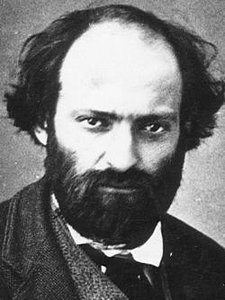
Paul Cézanne
1839 - 1906 , Francia
Datos clave
- Artistas Que Influyeron:
- Paul Gauguin
- Georges Seurat
- Estilo Artístico: Postimpresionismo
- Fecha De Muerte: Octubre 22, 1906
- Fecha De Nacimiento: 19 de enero de 1839
- Influenciado A Artistas:
- Pablo Picasso
- Henri Matisse
- Georges Braque
- Lugar De Nacimiento: Aix-en-Provence, Francia
- Nacionalidad: Francés
- Nombre Completo: Paul Cézanne
- Obras Notables:
- El estanque de Jas de Bouffan
- Retrato de Émile Zola
- Bosque
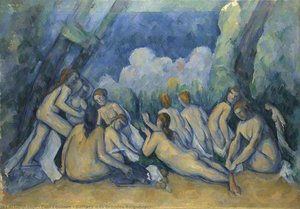
- Grandes Bañistas
Artículos relacionados

Paul Cézanne: Las 25 Obras Maestras que Definieron el Arte Moderno | OriginalUniqueArt
Descubre las 25 obras maestras de Paul Cézanne que revolucionaron el arte moderno. Explora su técnica, inspiración y significado en paisajes, bodegones y retratos. Reproducciones de alta calidad para decorar tu hogar con arte inolvidable. ¡Explora la colección completa en OriginalUniqueArt.com!
Paul Klee: Las 25 Obras Maestras que Definen un Genio del Arte Moderno | OriginalUniqueArt
Descubre las 25 obras maestras de Paul Klee, el genio del arte moderno. Explora su expresionismo único, composiciones abstractas y vibrantes paletas de colores. Reproducciones de alta calidad y decoración con arte en OriginalUniqueArt.com.
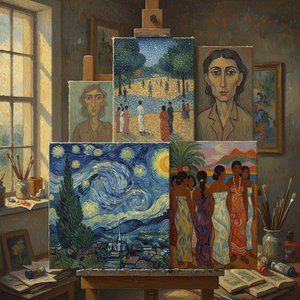
Más Allá del Impresionismo: Profundizando en la Emoción y el Simbolismo Postimpresionista
Descubre la profundidad emocional y el simbolismo del Postimpresionismo con OriginalUniqueArt. Análisis experto de Cézanne, Van Gogh, Gauguin y más. Explora la historia y el legado de este fascinante movimiento artístico.
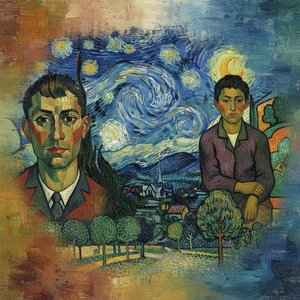
Beyond Impressionism: Exploring Emotional Depth & Formal Innovation in Post-Impressionist Art
Explore the profound emotional depth & formal innovations of Post-Impressionism with our expert guide. Discover Cézanne, Van Gogh, Gauguin & more. Learn about art history, collecting, and investing in this pivotal movement.

Abstracción Geométrica: 10 Obras Maestras que Transformaron el Arte Moderno | OriginalUniqueArt
Descubre las 10 obras maestras de la abstracción geométrica que revolucionaron el arte moderno. Explora a Mondrian, Malevich y Kandinsky en OriginalUniqueArt.com. Reproducciones de alta calidad para tu hogar.