

 Ver en contexto
 Enviar
 Compartir
 Detalles

 Descargar
 Similares
 Radiografía
 Presentación de diapositivas
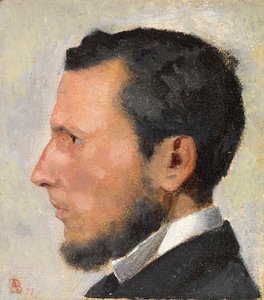
Morphine Addicts
 Acrylic On Canvas
- WallArt
- Impressionism
 1887
1887 24.0 x 37.0 cm
 Museo Metropolitano de Arte
 Ver más
Adquiera una imagen digital de alta resolución y optimizada, muy superior a la vista previa en línea.
Cada archivo es preparado meticulosamente por nuestros especialistas internos mediante el uso de herramientas avanzadas y un experto retoque manual. Nos aseguramos de que cada imagen posea una claridad excepcional, una precisión cromática impecable y un detalle minucioso.
El archivo final se entrega por correo electrónico en un plazo de 72 horas, optimizado para su uso inmediato en entornos profesionales, editoriales y de impresión. Esta es la misma calidad en la que confían los estudios de diseño, las editoriales y las galerías de primer nivel.
Imagen Digital
Descarga un archivo de alta resolución para exhibición personal, impresión y proyectos creativos. ( Comprar impresión Comprar pintura hecha a mano)
Incluido en cada pedido de imágenes digitales
Entrega digital experta, garantizada.
Al elegir OriginalUniqueArt.com, no solo está adquiriendo una imagen; está recibiendo una obra de arte digital mejorada profesionalmente, elaborada con precisión y respaldada por una garantía de satisfacción. Esto es todo lo que incluye su pedido, automáticamente:

Entrega rápida por email
Recibirá su archivo de imagen digital en alta resolución por correo electrónico en un plazo de 72 horas tras realizar su pedido, listo para su uso inmediato.

Archivo digital optimizado por IA
Su obra de arte se optimiza profesionalmente mediante herramientas avanzadas de IA y edición manual, garantizando el máximo detalle, claridad y precisión cromática.

Reenvío gratuito de por vida
¿Has borrado o perdido tu archivo por error? No te preocupes: te lo volveremos a enviar en cualquier momento, sin coste adicional.

Sin gastos de importación, siempre
Disfrute de su obra de arte al instante sin aduanas, aranceles ni gastos de envío; las descargas digitales siempre están libres de impuestos.

Garantía de fidelidad de color
Garantizamos que su imagen digital refleje los colores originales con la mayor fidelidad posible, mediante el uso de herramientas profesionales y gestión del color.

Garantía de satisfacción de 100 días
Si no está satisfecho con su imagen digital, la revisaremos o le reembolsaremos el 100% en un plazo de 100 días, sin preguntas.

100% Garantía de devolución de dinero
¿No está satisfecho? Obtenga un reembolso completo dentro de los 100 días posteriores a la recepción de su archivo digital, sin preguntas.

Descuentos por pedidos grandes
Compra 3 imágenes, ahorra 10% - Compra 5, ahorra 15% - Compra 10+, ahorra 20%. Ideal para proyectos creativos, galerías y agencias.
Paul Albert Besnard - Morphine Addicts
Paul Albert Besnard (1849-1934) stands as a singular figure in French art of the late nineteenth and early twentieth centuries—a painter who stubbornly resisted categorization while simultaneously achieving remarkable success across diverse artistic mediums. Born in Paris, he possessed an innate talent nurtured by formal training at the École des Beaux-Arts under Jean Bremond and profoundly shaped by the pioneering spirit of Alexandre Cabanel, whose meticulous realism served as a cornerstone for Besnard’s initial artistic explorations. His academic grounding provided a disciplined foundation upon which he would later forge his own distinctive path, one characterized by an unwavering fascination with color and light—concepts championed by the Impressionists. Despite eschewing the overtly dramatic aesthetic favored by his contemporaries, Besnard skillfully adapted Impressionistic techniques to monumental decorative pro Besnard’s oeuvre is marked by a profound sensitivity to human emotion and psychological nuance, particularly evident in his portraits of women – figures rendered with exquisite detail and imbued with an aura of melancholy. “Morphine Addicts,” completed in 1887, exemplifies this artistic approach, presenting two women presented in a starkly lit laboratory setting—a juxtaposition that immediately invites contemplation on themes of illness, addiction, and the complexities of human experience. The artist’s masterful command of etching technique contributes significantly to the artwork's expressive power, capturing subtle tonal variations and textural nuances with remarkable precision. The composition itself is deliberately restrained, focusing intently on the faces and upper bodies of the subjects—a stylistic choice that underscores Besnard’s commitment to realism while simultaneously conveying a sense of intimacy. The figures are positioned slightly off-center, creating visual balance and drawing the viewer's gaze towards their expressive eyes. A table laden with scientific glassware serves as a grounding element, anchoring the scene within its clinical context and subtly hinting at the underlying narrative. Besnard’s meticulous hatching and crosshatching techniques—inherited from Cabanel’s influence—are employed to build up areas of shadow, enhancing depth and creating an atmosphere of quiet contemplation. Color plays a crucial role in conveying emotion, though Besnard eschews vibrant hues characteristic of Impressionism, opting instead for a monochrome palette dominated by shades of grey and white. This tonal scheme amplifies the artwork’s melancholic mood, emphasizing the vulnerability of the subjects and fostering a connection with the viewer on an emotional level. The artist skillfully utilizes light and shadow to sculpt the forms of the women's faces, highlighting their expressions and conveying subtle nuances of emotion—a testament to Besnard’s artistic prowess. Ultimately, “Morphine Addicts” transcends mere visual representation; it functions as a poignant meditation on human suffering and resilience. Besnard’s stylistic blend of academic realism with Impressionistic sensibilities captures the essence of his era—a period marked by intellectual curiosity and an exploration of psychological states. The artwork's enduring appeal lies in its ability to provoke reflection on themes of addiction, vulnerability, and the profound beauty found within moments of quiet introspection. It remains a compelling example of Besnard’s artistic vision and a testament to the power of art to communicate complex emotions with grace and subtlety.Biografía del artista
El legado luminoso de Paul Albert Besnard
Paul Albert Besnard (1849-1934) se erige como una figura singular en el tapiz del arte francés, un pintor que navegó las mareas cambiantes de finales del siglo XIX y principios del XX con una gracia única e inclasificable. Nacido en París, su viaje artístico comenzó dentro de los rigurosos confines de la École des Beaux-Arts, donde estudió bajo la tutela de Jean Bremond. Su desarrollo temprano estuvo profundamente marcado por el realismo meticuloso de Alexandre Cabanel, una influencia que dotó a Besnard de una base académica disciplinada. Sin embargo, bajo esta formación clásica latía el corazón de un modernizador, alguien que eventualmente se alejaría de los rígidos límites de la tradición para abrazar la belleza efímera de la luz y la atmósfera.
A medida que su carrera maduraba, Besnard comenzó a tender puentes entre el mundo estructurado de la pintura académica y las vibrantes exploraciones sensoriales del Impresionismo. Aunque no abandonó por completo la forma en favor de la abstracción pura, se convirtió en un maestro del color, utilizando una paleta que se sentía tanto luminosa como profundamente emotiva. Su obra se caracteriza por una fascinación inquebrantable con la interacción de la luz sobre las superficies, ya sea en la delicada piel de un retrato o en las vastas extensiones arquitectónicas de sus encargos más grandiosos. Esta capacidad para unir lo monumental con lo íntimo le permitió trascender las etiquetas de su época, creando un estilo que se siente a la vez atemporal y sorprendentemente contemporáneo.
Un maestro de la escala y el espíritu
El verdadero genio de Besnard era quizás más visible en su capacidad para trasladar las sensibilidades modernas a una escala decorativa monumental. Él no se limitaba a pintar cuadros; transformaba espacios. Sus ambiciosos frescos, que adornan algunas de las instituciones más prestigiosas de Francia, sirven como testimonio de su visión del arte como una experiencia pública e inmersiva. Estas obras pueden encontrarse en lugares tales como:
- La Sorbona, donde su pincelada infunde vida a la grandeza académica.
- La École de Pharmacie, que muestra su habilidad para integrar el arte con la arquitectura funcional.
- La Salle des Sciences de la Comédie Française, un triunfo de la narrativa decorativa.
- El Hôtel de Ville, reflejando el orgullo cívico y la sofisticación estética de París.
- La capilla del Hospital de Berck, donde su Vía Crucis reimaginó la iconografía religiosa a través de una lente moderna y humanista.
En estas tareas de gran envergadura, Besnard evitó las estéticas excesivamente dramáticas o teatrales que favorecían muchos de sus contemporáneos. En su lugar, utilizó un enfoque más sutil y atmosférico que permitía a la luz guiar el ojo del espectador, asegurando que incluso las composiciones más masivas conservaran un sentido de intimidad poética y profundidad espiritual.
El retrato y la intimidad de la forma
Más allá de las amplias vistas de sus frescos, Besnard fue un creador prolífico de obras mucho más personales. Poseía una capacidad extraordinaria para capturar la esencia psicológica de sus sujetos a través del óleo, la acuarela, el pastel y el aguafuerte. Sus retratos son celebrados no solo por su precisión técnica, sino por su profunda resonancia emocional. En su representación de Madame Georges Rodenbach, se encuentra una exploración audaz de la belleza que desafía las normas convencionales, demostrando su destreza para plasmar la textura y el carácter con igual fervor.
Su versatilidad como grabador y dibujante le permitió experimentar con el juego de luces y sombras en una escala mucho más delicada. Ya fuera capturando la presencia regia de El Rey y la Reina de Bélgica o la quietud de un paisaje, la obra de Besnard permanece anclada por una influencia que recuerda a Thomas Gainsborough: una cierta elegancia y fluidez rítmica que eleva el tema tratado. En última instancia, la importancia de Paul Albert Besnard reside en esta misma dualidad: fue un artista capaz de dominar los salones más grandes de Francia mientras capturaba, simultáneamente, los susurros de luz más fugaces y delicados.
Paul Albert Besnard
1849 - 1934 , Francia
Breves datos
- Artistic Movement Or Style: Impresionismo
- Artists Who Influenced This Artist:
- Alexandre Cabanel
- Thomas Gainsborough
- Date Of Birth: Paris, Francia (1849)
- Date Of Death: 1934
- Full Name: Paul Albert Besnard
- Nationality: Francés
- Notable Artworks:
- La Femme qui se chauffe
- Death of Timophanes
- Portrait de Madame Georges Rodenbach
- Place Of Birth: París