

 Vista previa
 Compartir
 Compartir
 Ver detalles
 Guía
Guía

 Descargar
 Ver artículos similares
 Radiografía
 Presentación de diapositivas
 Estadísticas
Japanese Children


 Leer más
La obra de arte que se muestra en esta página está protegida por las leyes de propiedad intelectual, lo que significa que no podemos crear ni vender legalmente una reproducción idéntica. Esta protección se hace cumplir en virtud de acuerdos internacionales como el Convenio de Berna y por las leyes nacionales, incluidas aquellas establecidas por el Ley de derechos de autor de los EE. UU. - Título 17.
Como una alternativa respetuosa y legal, ofrecemos obras de arte personalizadas y pintadas a mano inspiradas en la original. Nuestros expertos y profesionales del arte estudian cuidadosamente el estilo, el sentimiento y la esencia artística de la obra original para crear una pieza nueva y única que evoque la misma sensación, siendo al mismo tiempo una creación original por derecho propio.
Este método cumple plenamente con las normativas de derechos de autor, ya que no implica la copia ni la duplicación de la obra protegida. En su lugar, se trata de una reinterpretación creativa: una nueva pintura influenciada por la original, pero que no es idéntica a ella.
Reproducción al óleo hecha a mano
Óleo sobre lienzo pintado a mano en el tamaño y marco de su elección, realizado por encargo por nuestros artistas. ( Cambiar a formato impreso Ver versión en imagen digital)




P118B €10

P118H €10

P118W €10

P438Z €10

P508JH €12

P508YH €12

P805H €10

P805Z €10

P919BZ €10

P919G €10

P919XJ €10

P959ZH €10

P968JZ €12

W106C €8

W218G €10

W218JH €8

W218Y €10

W307PJ €10

W316G €10

W316PJ €8

W316Y €10

W398PJ €8

W4111J €10

W500HY €15

W500JH €15

W692G €12

W849H €8

W940BG €15

W953PJ €8




Elija entre nuestros tamaños predefinidos que respetan las proporciones originales de la obra.

Puede ingresar sus propias dimensiones para adaptarse a un marco o espacio específico. Si el tamaño seleccionado no coincide con las proporciones de la imagen original, recortaremos la obra o extenderemos la pintura con elementos adicionales pintados a mano. Se le enviará una maqueta digital para su aprobación antes de comenzar la producción.
Tenga en cuenta que la vista previa en pantalla no refleja el recorte o la extensión reales. Solo la maqueta mostrará con precisión la composición final.
Si bien existen tamaños personalizados, recomendamos seleccionar una dimensión de la lista predefinida para preservar las proporciones originales.
Tras realizar el pedido, el equipo de OriginalUniqueArt.com enviará un correo electrónico al cliente para solicitar instrucciones y proporcionarle una vista previa del boceto.
Envío a todo el mundo () en 3-4 semanas en lugar de las 5 semanas estándar. (8 octubre). Sin comprometer la calidad.

Envío exprés gratuito a todo el mundo

Lienzo de lino de alta calidad

Seguro de envío completo

Garantía de reembolso de impuestos aduaneros

Garantía de fidelidad cromática exacta

Política de devolución de 100 días (solo por defectos)

Garantía de devolución del 100% del dinero

Oferta por volumen
 La opción de vidrio solo está disponible en tamaños inferiores a 110 cm.

Japanese Children
Técnica de reproducción
Tamaño de la reproducción
-


Precio total
€ 258
Biografía del artista
Una lente entre la realidad y el mito: La vida de Patrick Nagatani
La vida de Patrick Nagatani comenzó bajo la pesada sombra histórica de la devastación nuclear. Nacido el 19 de agosto de 1945 en Chicago, su llegada ocurrió apenas diez días después del bombardeo atómico de Nagasaki, una coincidencia temporal que teñiría para siempre su conciencia artística. Como Sansei, Nagatani portaba el profundo legado de la experiencia japonesa-estadounidense, específicamente los recuerdos del reasentamiento forzado y los campos de internamiento que habían transformado a su comunidad. Al mudarse a Los Ángeles en 1955, creció en el vibrante distrito de Crenshaw, una zona que servía como corazón cultural para los japoneses-estadounidenses. Esta crianza, arraigada tanto en la resiliencia de su herencia como en el espectro acechante de la historia nuclear, proporcionó la base emocional para una carrera definida por la tensión entre lo que se ve y lo que se imagina.
El viaje de Nagatani, desde ser un disciplinado estudiante y atleta en la Escuela Secundaria Dorsey hasta convertirse en un fotógrafo visionario, fue pavimentado por una rigurosa búsqueda académica de las artes. Su formación formal en Cal State L.A. y su posterior Maestría en Bellas Artes por la UCLA lo colocaron bajo la mentoría de figuras influyentes como Robert Heinecken y Judith Golden. Estos educadores fomentaron un alejamiento de las convenciones fotográficas tradicionales, impulsándolo hacia la experimentación y una interrogación crítica del medio. Antes de sumergirse plenamente en el mundo de las bellas artes, el espíritu creativo de Nagatani encontró expresión a través de la cinematografía y el modelado de efectos especiales, habilidades que más tarde se volverían indispensables para su estilo distintivo de puesta en escena teatral y composición meticulosa.
El arte de las verdades escenificadas
La práctica fotográfica de Nagatani fue mucho más que una mera documentación; fue una construcción deliberada y cinematográfica de la realidad. Poseía una capacidad singular para fusionar la precisión del documental social con el surrealismo de la narrativa mítica. Su obra funcionaba a menudo como un puente entre las luchas tangibles de la identidad y el desplazamiento, y un reino fantástico y onírico. En piezas como Japanese Children, utilizó imágenes surrealistas —como un gran pez con un rostro pintado que se eleva hacia el cielo— para explorar temas profundos de identidad cultural a través de una lente de encantamiento. Esta técnica le permitió confrontar verdades históricas incómodas, como el trauma del internamiento, envolviéndolas en capas de metáfora y teatralidad.
La maestría técnica evidente en su trabajo dependía con frecuencia de un uso sofisticado de la luz, la sombra y la textura. Ya fuera capturando el alma antigua y desgastada de una reliquia histórica como la Star of Hope badge o construyendo escenas elaboradas y escenificadas, el ojo de Nagatani para el detalle no tenía parangón. Su habilidad para manipular la percepción del espectador mediante entornos cuidadosamente curados convertía cada fotografía en una ventana hacia otro tiempo o una dimensión distinta. Esta dualidad —la capacidad de ser tanto un testigo de la historia como un arquitecto de la imaginación— es lo que define su contribución perdurable a la fotografía contemporánea.
Legado y trascendencia histórica
A lo largo de su carrera, la obra de Nagatani obtuvo reconocimiento internacional, con exposiciones que abarcaron desde los Países Bajos hasta la ciudad de Nueva York. Sus muestras individuales, tales como Nuclear Enchantment y la serie Chromatherapy, exhibieron su fascinación evolutiva por la intersección entre la luz, el color y la memoria. Más allá de las paredes de las galerías, su influencia se extendió al ámbito académico, donde compartió su pericia como educador en la Universidad Loyola Marymount y la Universidad de Nuevo México, guiando a una nueva generación de artistas en los matices de la narrativa visual.
La importancia de Patrick Nagatani reside en su negativa a separar lo político de lo poético. Él no se limitó a registrar la historia de la experiencia japonesa-estadounidense; la reimaginó, dando voz a los desplazados y a los olvidados a través de un medio que se sentía tanto ancestral como vanguardista. Su muerte en 2017 en Albuquerque marcó el fin de un profundo viaje creativo, pero su obra permanece como un testimonio vital del poder de la fotografía para actuar tanto como un espejo de nuestras historias más oscuras como un portal hacia nuestros sueños más hermosos.

Patrick Nagatani
1945 - 2017 , Estados Unidos
Datos clave
- Artistic Movement Or Style: Fotografía Estenopeic
- Artists Or Movements Influenced By This Artist: ['Hiroshige']
- Artists Who Influenced This Artist: ['Robert Heinecken']
- Date Of Birth: August 19, 1945
- Date Of Death: October 27, 2017
- Full Name: Patrick Nagatani
- Nationality: Americano
- Notable Artworks:
- Niños Japoneses
- Fin de Siecle, Bat Flight Amphitheater
- Badge Estrella
- Place Of Birth: Chicago, Estados Unidos
Artículos relacionados
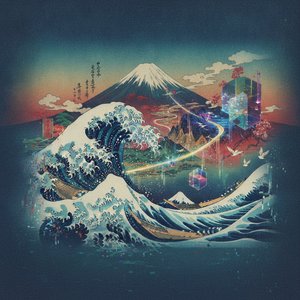
Beyond the Great Wave: The High-Impact Visual Revolution of Japanese Landscape Art
Go beyond Hokusai's Great Wave. Explore the high-impact, graphic world of Japanese Ukiyo-e landscapes and urban prints. Discover how these bold, vibrant woodblock masterpieces continue to shape modern pop culture and contemporary design aesthetics.
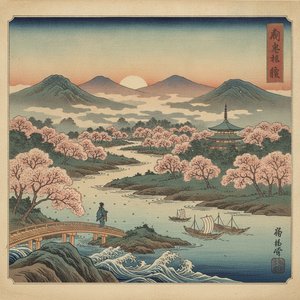
Zen on Canvas: The Timeless Artistry and Spiritual Depth of Japanese Landscape Painting
Explore the profound beauty of Japanese landscape painting. From Hokusai's iconic vistas to Zen-inspired compositions, discover the spiritual depth and historical mastery of Ukiyo-e art in this expert cultural retrospective.

Katsushika Hokusai: Las 25 Obras Maestras del Ukiyo-e que Transformaron el Arte Japonés | OriginalUniqueArt
Descubre las 25 obras maestras de Katsushika Hokusai, el genio del ukiyo-e. Explora 'La Gran Ola', paisajes japoneses y su impacto en el arte moderno. Reproducciones de alta calidad para tu hogar en OriginalUniqueArt.com.

Timeless Elegance: Capturing the Spirit of Japanese Culture Through the Lens of Ukiyo-e Fine Art
Explore the profound beauty of Japanese Ukiyo-e art. Discover the legacy of Hokusai and the Utagawa school through an expert exploration of Edo-period aesthetics, seasonal motifs, and the enduring global influence of Japan's 'Floating World' on fine art history.

Floating Worlds: The Captivating Magic and Timeless Legacy of Japanese Ukiyo-e Art
Explore the ephemeral beauty of Japanese Ukiyo-e art. From the dynamic warriors of Kuniyoshi to serene landscapes, discover the profound history, masterful techniques, and global influence of these iconic woodblock prints in our deep cultural retrospective.