Ver en contexto
 Enviar
 Compartir
 Detalles
 Guía
Guía

 Descargar
 Similares
 Radiografía
 Presentación de diapositivas
 Q&A
Q&A Estadísticas
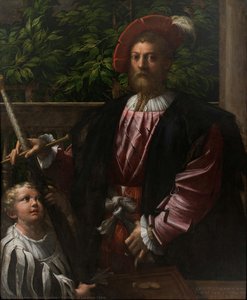
Santa Bárbara

- 40.0 x 33.0 cm


 Ver más
Giclée / Impresión de arte
Impresiones giclée o en lienzo de calidad de museo con producción rápida y opciones de acabado flexibles. ( Comprar pintura hecha a mano Cambiar a imagen digital)




P118B €10

P118H €10

P118W €10

P438Z €10

P508JH €12

P508YH €12

P805H €10

P805Z €10

P919BZ €10

P919G €10

P919XJ €10

P959ZH €10

P968JZ €12

W106C €8

W218G €10

W218JH €8

W218Y €10

W307PJ €10

W316G €10

W316PJ €8

W316Y €10

W398PJ €8

W4111J €10

W500HY €15

W500JH €15

W692G €12

W849H €8

W940BG €15

W953PJ €8




Elija entre nuestros tamaños predefinidos que respetan las proporciones originales de la obra.

Introduzca el ancho y el alto que necesite para adaptarse a su marco o pared. Una impresión solo puede recortarse, nunca hacerse más grande que la imagen original, por lo que un tamaño con una forma distinta perderá parte de la obra. Le enviaremos una maqueta digital para su aprobación antes de realizar cualquier impresión. La imagen que se muestra en esta página no refleja el recorte real; solo la maqueta lo hace.
Envío a todo el mundo () en 2 semanas en lugar de las 4/5 semanas estándar. (1 noviembre)

Envío exprés gratuito a todo el mundo

Lienzo de lino de alta calidad

Seguro de envío total

Garantía de reembolso de aranceles aduaneros

Garantía de fidelidad cromática exacta

Política de devolución de 100 días (solo por defectos)

Garantía de devolución del 100% del dinero

Descuento por cantidad
 La opción de vidrio solo está disponible en tamaños inferiores a 110 cm.

Santa Bárbara
Giclée / Impresión de arte
Dimensiones de la reproducción
-


Precio total final
€ 71
Una Visión de Gracia Manierista
En el delicado juego de luces y sombras de la obra Santa Bárbara de Parmigianino, se percibe una transición profunda en la historia del arte occidental. Completada alrededor de 1523, este exquisito óleo sobre tabla funciona como un puente conmovedor entre la armonía equilibrada del Alto Renacimiento y la elegancia expresiva, y a menudo inquietante, del Manierismo. La pintura captura a Santa Bárbara no solo como un icono religioso, sino como un estudio de profundidad psicológica y belleza etérea. Mientras se arrodilla ante el crucifijo, su postura irradia una quietud que es, a la vez, serena y cargada con el peso de su inminente martirio. Existe una intimidad innegable en su devoción, una fuerza silenciosa que invita al espectador a trascender la superficie de la pintura para adentrarse en un espacio de profunda contemplación.
La maestría técnica del artista es más evidente en su uso del sfumato, esa sutil y brumosa transición de tonos que disuelve los contornos rígidos. Este método crea una neblina atmosférica alrededor del rostro y las manos de la santa, otorgándole una cualidad de otro mundo, casi translúcida. Parmigianino se aleja deliberadamente de la rigidez anatómica de sus predecesores, optando en su lugar por una sensualidad refinada y un ligero alargamiento de las formas que caracteriza al estilo manierista. El suave rosa de sus vestiduras y la rica y fluida textura de su cabello pelirrojo están plasmados con tal luminosidad que la figura parece brillar desde su interior, proporcionando un contraste impactante con los sombríos símbolos religiosos que la rodean.
Simbolismo y Resonancia Emocional
Cada elemento dentro de esta obra maestra de pequeña escala está imbuido de un significado simbólico, diseñado para evocar un sentido de fortaleza espiritual. El crucifijo, posicionado como el punto focal de su devoción, actúa como un poderoso emblema de fe, redención y sacrificio supremo. Para el coleccionista o el amante del arte, la pintura ofrece más que un simple placer visual; proporciona una ventana a las ansiedades y al fervor religioso de principios del siglo XVI. La tensión entre la belleza delicada e idealizada de la santa y la cruda realidad de su destino crea una complejidad emocional que sigue cautivando siglos después.
Para aquellos que buscan integrar una pieza tan profunda en un interior cuidadosamente curado, Santa Bárbara ofrece una oportunidad única para introducir un sentido de peso histórico y gracia sofisticada. Ya sea exhibida en un estudio tranquilo o como pieza central en un espacio habitable de estilo galería, una reproducción de alta calidad de esta obra aporta consigo un aura de profundidad intelectual y elegancia atemporal. Es una pieza que no se limita a decorar una pared, sino que enriquece la atmósfera misma de una estancia, incitando al diálogo y a la reflexión a través de su magistral combinación de brillantez técnica y narrativa conmovedora.
Preguntas y respuestas
¿Cuál es el tono predominante de "Santa Bárbara" de Parmigianino?
El tono dominante de "Santa Bárbara" de Parmigianino es Gama de amarillos dorados. Este color constituye la base cromática de la paleta.
¿Qué representa "Santa Bárbara" de Parmigianino?
Los temas de "Santa Bárbara" son madonna, santa bárbara, renacimiento, pintura, figura religiosa, italia, pintura sobre tabla.
¿Cómo puedo descubrir obras de arte similares a "Santa Bárbara" de Parmigianino?
La página de Obras similares de "Santa Bárbara" de Parmigianino muestra obras relacionadas.
Biografía del artista
A Refined Sensibility: The Life and Art of Parmigianino
Girolamo Francesco Maria Mazzola, known to history as Parmigianino – “the little one from Parma” – emerged during the High Renaissance, yet swiftly became a defining figure of the burgeoning Mannerist style. Born in Parma on January 11, 1503, his early life was marked by familial loss; his father, Filippo Mazzola, died when Girolamo was just two years old. Raised by his uncles, Michele and Pier Ilario, both modestly skilled artists themselves, the young Parmigianino received his initial artistic training within this familial circle. This foundation, however, proved merely a springboard for an exceptional talent that would soon eclipse even his mentors. By the astonishing age of eighteen, he had already completed the Bardi Altarpiece, a work demonstrating a maturity and sophistication far beyond his years, signaling the arrival of a truly remarkable artist. The Bardi Altarpiece, with its innovative composition and refined details, immediately established Parmigianino as a force to be reckoned with in the Florentine art world.Florence, Rome, and the Shaping of a Mannerist Vision
Parmigianino’s artistic journey led him to Florence around 1524, where he absorbed the influence of masters like Raphael and Leonardo da Vinci, though he quickly began to forge his own distinct path. He presented Pope Clement VII with three paintings, including a striking self-portrait in a convex mirror – a testament to his technical skill and burgeoning self-awareness. This act secured commissions in Rome, but the city’s artistic landscape was soon disrupted by the tumultuous Sack of 1527. Forced to flee, Parmigianino sought refuge in Bologna, where he painted one of his most celebrated works, the *Holy Family*. It was during this period that his signature style truly crystallized: elongated forms, graceful poses, and a refined sensuality became hallmarks of his art. He wasn’t merely depicting reality; he was reimagining it through a lens of elegance and idealized beauty. This departure from the High Renaissance's emphasis on naturalism marked him as a key innovator of Mannerism, an artistic movement characterized by its artificiality, sophistication, and deliberate distortion of classical forms. The influence of Correggio is particularly evident in his early works, while the dynamism of Michelangelo’s figures can be seen in his later compositions.Masterpieces of Elongation and Grace
Parmigianino’s legacy rests upon a relatively small but profoundly influential body of work. The *Madonna with the Long Neck* (1534) remains perhaps his most iconic creation. Its unsettling yet captivating composition, featuring figures with elongated necks and limbs, challenges conventional notions of beauty and proportion. This deliberate distortion isn't simply stylistic; it conveys a sense of spiritual yearning and otherworldly grace. Similarly, *Vision of Saint Jerome* (1527), completed during his time in Rome, showcases his mastery of anatomy and perspective, while simultaneously embracing the Mannerist penchant for dramatic compositions and emotional intensity. Beyond these celebrated paintings, Parmigianino’s drawings reveal an extraordinary level of skill and sensitivity. His studies of figures, drapery, and architectural elements demonstrate a meticulous attention to detail and a profound understanding of form. Even his lesser-known works, such as *Bow-Carving Amor*, display the same refined sensibility and technical virtuosity that define his oeuvre. His work is characterized by an exquisite balance between elegance and tension, creating images that are both visually stunning and psychologically complex.A Legacy Interrupted: Parmigianino’s Final Years
Tragically, Parmigianino's promising career was cut short by his untimely death in Casalmaggiore in 1540 at the age of thirty-seven. The circumstances surrounding his demise remain somewhat mysterious; some accounts suggest he succumbed to a fever, while others hint at complications from a fall. Despite his brief life, Parmigianino left an indelible mark on Italian Renaissance art. He stands as one of the most important representatives of Mannerism, influencing generations of artists with his elegant style and innovative approach to form and composition. His work continues to captivate viewers today, offering a glimpse into a world where beauty is not merely observed but actively created – a testament to the enduring power of artistic vision. The frescoes he left unfinished in Parma and Fontanellato serve as poignant reminders of what might have been, yet even in their incomplete state, they reveal the brilliance of a master whose legacy continues to resonate through the centuries. His influence can be seen in artists who followed, adapting and expanding upon his distinctive style.
Parmigianino
1503 - 1540 , Italia
Datos clave
- Artistic Movement Or Style: Manierismo
- Artists Or Movements Influenced By This Artist: ['Renacimiento Italiano']
- Artists Who Influenced This Artist:
- Correggio
- Rafael
- Date Of Birth: 11 de enero de 1503
- Date Of Death: 24 de agosto de 1540
- Full Name: Girolamo Francesco Maria Mazzola
- Nationality: Italiano
- Notable Artworks:
- Madonna con el cuello largo
- Visión de San Jerónimo
- Autorretrato en espejo convexo
- Place Of Birth: Parma, Italia
Artículos relacionados

Óleo sobre Tabla: El Secreto de la Durabilidad y el Brillo en las Grandes Obras Maestras
Descubre la ciencia y técnica del óleo sobre tabla y su durabilidad histórica. Explora el secreto de los grandes maestros ahora.
Las 10 Obras Maestras al Óleo sobre Panel que Transformaron la Historia del Arte |
Descubre las 10 obras maestras al óleo sobre panel que revolucionaron la historia del arte. Explora a Jan van Eyck, Botticelli y otros genios renacentistas. Reproducciones de arte exclusivas en para transformar tu hogar.

El Óleo sobre Lienzo: Historia, Técnica y la Persistencia de un Medio Artístico Atemporal
Descubre la historia y técnica del óleo sobre lienzo. Explora reproducciones fieles hechas a mano, personalización artística y consejos de expertos con OriginalUniqueArt. ¡Colecciona arte con confianza!
Oil on Panel: A Historical Survey of Technique, Support & Aesthetic Evolution
Explore the rich history of oil on panel painting! Discover Renaissance techniques, support structures & aesthetic evolution. Expert insights for art collectors and enthusiasts.

La Esencia del Óleo sobre Tabla: Luz, Técnica y Permanencia en el Arte Clásico
Descubre la maestría técnica del óleo sobre tabla y su historia. Explora el legado de los grandes maestros aquí.