

 Compartir
 Compartir
 Ver detalles
 Guía
Guía

 Descargar
 Ver artículos similares
 Presentación de diapositivas
 Estadísticas
Cape fragment


 Leer más
Giclée / Impresión de arte
Impresiones giclée o en lienzo de calidad de museo con producción rápida y opciones de acabado flexibles. ( Encargar reproducción pintada a mano Ver versión en imagen digital)




































Elija entre nuestros tamaños predefinidos que respetan las proporciones originales de la obra.

Puede introducir sus propias dimensiones para adaptarse a un marco o espacio específico. Si el tamaño seleccionado no coincide con las proporciones de la imagen original, recortaremos la obra de arte o extenderemos la imagen con un borde con efecto espejo o de color sólido. Se enviará una maqueta digital para su aprobación antes de que comience la producción.
Tenga en cuenta que la vista previa en pantalla no refleja el recorte o la extensión real. Solo la maqueta mostrará con precisión la composición final.
Aunque existen tamaños personalizados, recomendamos seleccionar una dimensión de la lista predefinida para preservar las proporciones originales.
Envío a todo el mundo () en 2 semanas en lugar de las 4/5 semanas estándar. (25 septiembre)

Envío exprés gratuito a todo el mundo

Lienzo de lino de alta calidad

Seguro de envío completo

Garantía de reembolso de impuestos aduaneros

Garantía de fidelidad cromática exacta

Política de devolución de 100 días (solo por defectos)

Garantía de devolución del 100% del dinero

Oferta por volumen
 La opción de vidrio solo está disponible en tamaños inferiores a 110 cm.

Cape fragment
Giclée / Impresión de arte
Tamaño de la reproducción
-


Precio total
$ 80
A Tapestry of Time: The Whispers of Paracas
To gaze upon this Cape fragment is to witness a direct, tactile connection to the ancient souls of Peru’s southern coast. Dating back to approximately 200 CE, this textile is far more than a mere remnant of cloth; it is a rhythmic dance of human presence captured in fiber. The piece features an intricate, almost hypnotic pattern of hands, arranged in various positions and sizes across the fabric. Some hands appear large and commanding, while others are delicate and small, creating a visual movement that suggests a communal ritual or a collective memory preserved through weaving. This arrangement of limbs creates a sense of unity and interconnectedness, inviting the viewer to contemplate the shared humanity that transcends two millennia.
The technique behind this masterpiece reveals the profound ingenuity of the Paracas culture. These ancient artisans were masters of their environment, utilizing the abundant cotton of the Peruvian coast to create canvases for their expression. What makes this specific fragment truly extraordinary is the rumored use of organic pigments derived from the sea. Researchers suggest that the application of mollusk blood allowed for a vibrant, albeit fleeting, color palette that required rapid, decisive execution by the shoreline before the substance could oxidize and change. This element of urgency adds a layer of poetic drama to the work—each stroke of pigment was a race against time, capturing the essence of life as it happened.
For the discerning collector or interior designer, this reproduction offers a profound sense of historical depth and organic texture. The neutral tones of the ancient cotton, punctuated by the rhythmic motifs, provide a sophisticated focal point that complements both minimalist modern spaces and richly layered, eclectic interiors. It is not merely a decoration but an evocative conversation piece that brings the spirit of Andean craftsmanship into the contemporary home. Owning such a piece means hosting a fragment of history, a silent witness to a civilization that found beauty in the ephemeral and strength in the woven thread.
Beyond its aesthetic allure, the Cape fragment carries an emotional weight that is difficult to ignore. There is a haunting intimacy in the depiction of hands—the very tools of creation and survival. These motifs serve as symbols of labor, artistry, and the human touch, reminding us of the enduring legacy of the Paracas people. As light hits the textured surface of a high-quality reproduction, the interplay of shadows within the woven pattern brings the ancient design to life, offering an atmosphere of contemplative peace and timeless elegance to any curated collection.
Biografía del artista
The Legacy of Paracas Culture
The Paracas culture, flourishing between approximately 800 BCE and 100 BCE along Peru’s arid Pacific coast, represents a remarkable achievement in Andean art and craftsmanship. Primarily known for its breathtaking textiles—considered among the finest ever produced by pre-Columbian societies—the culture also left an indelible mark on ceramic artistry, reflecting their sophisticated understanding of materials and techniques. Excavations at sites like Wari Kayan and the Paracas Peninsula have yielded invaluable insights into this enigmatic civilization.Origins and Environment
Located in what is now the Ica Region, the Paracas people thrived in a challenging environment characterized by extreme aridity and proximity to the ocean. This landscape profoundly shaped their worldview and artistic expression. The scarcity of resources necessitated innovative solutions for survival—particularly in agriculture—but it also fostered a rich cultural heritage centered on ritualistic practices and elaborate social organization. Evidence suggests that these communities practiced complex irrigation systems, demonstrating an impressive mastery of engineering skills. Their cosmology was deeply intertwined with the cycles of rainfall and harvest, influencing their artistic motifs and beliefs about the afterlife. The arid desert environment inspired artists to depict stylized representations of marine animals—particularly fish—which served as central symbols in Paracas textiles and ceramics.Textile Art: A Symbol of Ritual and Status
The Paracas necropolis stands as testament to the unparalleled skill of Paracas weavers. Burial sites—particularly the Shaft Tombs of Cerro Colorado—contain meticulously crafted textiles wrapped around deceased individuals, often seated in a posture facing north across the bay. These textiles are adorned with intricate geometric patterns—primarily stylized fish motifs—and employ remarkable weaving techniques that combine horizontal and vertical threads to create incredibly dense fabrics. The colors employed were derived from natural pigments extracted from plants and minerals, resulting in vibrant hues that endure to this day. Beyond mere decoration, these textiles served as powerful symbols of status and spiritual beliefs, reflecting the deceased’s position within the social hierarchy and their connection to ancestral spirits. Researchers believe that the orientation of the tombs—facing north—was deliberate, aligning with celestial observations and reinforcing notions of cosmic order. The meticulous layering of fabrics—often exceeding 30 layers—demonstrates an astonishing level of technical precision and artistic dedication.Ceramic Innovation: Negative Resist Decoration
Paracas ceramics are equally impressive for their artistic innovation. Unlike many other Andean cultures that utilized positive resist techniques—where pigment is applied to protect areas from staining—the Paracas employed negative resist decoration. This method involved applying a thin layer of clay over a surface decorated with incised designs, then removing the exposed clay to reveal the underlying pattern. The resulting surfaces are remarkably smooth and polished, showcasing exceptional craftsmanship. Furthermore, Paracas ceramics exhibit distinctive patterns—such as ‘checkerboard’ designs—that appear to be influenced by Nazca culture, suggesting cultural exchange between these two prominent Andean societies. These techniques represent a significant departure from conventional ceramic production methods of the time, highlighting the Paracas culture's intellectual curiosity and artistic experimentation. The geometric precision achieved in negative resist decoration underscores the importance of mathematical concepts within Paracas cosmology.Historical Significance and Enduring Influence
The Paracas culture’s legacy extends far beyond its artistic achievements. Archaeological discoveries continue to illuminate aspects of their daily life, social structure, and religious beliefs. The meticulous preservation of burial sites—particularly the Shaft Tombs—provides invaluable evidence for reconstructing Andean funerary rituals. Moreover, the exquisite textiles produced by Paracas artisans have captivated scholars and artists alike, inspiring reinterpretations in contemporary art forms. Their mastery of weaving techniques remains a source of fascination and admiration, demonstrating the enduring power of ancient Andean artistry to resonate with audiences across time and space. The Paracas culture’s contribution to textile arts is recognized as one of the most accomplished fiber arts ever created. Its influence can be seen in later Andean artistic traditions, solidifying its place as a cornerstone of Peruvian cultural heritage.
Cultura Paracas
Peru
Datos clave
- Artistic Movement Or Style: Textile Arts
- Artists Or Movements Influenced By This Artist: ['Nazca Culture']
- Full Name: Paracas Culture
- Nationality: Andean
- Notable Artworks: ['Double neck vase with bridge handle']
- Place Of Birth: Peru
Artículos relacionados

The Art of Touch: Exploring Masterpieces That Capture the Power of Human Hands
Explore the profound emotive power of hands in art history. From Dürer’s anatomical precision to Van Gogh’s expressive gestures, discover how masterworks capture human touch and connection through timeless oil paintings and fine art studies.

Mariano Fortuny: A Fusion of Art, Fashion & Design – Exploring a Venetian Innovator's Legacy
Explore the captivating world of Mariano Fortuny – artist, designer & innovator. Discover his revolutionary textiles, iconic Delphos gown, and lasting influence on art, fashion & interiors. A collector's guide to a Venetian master.
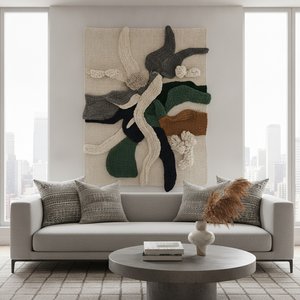
Beyond Canvas: Why Textile Art is the Next High-Impact Trend for Modern Interior Design
Discover why textile art is the next major trend in interior design. Explore how tactile fibers, bold textures, and sustainable mixed media are redefining modern urban spaces and bringing high-impact energy to contemporary collections.
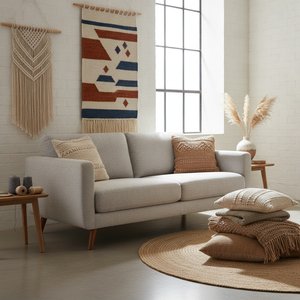
Woven Wonders: A Beginner's Guide to Elevating Your New Home with Timeless Textile Art
Discover how to transform your new home with the warmth of textile art. Our expert guide for newlyweds explores handwoven tapestries, tactile fibers, and timeless ways to curate a soulful, sophisticated interior through beautiful woven wonders.

Beyond the Canvas: Unveiling the Timeless Grandeur and Tactile Artistry of Textile Masterpieces
Embark on a sophisticated journey through the tactile realm of textile art. Unveil the historical evolution from utilitarian craft to museum-grade masterpieces, exploring the intricate textures and legendary artists that redefine the boundaries of fine art.