
 Vista previa
 Compartir
 Compartir
 Ver detalles

 Descargar
 Ver similares
 Radiografía
 Presentación de diapositivas
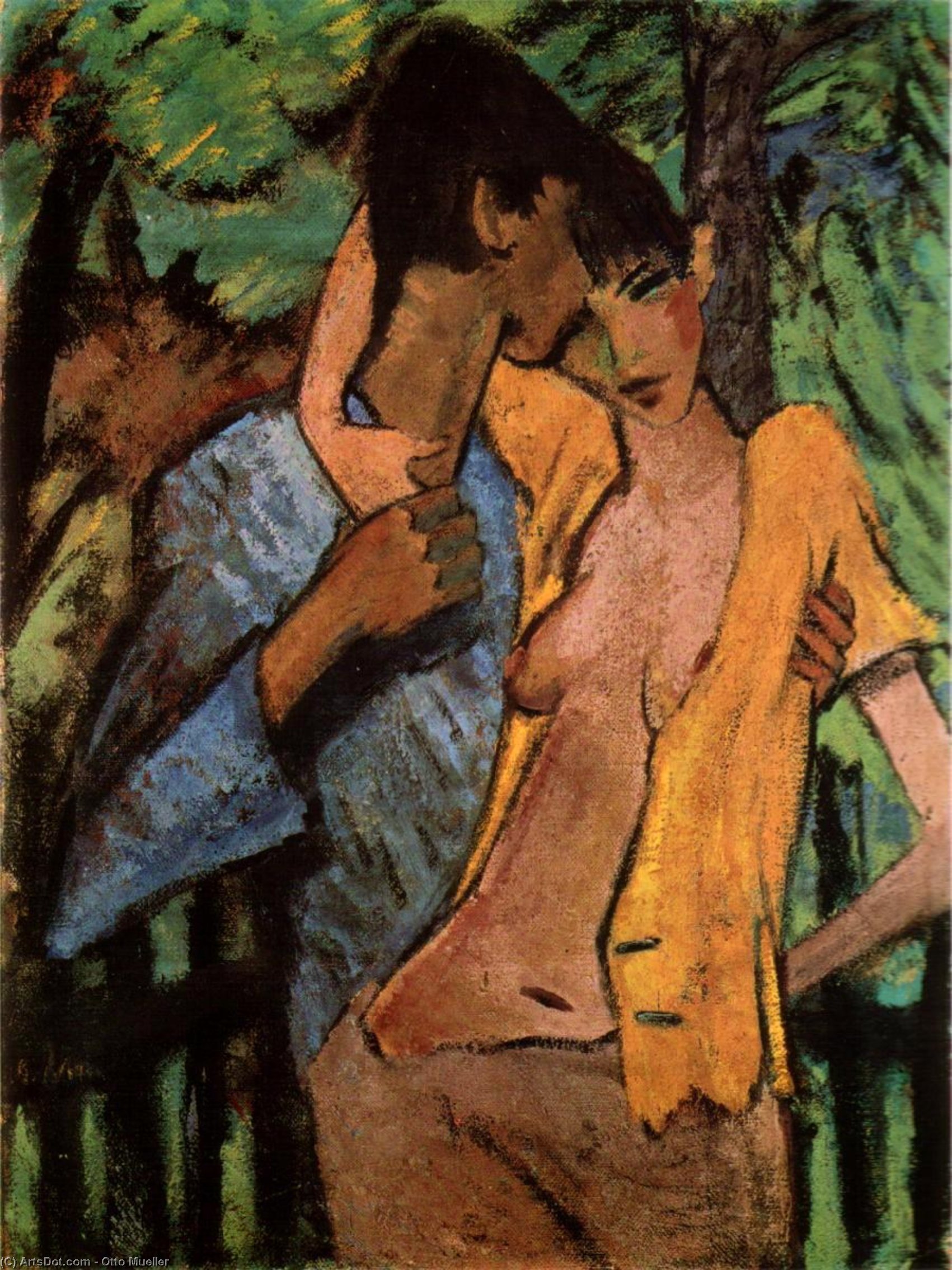
Liebespaar


 Leer más
Reproducción al óleo hecha a mano
Óleo sobre lienzo pintado a mano en el tamaño y marco de su elección, realizado por encargo por nuestros artistas. ( Cambiar a impresión Cambiar a imagen)




P118B $10

P118H $10

P118W $10

P438Z $10

P508JH $12

P508YH $12

P805H $10

P805Z $10

P919BZ $10

P919G $10

P919XJ $10

P959ZH $10

P968JZ $12

W106C $8

W218G $10

W218JH $8

W218Y $10

W307PJ $10

W316G $10

W316PJ $8

W316Y $10

W398PJ $8

W4111J $10

W500HY $15

W500JH $15

W692G $12

W849H $8

W940BG $15

W953PJ $8




Elija entre nuestros tamaños predefinidos que respetan las proporciones originales de la obra.

Puede ingresar sus propias dimensiones para adaptarse a un marco o espacio específico. Si el tamaño seleccionado no coincide con las proporciones de la imagen original, recortaremos la obra o extenderemos la pintura con elementos adicionales pintados a mano. Se le enviará una maqueta digital para su aprobación antes de comenzar la producción.
Tenga en cuenta que la vista previa en pantalla no refleja el recorte o la extensión reales. Solo la maqueta mostrará con precisión la composición final.
Si bien existen tamaños personalizados, recomendamos seleccionar una dimensión de la lista predefinida para preservar las proporciones originales.
Tras realizar el pedido, el equipo de OriginalUniqueArt.com enviará un correo electrónico al cliente para solicitar instrucciones y proporcionarle una vista previa del boceto.
Envío a todo el mundo () en 3-4 semanas en lugar de las 5 semanas estándar. (11 agosto). Sin comprometer la calidad.

Envío exprés gratuito a todo el mundo

Lienzo de lino de alta calidad

Seguro de envío completo

Garantía de reembolso de aranceles aduaneros

Garantía de fidelidad cromática exacta

Política de devolución de 60 días (solo por defectos)

Garantía de devolución del 100% del dinero

Oferta por volumen
 La opción de vidrio solo está disponible en tamaños inferiores a 110 cm.

Liebespaar
Técnica de reproducción
Tamaño de la reproducción
-


Precio total
$ 300
Descripción de la obra
Liebespaar: A Tender Moment Captured in Expressionist Brilliance
Otto Mueller’s “Liebespaar” (“Lovers”), completed in 1919, stands as a cornerstone of German Expressionism and exemplifies the movement's profound exploration of emotion and psychological depth. Housed at the Museum der Bildenden Künste Leipzig, this painting transcends mere depiction; it strives to convey an intangible feeling—the quiet intimacy of connection amidst the turbulent backdrop of the era.Subject Matter and Composition
The artwork portrays a man and woman standing close together before a solitary tree. The woman leans her head against the man’s shoulder, conveying vulnerability and affection. Their gaze is directed off-camera, hinting at unspoken thoughts and fostering an aura of mystery. Two figures in the background observe them silently, adding to the scene's complexity and suggesting a broader narrative about human relationships and observation. Mueller skillfully utilizes geometric shapes—primarily rectangles and triangles—to create a balanced composition that emphasizes stability while simultaneously capturing movement through subtle gestures.Style and Technique: Distemper on Hessian Canvas
Mueller’s distinctive style is characterized by simplification and abstraction, prioritizing emotional resonance over realistic representation. He employed distemper paint on hessian canvas – a technique favored by Expressionist artists – which produced a matte surface that enhanced the painting's textural qualities. The artist meticulously crafted lines with decisive strokes, conveying a sense of urgency and capturing the essence of human emotion. Mueller’s masterful use of color—primarily muted yellows and browns—creates an atmosphere of warmth and melancholy, reflecting the psychological state of the figures depicted.Historical Context: Embracing Expressionism Amidst Uncertainty
“Liebespaar” emerged during a period of significant social upheaval in Germany following World War I. The Expressionist movement sought to express inner turmoil and disillusionment with societal norms, rejecting academic conventions in favor of subjective experience. Mueller’s work aligns perfectly with this artistic impulse, reflecting the anxieties and hopes of a generation grappling with trauma and searching for new forms of spiritual expression. The painting's creation coincided with the rise of ‘Die Brücke,’ a group of artists committed to challenging established aesthetic standards and exploring themes of solitude and alienation.Symbolism: Harmony Amidst Discord
The tree serves as a symbol of resilience and grounding, representing stability amidst emotional turbulence. The woman’s gesture of leaning against the man embodies tenderness and support—a visual representation of intimacy and connection. Mueller's deliberate use of color contributes to the painting's symbolic significance, conveying feelings of melancholy and longing. The figures in the background represent an awareness of the wider world, highlighting the individual's place within a larger context of human experience.Emotional Impact: A Moment Frozen in Time
“Liebespaar” succeeds in capturing a fleeting moment of profound emotion—the quiet beauty of love and companionship. Mueller’s masterful technique evokes a sense of vulnerability and tenderness, inviting viewers to contemplate the complexities of human relationships. The painting's muted palette and simplified forms contribute to its contemplative atmosphere, prompting reflection on themes of intimacy, connection, and the enduring power of human emotion. It remains a testament to Mueller’s ability to distill complex psychological states into visually arresting imagery—a timeless depiction of love’s delicate balance.Biografía del artista
**Primeros años y formación**
Otto Müller, pintor e impresor alemán, nació el 16 de octubre de 1874 en Liebau (actualmente Lubawka, condado de Kamienna Góra), Kreis Landeshut, Silesia, Polonia. Entre 1890 y 1892, se formó en litografía en Görlitz y Breslau. De 1894 a 1896, Müller estudió en la Academia de Bellas Artes de Dresde y continuó sus estudios en Múnich desde 1898.**Evolución artística y expresionismo**
Los primeros trabajos de Müller estuvieron influenciados por el impresionismo, el Jugendstil y el simbolismo. Sin embargo, al establecerse en Berlín en 1908, su estilo se volvió más expresionista. Durante este período, interactuó con figuras notables como Wilhelm Lehmbruck, Rainer Maria Rilke y Erich Heckel. En 1910, Müller se unió al grupo de Dresde 'Die Brücke', un momento crucial en su viaje expresionista.**Obras destacadas y estilo**
Las pinturas de Müller a menudo presentaban la unidad de los humanos y la naturaleza, caracterizadas por una simplificación armoniosa de la forma, el color y los contornos. Sus obras notables incluyen:- Paisajes inspirados en 'La noche estrellada'.
- Nudos expresivos y mujeres romaníes (gitanas), lo que le valió el apodo de "Gypsy Müller".
- Uso de témpera sobre lienzo grueso para un acabado superficial mate.
- Un prolífico impresor con casi todas sus grabados siendo litografías, junto con algunos grabados y aguafortas.
**Legado e impacto posterior a la guerra**
Müller luchó como soldado alemán en Francia y Rusia durante la Primera Guerra Mundial. Después de la guerra, se convirtió en profesor de la Akademie der Bildenden Künste en Breslau hasta su muerte el 24 de septiembre de 1930. En 1937, los nazis incautaron 357 de sus obras de museos alemanes, considerándolas "arte degenerado".**Influencias y desarrollo artístico**
La obra de Müller muestra una fascinación por la figura humana, especialmente las mujeres romaníes, retratadas con una sensibilidad única que combina elementos expresionistas y simbolistas. Su estilo se desarrolló a partir de influencias iniciales impresionistas y Jugendstil, pero evolucionó hacia una expresión más personal y emotiva al unirse a 'Die Brücke'. La simplificación de las formas, el uso audaz del color y la representación de figuras en entornos naturales son características distintivas de su obra. Su interés por la cultura romaní no solo se reflejó en sus retratos, sino también en su búsqueda de una conexión más profunda entre el ser humano y la naturaleza.
Otto Müller
1874 - 1930 , Polonia
Datos clave
- Artistas Que Influyeron:
- Wilhelm Lehmbruck
- Rainer Maria Rilke
- Erich Heckel
- Fecha De Fallecimiento: 24 de septiembre de 1930
- Fecha De Nacimiento: 16 de octubre de 1874
- Lugar De Nacimiento: Liebau, Polonia
- Movimiento Artístico: Expresionismo
- Nacionalidad: Alemán
- Nombre Completo: Otto Mueller
- Obras Notables:
- Paisajes inspirados en La noche estrellada
- Retratos de mujeres romaníes (gitanas)
Artículos relacionados

Expresionismo Alemán: 10 Obras Maestras que Transformaron el Arte | OriginalUniqueArt
Descubre las 10 obras maestras del Expresionismo Alemán: Kirchner, Munch y más. Explora la historia, técnica y emoción detrás de estos lienzos icónicos. Reproducciones de arte de museo en OriginalUniqueArt.com. ¡Inspira tu hogar con arte!
El Grito Visceral de una Nación: Explorando la Emoción y la Distorsión en el Expresionismo Alemán
Descubre el expresionismo alemán en profundidad. Analizamos sus orígenes, artistas clave como Kirchner y Kandinsky, técnicas innovadoras y su impacto duradero en el arte moderno. Guía para coleccionistas.

Unmasking Emotion: A Journey Through the Raw Power and Visceral Beauty of German Expressionism
Explore the raw emotional power of German Expressionism. From Kirchner to Die Brücke, discover how artists used distortion and vibrant color to unmask the human psyche. A deep dive into art history for the discerning collector and enthusiast.
The Visceral Language of Emotion: Exploring Expressionism's Impact on 20th-Century Art
Explore the powerful world of Expressionism! Discover key artists like Kirchner & Nolde, understand its emotional impact, and learn about this revolutionary art movement's lasting legacy. Expert insights for collectors & enthusiasts.
Unmasking Emotion: A Definitive Guide to the Raw Power and Visceral Beauty of German Expressionism
Explore the visceral power of German Expressionism. From Ernst Ludwig Kirchner to Die Brücke, discover how bold colors and distorted forms unmask raw human emotion in this expert art history guide for collectors and enthusiasts.


