
 Vista previa
 Compartir
 Compartir
 Ver detalles

 Descargar
 Ver similares
 Radiografía
 Presentación de diapositivas
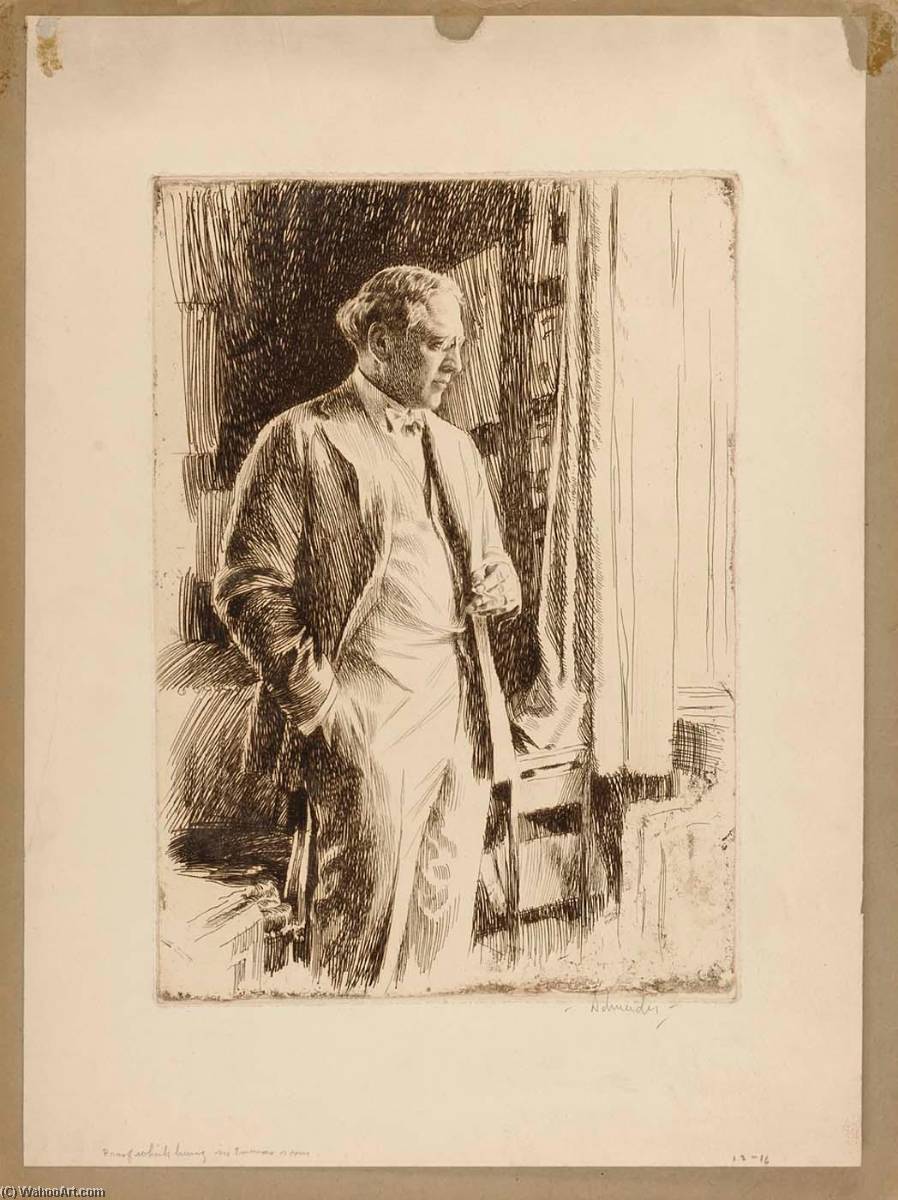
Jacob M. Loeb

 Leer más
Reproducción al óleo hecha a mano
Óleo sobre lienzo pintado a mano en el tamaño y marco de su elección, realizado por encargo por nuestros artistas. ( Pedir impresión Comprar descarga)




































Elija entre nuestros tamaños predefinidos que respetan las proporciones originales de la obra.

Puede ingresar sus propias dimensiones para adaptarse a un marco o espacio específico. Si el tamaño seleccionado no coincide con las proporciones de la imagen original, recortaremos la obra o extenderemos la pintura con elementos adicionales pintados a mano. Se le enviará una maqueta digital para su aprobación antes de comenzar la producción.
Tenga en cuenta que la vista previa en pantalla no refleja el recorte o la extensión reales. Solo la maqueta mostrará con precisión la composición final.
Si bien existen tamaños personalizados, recomendamos seleccionar una dimensión de la lista predefinida para preservar las proporciones originales.
Tras realizar el pedido, el equipo de OriginalUniqueArt.com enviará un correo electrónico al cliente para solicitar instrucciones y proporcionarle una vista previa del boceto.
Envío a todo el mundo () en 3-4 semanas en lugar de las 5 semanas estándar. (21 agosto). Sin comprometer la calidad.

Envío exprés gratuito a todo el mundo

Lienzo de lino de alta calidad

Seguro de envío completo

Garantía de reembolso de aranceles aduaneros

Garantía de fidelidad cromática exacta

Política de devolución de 60 días (solo por defectos)

Garantía de devolución del 100% del dinero

Oferta por volumen
 La opción de vidrio solo está disponible en tamaños inferiores a 110 cm.

Jacob M. Loeb
Técnica de reproducción
Tamaño de la reproducción
-


Precio total
$ 300
Biografía del artista
Otto J. Schneider (1875–1946): Bridging Realism and Impressionistic Vision
Otto J. Schneider (1875-1946) was a Hungarian painter who emerged as a prominent figure in the burgeoning landscape movement of the early 20th century, skillfully blending realism with elements of Impressionism to capture the essence of the American West and Hungarian countryside alike. Born in Budapest, Schneider’s artistic journey began amidst the Austro-Hungarian Empire's cultural dynamism, fostering an appreciation for both classical traditions and innovative stylistic explorations.- Early Influences: Schneider’s formative years were marked by exposure to European art trends—particularly Impressionism—which profoundly shaped his aesthetic sensibilities. Artists like Claude Monet and Camille Pissarro served as crucial inspirations, encouraging him to prioritize capturing fleeting moments of light and color in his canvases.
- American Landscape Painting: Recognizing the allure of the American frontier, Schneider embarked on expeditions to Wyoming and Montana during the 1920s and 30s. These travels fueled his dedication to portraying expansive vistas with meticulous detail—often utilizing techniques reminiscent of Impressionistic brushwork—resulting in iconic depictions of mountains, prairies, and sunsets.
Schneider’s Artistic Style: A Synthesis of Observation and Emotion
Schneider's distinctive style distinguished itself through a careful balance between objective observation and subjective emotional expression. He meticulously studied geological formations and atmospheric conditions to accurately represent the landscapes he encountered, yet simultaneously infused his paintings with palpable feelings—a testament to his ability to convey both visual precision and psychological depth. His masterful use of color palettes—often favoring muted hues—created an atmosphere that mirrored the grandeur and serenity of the natural world.- Technique: Schneider favored a technique characterized by loose brushstrokes layered upon one another, allowing for subtle gradations of tone and hue. This approach effectively simulated the effects of sunlight filtering through clouds or reflecting off water surfaces—a hallmark of Impressionistic painting.
- Composition: Schneider’s compositions prioritized capturing panoramic views, emphasizing horizontal lines to convey a sense of openness and expanse. He skillfully positioned figures within these landscapes—often small in scale—to heighten their vulnerability against the immensity of nature.
Notable Works and Recognition
Schneider’s artistic legacy rests upon several celebrated paintings, including “Viseu, Portugal” (1947), a stunning portrayal of Portugal's Ribeira region—a testament to his ability to capture the beauty of European landscapes. Furthermore, he produced evocative portraits of Jacob M. Loeb – demonstrating remarkable attention to detail and capturing the subject’s gaze with dramatic lighting techniques. His dedication to documenting Native American culture through James Otto Lewis’s work cemented his place as a pioneer in portraying regional identity.- "Viseu, Portugal": This masterpiece exemplifies Schneider's Impressionistic style—characterized by vibrant color and textured brushwork—effectively conveying the atmosphere of Ribeira.
- "Jacob M. Loeb": Schneider’s portrait showcases masterful lighting and hatching techniques—reflecting his commitment to realism while simultaneously capturing the subject’s psychological presence.
Legacy and Influence
Otto J. Schneider's contribution to Hungarian art history remains significant, inspiring subsequent generations of painters who embraced Impressionistic principles. His unwavering pursuit of artistic excellence—coupled with his profound connection to the landscapes he depicted—solidified his reputation as a visionary artist whose work continues to resonate with audiences today.
otto j schneider
1875 - 1946
Datos clave
- Artistic Movement Or Style: Neue Sachlichkeit
- Artists Or Movements Influenced By This Artist: ['German Expressionism']
- Artists Who Influenced This Artist:
- James Otto Lewis
- Otto Dix
- Date Of Birth: 1875
- Date Of Death: 1946
- Full Name: Otto J. Schneider
- Nationality: Austrian
- Notable Artworks:
- Viseu, Portugal
- Jacob M. Loeb
- Place Of Birth: Vienna, Austria
Artículos relacionados

The Nuances of Graphite: Exploring Emotional Depth & Technical Mastery in Pencil Drawing
Explore the captivating world of graphite drawing! Discover its rich history, master essential techniques like chiaroscuro, and learn how artists evoke emotion through this timeless medium. Expert insights for art enthusiasts.

Mastering the Line: A Comprehensive Expert Guide to Technical Precision and Expressive Depth in Drawing
Elevate your artistic practice with this expert guide to mastering the line. Discover advanced techniques in graphite, charcoal, and contour drawing designed for art students seeking technical precision and expressive depth in their fine art studies.

The Art of the Line: A Masterclass in Drawing Techniques and the Evolution of Graphic Expression
Explore the profound history of drawing techniques, from Dürer's precision to the alchemy of graphite. Discover how masters use line, weight, and contour to capture the human spirit in this expert guide to art history and technical mastery.
The Power of Graphite: Mastering Depth, Texture, and Detail in the Art of Pencil Drawing
Explore the profound artistry of graphite drawing. Discover professional techniques for mastering depth, texture, and detail through a lens of art history, from classical sketches to modern masterpieces. Elevate your understanding of the pencil medium with our expert guide.

The Enduring Power of Line: Exploring Themes & Techniques in Drawing Across Art History
Explore the rich history of drawing! Discover key techniques like linear perspective & iconic artists from the Renaissance to modern times. Enhance your art appreciation with OriginalUniqueArt.

