Vista previa
 Compartir
 Compartir
 Ver detalles
 Guía
Guía

 Descargar
 Ver artículos similares
 Radiografía
 Presentación de diapositivas
 Estadísticas
Rest on the Flight to Egypt


 Leer más
Giclée / Impresión de arte
Impresiones giclée o en lienzo de calidad de museo con producción rápida y opciones de acabado flexibles. ( Encargar reproducción pintada a mano Ver versión en imagen digital)




P118B $10

P118H $10

P118W $10

P438Z $10

P508JH $12

P508YH $12

P805H $10

P805Z $10

P919BZ $10

P919G $10

P919XJ $10

P959ZH $10

P968JZ $12

W106C $8

W218G $10

W218JH $8

W218Y $10

W307PJ $10

W316G $10

W316PJ $8

W316Y $10

W398PJ $8

W4111J $10

W500HY $15

W500JH $15

W692G $12

W849H $8

W940BG $15

W953PJ $8




Elija entre nuestros tamaños predefinidos que respetan las proporciones originales de la obra.

Puede introducir sus propias dimensiones para adaptarse a un marco o espacio específico. Si el tamaño seleccionado no coincide con las proporciones de la imagen original, recortaremos la obra de arte o extenderemos la imagen con un borde con efecto espejo o de color sólido. Se enviará una maqueta digital para su aprobación antes de que comience la producción.
Tenga en cuenta que la vista previa en pantalla no refleja el recorte o la extensión real. Solo la maqueta mostrará con precisión la composición final.
Aunque existen tamaños personalizados, recomendamos seleccionar una dimensión de la lista predefinida para preservar las proporciones originales.
Envío a todo el mundo () en 2 semanas en lugar de las 4/5 semanas estándar. (27 septiembre)

Envío exprés gratuito a todo el mundo

Lienzo de lino de alta calidad

Seguro de envío completo

Garantía de reembolso de impuestos aduaneros

Garantía de fidelidad cromática exacta

Política de devolución de 100 días (solo por defectos)

Garantía de devolución del 100% del dinero

Oferta por volumen
 La opción de vidrio solo está disponible en tamaños inferiores a 110 cm.

Rest on the Flight to Egypt
Giclée / Impresión de arte
Tamaño de la reproducción
-


Precio total
$ 80
A Sanctuary of Shadows and Tenderness
In the quietude of Orazio Gentileschi’s masterpiece, Rest on the Flight to Egypt, we find ourselves transported to a moment of profound stillness amidst a world of uncertainty. Painted around 1628, this captivating work transcends mere biblical depiction; it embodies the burgeoning spirit of the Baroque era—a dramatic departure from the calculated, stylized elegance of Mannerism toward an expressive embrace of raw emotion and theatrical light. As the Holy Family seeks refuge from the looming shadow of King Herod, Gentileschi invites us into their intimate circle, where the weight of their arduous journey is momentarily lifted by the presence of one another.
The painting captures a pivotal scene from Christian iconography: Mary cradling the infant Jesus while Joseph rests beside them. There is a palpable sense of maternal tenderness in the way Mary holds her child, a soft vulnerability that contrasts with the harshness of their flight. This moment of respite is not merely a pause in travel but a spiritual sanctuary, offering viewers a glimpse into the profound peace found within familial bonds even amidst great peril.
The Mastery of Light and Baroque Drama
Gentileschi skillfully employs tenebrismo—the revolutionary technique popularized by Caravaggio—to heighten the emotional impact of the composition. Through a dramatic interplay of light and shadow, the artist directs the viewer’s gaze with surgical precision. Harsh, directional illumination casts stark contrasts across Mary’s face and the infant Jesus, emphasizing their physical presence and spiritual radiance against the encroaching darkness. This lighting is far from decorative; it serves as an emotional driver, fostering a sense of introspection and mirroring the spiritual fervor characteristic of the 17th century.
The shadows enveloping the figures do more than provide depth; they underscore the hardships of the pilgrimage, while the light emanating from the central figures suggests a divine protection. This masterful use of chiaroscuro creates a sculptural quality to the flesh and fabric, making the scene feel remarkably lifelike and immediate. For the collector or designer, this technique provides a commanding visual weight that can anchor a room, offering a sophisticated interplay of tone and texture.
Symbolism and Compositional Harmony
Beyond the central figures, Gentileschi weaves subtle layers of symbolism into the very fabric of the landscape. The composition is anchored by a remarkable balance; Joseph’s calm, grounded presence provides a stable foundation for the emotional intensity of the scene. Small, delicate details—such as the birds perched near the figures—add visual interest and serve as quiet reinforcements of themes of hope and divine providence. These elements guide the eye through a narrative flow that feels both natural and meticulously planned.
The meticulous attention to detail in the drapery and the textures of the natural world reflects Gentileschi’s Tuscan roots and his training in the workshops of Rome. Every brushstroke contributes to a sense of attenti—a careful, watchful devotion to the subject matter. For those seeking to adorn a space with art that inspires contemplation, this piece offers an enduring elegance. It is a work that does not merely decorate a wall but tells a story of resilience, making it an exquisite choice for high-quality reproductions intended for discerning interiors.
Biografía del artista
Primeros Años y Formación
- Nacido: Toscana, Italia (1563)
- Fallecido: 1639
- Orazio Gentileschi comenzó su carrera en Roma, pintando en un estilo manierista. Gran parte de su trabajo inicial consistió en pintar figuras dentro de los esquemas decorativos de otros artistas.
- Se formó con el pintor umbro, Cola dell'Amata.
- Gentileschi también se vio influenciado por la obra de Francesco da Sangallo, un destacado arquitecto y escultor de la época.
Estilo Artístico e Influencias
- Su estilo se caracterizó por colores brillantes y composiciones dramáticas.
- Tras 1600, quedó bajo la influencia del estilo más naturalista de Caravaggio, adoptando una nueva sensibilidad.
- Las pinturas de Gentileschi a menudo representaban escenas bíblicas y temas mitológicos.
- Influencias Clave: Manierismo, Caravaggio
Obras Principales y Logros
- "Danae": Considerada una de sus obras más importantes, que muestra su habilidad para capturar la esencia de las historias mitológicas.
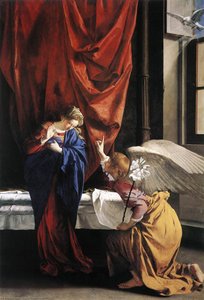
- "El Anuncio": Se encuentra en la Galleria Borghese en Roma.
- "La Virgen María": También se encuentra en la Galleria Borghese en Roma.
- Sus frescos y mosaicos para iglesias como Santa Maria Maggiore y San Giovanni Laterano demuestran su dominio de la pintura decorativa a gran escala.
Desarrollo y Evolución
- Inicialmente trabajó dentro de un estilo manierista, incorporando gradualmente elementos del naturalismo de Caravaggio.
- Desarrolló una versión más suave y refinada del estilo dramático de Caravaggio, caracterizada por una paleta más clara y detalles precisos.
- Sus obras posteriores muestran un estilo elegante y cortesano, que refleja su patrocinio en las cortes de María de Médici en París y Carlos I en Londres.
Significado Histórico y Legado
- El uso de colores brillantes y composiciones dramáticas por parte de Gentileschi influyó en el desarrollo del arte barroco.
- Fue uno de los primeros practicantes del caravaggismo en Inglaterra, impactando significativamente el panorama artístico allí.
- Su hija, Artemisia Gentileschi, se convirtió en una artista renombrada por derecho propio, continuando su legado y desarrollando aún más la tradición artística familiar.
- Sus obras se encuentran en museos y galerías de todo el mundo, incluyendo la Galería Uffizi en Florencia y la Galería Accademia en Venecia.

Orazio Gentileschi
1563 - 1639 , Italia
Datos clave
- Artistas Que Influyeron:
- Cola dell'Amata
- Francesco da Sangallo
- Caravaggio
- Fecha De Muerte: 7 de febrero de 1639
- Fecha De Nacimiento: 9 de julio de 1563
- Lugar De Nacimiento: Toscana, Italia
- Movimiento Artístico: Barroco
- Movimientos Influenciados: ['Caravaggismo']
- Nacionalidad: Italiana
- Nombre Completo: Orazio Gentileschi
- Obras Notables:
- Danae
- El Anuncio
- La Virgen María
- Santa Cecilia con un Ángel
Artículos relacionados

Giclée Prints: Archival Quality & Aesthetic Nuances for the Discerning Collector
Explore the world of giclée prints with OriginalUniqueArt. Learn about archival quality, aesthetic nuances & investment potential. Expert guidance for discerning art collectors seeking museum-quality reproductions and lasting value.

The Dramatic Flourish: Exploring the Baroque Movement's Enduring Legacy in Art History
Explore the dramatic world of Baroque art! Discover iconic artists like Caravaggio & Rubens, defining techniques, and its lasting impact on art history. Expert insights for collectors & enthusiasts at OriginalUniqueArt.

Barroco Sublime: 10 Obras Maestras que Definieron una Época |
Descubre las 10 obras maestras del Barroco que marcaron una época. Caravaggio, Bernini y Velázquez cobran vida en . Reproducciones de arte de calidad museo para decorar tu hogar con elegancia. ¡Explora la colección online!

The Enduring Legacy of Fine Art Prints: Technique, History & Aesthetic Impact
Explore the rich history & techniques of fine art prints. Discover investment potential, assess authenticity, and learn how to preserve your collection with expert guidance. Trusted insights for discerning collectors.

The Visceral Stage: Exploring Dramatic Narratives & Emotional Intensity in Baroque Art
Explore the dramatic world of Baroque art! Discover iconic masters like Caravaggio & Rembrandt, their techniques, and the movement's lasting impact. Expert insights for collectors & enthusiasts at OriginalUniqueArt.