

 Vista previa
 Compartir
 Compartir
 Ver detalles
 Guía
Guía

 Descargar
 Ver artículos similares
 Radiografía
 Presentación de diapositivas
 Estadísticas
Mystical Conversation


 Leer más
Reproducción al óleo hecha a mano
Óleo sobre lienzo pintado a mano en el tamaño y marco de su elección, realizado por encargo por nuestros artistas. ( Cambiar a formato impreso Ver versión en imagen digital)




P118B €10

P118H €10

P118W €10

P438Z €10

P508JH €12

P508YH €12

P805H €10

P805Z €10

P919BZ €10

P919G €10

P919XJ €10

P959ZH €10

P968JZ €12

W106C €8

W218G €10

W218JH €8

W218Y €10

W307PJ €10

W316G €10

W316PJ €8

W316Y €10

W398PJ €8

W4111J €10

W500HY €15

W500JH €15

W692G €12

W849H €8

W940BG €15

W953PJ €8




Elija entre nuestros tamaños predefinidos que respetan las proporciones originales de la obra.

Escriba el ancho y el alto que necesite para adaptarse a su marco o a su pared. Al ser una obra pintada a mano, para un tamaño con una forma distinta, el artista puede pintar un poco más alrededor de la imagen o recortar un poco; usted elige. Le enviaremos una maqueta digital para su aprobación antes de comenzar la pintura. La imagen que se muestra en esta página no refleja el resultado real; solo la maqueta lo hace.
Tras realizar el pedido, el equipo de OriginalUniqueArt.com enviará un correo electrónico al cliente para solicitar instrucciones y proporcionarle una vista previa del boceto.
Envío a todo el mundo () en 3-4 semanas en lugar de las 5 semanas estándar. (21 octubre). Sin comprometer la calidad.

Envío exprés gratuito a todo el mundo

Lienzo de lino de alta calidad

Seguro de envío completo

Garantía de reembolso de impuestos aduaneros

Garantía de fidelidad cromática exacta

Política de devolución de 100 días (solo por defectos)

Garantía de devolución del 100% del dinero

Oferta por volumen
 La opción de vidrio solo está disponible en tamaños inferiores a 110 cm.

Mystical Conversation
Técnica de reproducción
Tamaño de la reproducción
-


Precio total
€ 262
A Journey Into Shadowed Realms: Exploring Odilon Redon’s Mystical Conversation
Odilon Redon's "Mystical Conversation," completed in 1892, stands as a testament to the artist’s unwavering fascination with the subconscious and his masterful manipulation of visual language. More than just a depiction of two figures—a woman and a man—within an ambiguous space, it embodies a profound meditation on spirituality, isolation, and the elusive nature of human experience. The painting resides within The Art Institute of Chicago's collection, offering visitors a glimpse into Redon’s distinctive artistic vision.Style and Technique: Impasto Texture and Dreamlike Atmosphere
Redon eschewed the conventions of academic realism, opting instead for an expressive style characterized by thick impasto—a technique where paint is applied in heavy layers—creating palpable textural surfaces that seem to pulsate with inner energy. This deliberate disregard for conventional representation prioritizes mood and emotion over precise detail. The artist’s use of muted colors – predominantly ochre, umber, and shades of grey – contributes to the painting's ethereal atmosphere, transporting viewers into a realm beyond the visible world. Light plays an integral role, casting dramatic shadows that heighten the sense of mystery and reinforce the psychological depth of the scene.Historical Context: Symbolism in Late Impressionism
“Mystical Conversation” emerged during the waning years of Impressionism, marking a pivotal moment in artistic evolution. While Impressionists sought to capture fleeting moments of sensory experience, Redon delved into the realm of symbolism—drawing inspiration from mythology, folklore, and esoteric traditions. The figures themselves are deliberately indistinct, representing archetypal representations rather than identifiable individuals. Their posture suggests contemplation and dialogue, hinting at a quest for understanding or perhaps confronting unspoken anxieties. The presence of a solitary plant – positioned prominently on the right side of the canvas – symbolizes resilience and growth amidst darkness, mirroring the overarching theme of spiritual transformation.Symbolism Unveiled: Figures, Space, and the Essence of Contemplation
The painting’s symbolism extends beyond its immediate visual elements. The ambiguous space—characterized by curving lines and undefined boundaries—represents the labyrinthine pathways of consciousness, reflecting the artist's preoccupation with exploring inner landscapes. The woman’s arms encircling the man convey a sense of protection and intimacy, yet also underscore their separation from each other and from the outside world. These figures are not merely present; they embody concepts – contemplation, vulnerability, and perhaps even fear—that resonate deeply within the viewer's psyche. Redon skillfully utilizes visual cues to communicate these intangible ideas, inviting interpretation and fostering a connection between the artwork and its audience.Emotional Impact: A Resonance of Quiet Mystery
Ultimately, “Mystical Conversation” succeeds in evoking a powerful emotional response. Its subdued palette and textured surface create an immersive experience that encourages introspection. The painting’s haunting beauty lies not in grand spectacle but in its ability to capture the subtle nuances of human emotion—the quiet yearning for connection, the apprehension of the unknown, and the enduring fascination with the mysteries of existence. It remains a captivating example of Redon's artistic prowess and his profound engagement with the spiritual dimension of art.Preguntas y respuestas
¿Qué estado de ánimo y emoción se entrelazan en "Mystical Conversation"?
El estado de ánimo capturado en "Mystical Conversation" de Odilon Redon es Mystical, y su tono emocional es Mysterious.
¿Quién creó "Mystical Conversation" y en qué año?
"Mystical Conversation" fue creada por Odilon Redon en 1896.
¿Es "Mystical Conversation" más bien clara o más bien oscura en su conjunto?
"Mystical Conversation" de Odilon Redon presenta un nivel de brillo de bright, con una luminancia de Gentle Luminance.
Biografía del artista
Vida Temprana y Formación
Odilon Redon (Bertrand-Jean Redon), nació el 20 de abril de 1840 en Burdeos, Aquitania, en una familia próspera. Su padre amasó su fortuna en el comercio de esclavos en Luisiana. Redon recibió el apodo "Odilon" de su madre, Odile. Demostró talento artístico desde temprana edad; a los diez años ganó un premio de dibujo en la escuela. Inicialmente estudió arquitectura, pero a instancias de su padre, cambió de rumbo. Tras no aprobar los exámenes de ingreso a la École des Beaux-Arts de París en 1864, brevemente estudió pintura bajo la tutela de Jean-Léon Gérôme. Posteriormente, se dedicó a la escultura y perfeccionó sus habilidades en grabado y litografía bajo la guía de Rodolphe Bresdin. Su servicio militar durante la Guerra Franco-Prusiana (1870-1871) interrumpió su carrera artística por un tiempo.Evolución Artística y el Período de los "Noirs"
Tras la guerra, Redon se trasladó a París y retomó su trabajo principalmente en carboncillo y litografía, creando lo que se conoce como sus “noirs” (negros). Estas obras, caracterizadas por imágenes oníricas y simbólicas en tonos oscuros, exploraban temas de misterio, miedo y la psique humana. Ganó reconocimiento inicial con "Espíritu Guardián de las Aguas" en 1878 y publicó su primer álbum de litografías, "Dans le Rêve," en 1879. Su obra fue catapultada a la fama tras ser mencionada en la novela cultista “Contra Naturaleza” (À rebours) de Joris-Karl Huysmans en 1884, lo que atrajo la atención del público y los coleccionistas. Durante este período, Redon experimentó con diferentes técnicas y estilos, influenciado por el arte japonés y las corrientes simbolistas de la época.Madurez: Pastel, Óleo e Influencias Orientales
En la década de 1890, Redon comenzó a trabajar en pastel y óleo, abandonando casi por completo los "noirs" después de 1900. Desarrolló un profundo interés en la religión hindú y el budismo, lo que se reflejó cada vez más en su obra. La influencia del japonismo es evidente en pinturas como “La Muerte de Buda” (alrededor de 1899), "El Buda" (1906) y "Jacobo y el Ángel" (1905). En 1900-1901, recibió un importante encargo del Barón Robert de Domecy para crear 17 paneles decorativos para el Château de Domecy-sur-le-Vault. Estos trabajos marcaron una transición hacia la pintura más abstracta y ornamental.Logros Destacados y Legado
Redon fue condecorado con la Legión de Honor en 1903, un reconocimiento a su contribución al arte francés. Su popularidad se disparó tras la publicación de un catálogo de grabados y litografías por André Mellerio en 1913, seguido de una exposición retrospectiva en la Armería de Nueva York. Su obra es hoy reconocida como precursora del Surrealismo por su exploración del inconsciente y sus imágenes oníricas. Redon falleció el 6 de julio de 1916, dejando un legado artístico significativo que continúa inspirando a artistas y amantes del arte en todo el mundo.Referencias

Odilon Redon
1840 - 1916 , Francia
Datos clave
- Artistas Que Influyeron:
- Rodolphe Bresdin
- Jean-Léon Gérôme
- Fecha De Fallecimiento: 6 de julio de 1916
- Fecha De Nacimiento: 20 de abril de 1840
- Influenciado A Artistas: ['Surrealismo']
- Lugar De Nacimiento: Burdeos, Francia
- Movimiento Artístico: Simbolismo
- Nacionalidad: Francesa
- Nombre Completo: Odilon Redon
- Obras Notables:
- El espíritu guardián de las aguas
- La muerte del Buda
- Jacobo y el ángel
Artículos relacionados
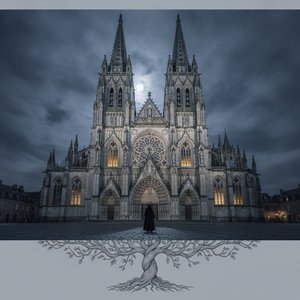
Shadows & Splendor: A Journey Through the Soul of Gothic Art and Architectural Grandeur
Embark on a profound journey through the spiritual intensity of Gothic art. Explore the architectural marvels, luminous stained glass, and sacred sculptures that define this era of grandeur and human devotion.

The Enduring Legacy of Oil on Canvas: Technique, History & Aesthetic Impact
Explore the rich history & techniques of oil painting – from Renaissance masters to Impressionism. Discover pigments, layering methods, and why this timeless medium endures. Expert insights for artists & art enthusiasts.

Gothic Vibes: From Dark Shadows to Bold Modern Edge | The Ultimate Trend Forecast
Explore the evolution of Gothic vibes, from historical shadows to bold modern edge. Discover how dark aesthetics, noir interiors, and contemporary subcultures are redefining modern design through a high-impact, trend-focused lens.

El Óleo sobre Lienzo: Historia, Técnica y la Persistencia de un Medio Artístico Atemporal
Descubre la historia y técnica del óleo sobre lienzo. Explora reproducciones fieles hechas a mano, personalización artística y consejos de expertos con OriginalUniqueArt. ¡Colecciona arte con confianza!

The Enduring Power of Painting: A Historical & Contemporary Exploration of Form and Emotion
Explore the rich history & enduring techniques of oil painting with OriginalUniqueArt. Discover masterpieces, learn about art collecting, and find authentic handmade reproductions crafted by skilled artists.


