

 Vista previa
 Compartir
 Compartir
 Ver detalles
 Guía
Guía

 Descargar
 Ver artículos similares
 Radiografía
 Presentación de diapositivas
 Estadísticas
Spring Tonic


 Leer más
La obra de arte que se muestra en esta página está protegida por las leyes de propiedad intelectual, lo que significa que no podemos crear ni vender legalmente una reproducción idéntica. Esta protección se hace cumplir en virtud de acuerdos internacionales como el Convenio de Berna y por las leyes nacionales, incluidas aquellas establecidas por el Ley de derechos de autor de los EE. UU. - Título 17.
Este método cumple plenamente con las normativas de derechos de autor, ya que no implica la copia ni la duplicación de la obra protegida. En su lugar, se trata de una reinterpretación creativa: una nueva pintura influenciada por la original, pero que no es idéntica a ella.
Giclée / Impresión de arte
Impresiones giclée o en lienzo de calidad de museo con producción rápida y opciones de acabado flexibles. ( Encargar reproducción pintada a mano Ver versión en imagen digital)




P118B €10

P118H €10

P118W €10

P438Z €10

P508JH €12

P508YH €12

P805H €10

P805Z €10

P919BZ €10

P919G €10

P919XJ €10

P959ZH €10

P968JZ €12

W106C €8

W218G €10

W218JH €8

W218Y €10

W307PJ €10

W316G €10

W316PJ €8

W316Y €10

W398PJ €8

W4111J €10

W500HY €15

W500JH €15

W692G €12

W849H €8

W940BG €15

W953PJ €8




Elija entre nuestros tamaños predefinidos que respetan las proporciones originales de la obra.

Introduzca el ancho y el alto que necesite para adaptarse a su marco o pared. Una impresión solo puede recortarse, nunca hacerse más grande que la imagen original, por lo que un tamaño con una forma distinta perderá parte de la obra. Le enviaremos una maqueta digital para su aprobación antes de realizar cualquier impresión. La imagen que se muestra en esta página no refleja el recorte real; solo la maqueta lo hace.
Envío a todo el mundo () en 2 semanas en lugar de las 4/5 semanas estándar. (20 octubre)

Envío exprés gratuito a todo el mundo

Lienzo de lino de alta calidad

Seguro de envío completo

Garantía de reembolso de impuestos aduaneros

Garantía de fidelidad cromática exacta

Política de devolución de 100 días (solo por defectos)

Garantía de devolución del 100% del dinero

Oferta por volumen
 La opción de vidrio solo está disponible en tamaños inferiores a 110 cm.

Spring Tonic
Giclée / Impresión de arte
Tamaño de la reproducción
-


Precio total
€ 70
A Tender Moment Captured in Time
In the quiet intimacy of "Spring Tonic," created in 1936, Norman Rockwell invites us into a domestic sanctuary where the weight of maternal devotion is palpable. The scene unfolds with a profound sense of tenderness, focusing on a mother cradling her ailing son as she administers a restorative remedy. There is an undeniable warmth in the way the light falls upon the pair, highlighting the gentle strength required to navigate the anxieties of parenthood. As the child drinks from his cup, the surrounding environment—cluttered with various bottles and medicinal vessels—tells a silent story of care, trial, and the hope for recovery. This is not merely a depiction of illness, but a celebration of the resilient bond between parent and child, rendered with the masterful storytelling that defined Rockwell's illustrious career.
The composition is enriched by the presence of two loyal dogs, whose watchful eyes add a layer of soulful companionship to the room. One dog rests near the center, while another lingers to the right, their calm demeanor acting as an emotional anchor amidst the tension of the child's sickness. The arrangement of objects, from the scattered bottles to the solitary chair positioned at the edge of the frame, creates a lived-in atmosphere that feels both nostalgic and deeply personal. For the collector or interior designer, this piece offers more than just visual beauty; it provides a narrative depth that can transform a room into a space of reflection and comfort.
The Mastery of American Realism
Technically, "Spring Tonic" stands as a testament to Rockwell's unparalleled ability to blend meticulous realism with emotional resonance. His technique allows for a rich texture in the fabrics and a lifelike quality in the expressions of his subjects, making the scene feel as though it were captured in a single, breathless moment. The use of light and shadow serves to direct the viewer's eye toward the central interaction, ensuring that the emotional core of the painting remains the focal point. Every brushstroke contributes to a sense of authenticity, capturing the subtle nuances of skin tones, the glint of glass bottles, and the soft textures of the domestic setting.
As a piece of historical significance, this work emerges from an era when Rockwell was beginning to solidify his role as the visual chronicler of the American soul. Created during the mid-1930s, the painting reflects a period where themes of family stability and communal care were deeply resonant. For those seeking to adorn their homes with high-quality reproductions, this artwork serves as an exquisite centerpiece. It brings a sense of timelessness and a touch of classic Americana that complements both traditional and contemporary interiors, offering a window into a world where even the smallest act of care is treated with monumental importance.
Preguntas y respuestas
¿"Spring Tonic" de Norman Rockwell utiliza contrastes fuertes o armonías suaves?
El análisis cromático de "Spring Tonic" de Norman Rockwell registra un Statement contraste y una Balanced Harmony armonía.
¿Quién vende copias pintadas a mano de "Spring Tonic" de Norman Rockwell?
Puede solicitar una reproducción pintada a mano de "Spring Tonic" de Norman Rockwell directamente en su página de Reproducción pintada a mano: una reproducción al óleo pintada a mano sobre lienzo de lino, realizada bajo pedido.
¿Qué estado de ánimo y emoción se entrelazan en "Spring Tonic"?
En "Spring Tonic", un ambiente Nostalgic acompaña a una emoción Comforting.
Biografía del artista
Primeros Años y Formación
Norman Perceval Rockwell (Nueva York, 3 de febrero de 1894 – Stockbridge, Massachusetts, 8 de noviembre de 1978) fue un pintor e ilustrador estadounidense. Su obra goza de amplia popularidad en su país, dado su reflejo de la cultura estadounidense. Rockwell nació en una familia con raíces profundas en América colonial. Su padre era presbiteriano y su madre episcopal. A los 14 años, ingresó a la Chase Art School, demostrando un talento precoz para el dibujo. Posteriormente, estudió en la Academia Nacional de Diseño y en la Liga de Estudiantes de Arte, donde recibió instrucción de destacados artistas como Thomas Fogarty, George Bridgman y Frank Vincent DuMond.Contribuciones Artísticas
Rockwell es principalmente conocido por las ilustraciones que creó sobre la vida diaria para la portada de The Saturday Evening Post a lo largo de cinco décadas. Su habilidad para capturar momentos cotidianos con un toque de humor, nostalgia y humanidad le valió una gran admiración popular. Entre sus obras más conocidas se encuentran:- La serie de Willie Gillis: Una representación conmovedora del lado humano de la guerra.
- Rosie the Riveter: Un ícono del empoderamiento femenino durante la Segunda Guerra Mundial.
- El problema que todos vivimos: Una poderosa imagen sobre la integración racial escolar, que se exhibió en la Casa Blanca cuando Ruby Bridges conoció al presidente Barack Obama en 2011.
Estilo Artístico y Evolución
El estilo artístico de Rockwell se caracteriza por su realismo detallado, su atención al detalle y su capacidad para contar historias a través de imágenes. Aunque inicialmente fue influenciado por el arte académico, desarrolló un estilo propio que combinaba elementos del realismo con una sensibilidad narrativa única. A lo largo de su carrera, su obra evolucionó desde representaciones más idealizadas de la vida estadounidense hacia retratos más complejos y socialmente conscientes. En sus últimos años, abordó temas como el racismo y la desigualdad social, demostrando una mayor profundidad y compromiso con los problemas de su tiempo.Legado e Impacto Cultural
A pesar de ser a menudo desestimado por críticos de arte "serios" durante su vida, Norman Rockwell se ha convertido en un ícono cultural estadounidense. Su obra es ampliamente reconocida y apreciada por su capacidad para evocar emociones, contar historias y reflejar los valores y las aspiraciones del pueblo americano. Sus ilustraciones han aparecido en calendarios, carteles y revistas, llegando a una audiencia masiva. El legado de Rockwell perdura como un testimonio del poder del arte para conectar con el público y capturar la esencia de una época. Su influencia se puede ver en generaciones de ilustradores y artistas que han seguido sus pasos.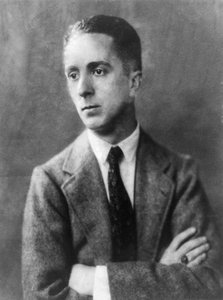
Norman Rockwell
1894 - 1978 , Estados Unidos de América
Datos clave
- Artistas Influyentes:
- Thomas Fogarty
- George Bridgman
- Frank Vincent Dumond
- Fecha De Fallecimiento: 8 de noviembre de 1978
- Fecha De Nacimiento: 3 de febrero de 1894
- Lugar De Nacimiento: Nueva York, Estados Unidos
- Movimiento Artístico: Realismo
- Nacionalidad: Estadounidense
- Nombre Completo: Norman Perceval Rockwell
- Obras Notables:
- Serie Willie Gillis
- Rosie the Riveter
- El problema que todos vivimos
Artículos relacionados

Eterniza la magia de tu infancia: Convierte las fotos de tus hijos en obras maestras atemporrales con la IA y el arte de OriginalUniqueArt
Transforma las fotos de tus hijos en lienzos eternos. En OriginalUniqueArt fusionamos IA avanzada con la maestría de pintores académicos para crear retratos al óleo únicos. Un legado artístico hecho a mano que captura su esencia para siempre. Calidad premium y satisfacción garantizada.

Frederick Childe Hassam: American Impressionism's Chronicler of Light & Modern Life
Explore the captivating world of Frederick Childe Hassam, a pioneer of American Impressionism. Discover his iconic paintings capturing light, urban life & coastal beauty. Learn about his legacy and influence on American art history.
Whimsical Wonders: A Mother's Guide to Transforming Children's Rooms with Timeless Art Reproductions
Transform your child's room into a whimsical sanctuary with museum-quality art reproductions. Discover how hand-painted masterpieces and custom portraits can spark imagination and create a timeless, beautiful space for your little one.
Divine Love: A Curated Guide to the Most Iconic Madonna and Child Masterpieces in Art History
Embark on a sophisticated journey through art history with our curated guide to the most iconic Madonna and Child masterpieces. Discover the profound beauty, theological depth, and enduring legacy of these sacred Renaissance treasures.
Hieronymus Bosch: Las 25 Obras Maestras del Genio Medieval | Arte y Decoración
Descubre las 25 obras maestras de Hieronymus Bosch, el enigmático pintor medieval. Explora 'El Jardín de las Delicias' y su simbolismo único. Reproducciones de arte de alta calidad para tu hogar en OriginalUniqueArt.com.


