

 Ver en contexto
 Enviar
 Compartir
 Detalles
 Guía
Guía

 Descargar
 Similares
 Radiografía
 Presentación de diapositivas
 Estadísticas
The Bird Cage
 Oil On Canvas
- WallArt
- Rococo
 Early Modern
 44.0 x 48.0 cm
 Pinacoteca Antigua de Múnich
 Ver más
Reproducción al óleo hecha a mano
Óleo sobre lienzo pintado a mano en el tamaño y marco de su elección, realizado por encargo por nuestros artistas. ( Cambiar a impresiones Cambiar a imagen digital)




P118B €10

P118H €10

P118W €10

P438Z €10

P508JH €12

P508YH €12

P805H €10

P805Z €10

P919BZ €10

P919G €10

P919XJ €10

P959ZH €10

P968JZ €12

W106C €8

W218G €10

W218JH €8

W218Y €10

W307PJ €10

W316G €10

W316PJ €8

W316Y €10

W398PJ €8

W4111J €10

W500HY €15

W500JH €15

W692G €12

W849H €8

W940BG €15

W953PJ €8




Elija entre nuestros tamaños predefinidos que respetan las proporciones originales de la obra.

Indique el ancho y el alto que necesite para adaptarse a su marco o pared. Al tratarse de una obra pintada a mano, si requiere un tamaño con una proporción distinta, el artista puede pintar un poco más alrededor de la imagen o recortarla ligeramente; usted elige. Le enviaremos una maqueta digital para su aprobación antes de comenzar la pintura. La imagen que se muestra en esta página no refleja el resultado real; solo la maqueta lo hace.
Tras realizar el pedido, el equipo de OriginalUniqueArt.com enviará un correo electrónico al cliente para solicitar instrucciones y proporcionarle una vista previa del boceto.
Envío a todo el mundo () en 3-4 semanas en lugar de las 5 semanas estándar. (28 octubre). Sin comprometer la calidad.

Envío exprés gratuito a todo el mundo

Lienzo de lino de alta calidad

Seguro de envío total

Garantía de reembolso de aranceles aduaneros

Garantía de fidelidad cromática exacta

Política de devolución de 100 días (solo por defectos)

Garantía de devolución del 100% del dinero

Descuento por cantidad
 La opción de vidrio solo está disponible en tamaños inferiores a 110 cm.

The Bird Cage
Técnica de reproducción
Dimensiones de la reproducción
-


Precio total final
€ 264
A Pastoral Interlude in Rococo Charm
To gaze upon this scene is to step directly into the sun-dappled leisure of 18th-century Parisian life. The painting, depicting a man and woman seated companionably on the ground amidst grazing sheep and gentle dogs, exudes an atmosphere of profound tranquility. It is not merely a portrait; it is a carefully constructed moment of idyllic repose. The composition draws the viewer into this intimate tableau, suggesting a pause from the bustle of city life—a perfect embodiment of the *fête galante* spirit that so captivated the Rococo era.
The Allure of Everyday Life and Leisure
Nicolas Lancret, whose brushstrokes breathe the very air of Parisian society, masterfully captures this sense of unburdened enjoyment. The inclusion of domestic animals—the dogs at their feet, the sheep grazing peacefully in the background—grounds the scene in a pastoral reality, yet one elevated by artistic grace. The man holding the bird cage adds a subtle narrative element; is it a gift, a curiosity, or simply part of their leisurely outing? These details invite contemplation, encouraging us to imagine the whispered conversations and shared laughter that once filled this space. Lancret possessed a unique gift for elevating the mundane into something beautiful and enduring.
Technique and Rococo Sensibility
The technique employed speaks volumes about the period's aesthetic ideals. One can almost feel the lightness of the brushwork, characteristic of artists influenced by Watteau’s airy compositions. The palette, while not fully visible here, suggests soft transitions and a delicate handling of light that bathes the figures and animals in a warm glow. This adherence to Rococo sensibilities means that even the depiction of simple objects, like the chair or the cage, is rendered with an almost decorative flourish. It speaks to a time when art celebrated pleasure, elegance, and the cultivated enjoyment of life’s softer moments.
Symbolism of Companionship and Nature
Beyond the surface beauty lies a rich tapestry of symbolism. The pairing of man and woman suggests companionship and harmony, while the presence of multiple animals speaks to nature's gentle embrace. The sheep symbolize pastoral innocence, while the dogs represent loyal friendship. Together, these elements create an emotional resonance—a yearning for simplicity and connection that transcends time. For the modern collector or designer, this piece offers more than mere decoration; it offers a visual balm, a reminder of moments when life slows down to the rhythm of grazing animals and shared quietude.
Bringing the Salon Home
Reproducing such an evocative scene allows one to infuse any interior space with historical romance. Whether placed in a drawing-room corner or above a console table, this artwork acts as a focal point steeped in cultured nostalgia. It is a piece that whispers tales of elegant outings and simple joys, making it a treasured addition for those who appreciate the delicate balance between sophisticated art history and the enduring comfort of pastoral life.
Preguntas y respuestas
¿Qué color predomina en la composición de "The Bird Cage" de Nicolas Lancret?
El color que más destaca en "The Bird Cage" es el Espresso (#614f3b). El color dominante resulta muy útil a la hora de combinar una obra de arte con un espacio interior.
¿Cuál es el tamaño de impresión recomendado para "The Bird Cage" de Nicolas Lancret?
Se recomienda imprimir "The Bird Cage" en un tamaño de Medium. Otros tamaños están disponibles con las mismas proporciones.
¿A qué movimiento artístico pertenece "The Bird Cage" de Nicolas Lancret?
"The Bird Cage" es una obra de Rococo. El movimiento indica la tradición artística a la que pertenece la obra.
Biografía del artista
Nicolas Lancret: Un Viaje a la Elegancia Rococó
- Nacido: París, Francia (22 de enero de 1690)
- Fallecido: París, Francia (14 de septiembre de 1743)
Primeros Años y Formación
La trayectoria artística de Nicolas Lancret comenzó en París, donde nació en 1690. Aunque los registros detallados de sus primeros años son escasos, se sabe que recibió su formación inicial bajo la tutela de Pierre d’Ulin, un respetado pintor de historia. Un momento crucial llegó cuando conoció la obra de Antoine Watteau, cuya influencia moldeó profundamente la dirección artística de Lancret. Posteriormente estudió con Jean-Baptiste Gillot, quien a su vez había sido alumno de Watteau, solidificando aún más su conexión con esta influyente línea artística. Este período de formación sentó las bases para el estilo distintivo de Lancret, caracterizado por sus alegres representaciones de la sociedad parisina y celebraciones de *fêtes galantes*.Estilo Artístico y Obras Destacadas
Lancret se hizo famoso como un brillante retratista de la vida cotidiana dentro de la sociedad francesa durante el reinado del Duque de Orleans y los primeros años del rey Luis XV. Su estilo artístico se caracteriza por encantadoras escenas de bailes, ferias, bodas de aldea y otros encuentros sociales, reflejando los gustos y las costumbres de su época. Destacó en capturar el espíritu de la elegancia y la frivolidad rococó.- Obras Destacadas:
- *Le Déjeuner de Jambon* (Chantilly, Musée Condé, 1735): Un ejemplo paradigmático de sus escenas de género, que representa un animado desayuno con jamón y figuras vivaces.
- *La Servante Justifiée* (1735-1740): Demuestra la habilidad de Lancret para retratar escenas domésticas con ingenio y encanto.
- *Le Jeu des Quatre-Coins*: Una representación juguetona de un popular juego, capturando la energía y el entretenimiento de la interacción social.
- *Marie-Anne de Camargo* (1730): Un retrato que demuestra su habilidad para representar figuras a la moda.
Influencias y Legado
El estilo artístico de Lancret guarda una clara semejanza con el de Watteau, lo que a menudo lleva a los historiadores del arte a comparar a ambos. Si bien algunos críticos han considerado la obra de Lancret como algo menos profunda que la de Watteau, su capacidad para capturar la esencia de la sociedad francesa en el siglo XVIII le ha asegurado un lugar significativo en la historia del arte. Sus pinturas son celebradas por su alegría y encanto, ofreciendo valiosas perspectivas sobre las costumbres sociales y la estética del período rococó. La influencia de Lancret puede verse en artistas posteriores como François Boucher. Sus obras se encuentran en prestigiosas colecciones de todo el mundo, incluyendo la Galería Nacional y el Musée d'Orsay, asegurando que su legado continúe inspirando a apreciar el arte rococó francés.Desarrollo e Importancia Histórica
A lo largo de su carrera, Lancret demostró una evolución gradual en su enfoque artístico. Si bien inicialmente estuvo fuertemente influenciado por Watteau, desarrolló un estilo más distintivo caracterizado por colores más vivos y una mayor armonía entre las figuras y sus alrededores. Sus obras posteriores, como *Montreir de lanterne magique* y *Familia en un Jardín*, se consideran la cumbre de su logro artístico, mostrando una creciente capacidad para crear profundidad e intimidad dentro de sus composiciones. La importancia histórica de Lancret radica en su contribución al movimiento rococó y en su habilidad para documentar la vida social y los valores culturales de la Francia del siglo XVIII a través de sus pinturas encantadoras y accesibles.
Nicolas Lancret
1690 - 1743 , Francia
Datos clave
- Artistas Influenciados Por Este Artista: ['François Boucher']
- Artistas Que Influyeron:
- Pierre d’Ulin
- Jean-Baptiste Gillot
- Antoine Watteau
- Fecha De Fallecimiento: 14 de septiembre de 1743
- Fecha De Nacimiento: 22 de enero de 1690
- Lugar De Nacimiento: París, Francia
- Movimiento Artístico: Rococó
- Nacionalidad: Francés
- Nombre Completo: Nicolas Lancret
- Obras Notables:
- Le Déjeuner de Jambon
- La Servante Justifiée
- Le Jeu des Quatre-Coins
- Marie-Anne de Camargo
Artículos relacionados

Rococó: 10 Obras Maestras que Definieron una Época | Arte y Decoración en
Descubre las 10 obras maestras del Rococó que marcaron una época. Explora la elegancia de Fragonard, Boucher y Watteau en . Reproducciones de arte de calidad museo para decorar tu hogar con estilo.
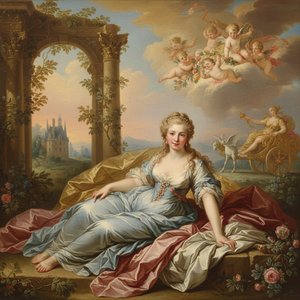
François Boucher: Rococo Master of Myth, Sensuality, and the French Court
Explore the captivating world of François Boucher, master of Rococo painting! Discover his iconic works, aristocratic patronage, and lasting influence on French art history. Learn more at OriginalUniqueArt.
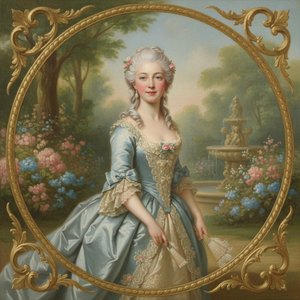
The Elegance of Rococo Portraiture: A Journey Through Grace, Soft Light, and Pastel Dreams
Discover the exquisite world of Rococo portraiture. Explore the delicate beauty of 18th-century French art, from pastel light to graceful asymmetry, and learn how to bring this era of elegance into your home through masterfully hand-painted oil reproductions.

La Estética Rococó: Opulencia, Rebelión y Placer en el Arte del Siglo XVIII
Descubre la fascinante estética rococó: su historia, características clave y los artistas más influyentes del siglo XVIII. Un análisis profundo para amantes del arte y coleccionistas.
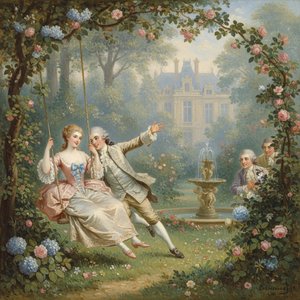
The Rococo Reverie of Fragonard: Love, Leisure & Pleasure in 18th-Century France
Explore the captivating world of Jean-Honoré Fragonard! Discover his Rococo masterpieces, intimate portraits & the allure of 18th-century French art. Learn about 'The Progress of Love' and more at OriginalUniqueArt.


