

 Vista previa
 Compartir
 Compartir
 Ver detalles
 Guía
Guía

 Descargar
 Ver artículos similares
 Radiografía
 Presentación de diapositivas
 Estadísticas
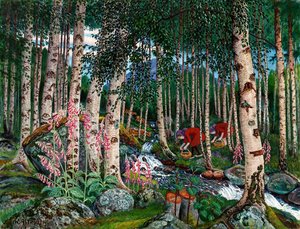
Gethsemane
 Oil On Board
- Neo-Romanticism
 1926
1926- Modern
 42.0 x 32.0 cm
 Bergen Kunstmuseum
 Leer más
Giclée / Impresión de arte
Impresiones giclée o en lienzo de calidad de museo con producción rápida y opciones de acabado flexibles. ( Encargar reproducción pintada a mano Ver versión en imagen digital)




P118B €10

P118H €10

P118W €10

P438Z €10

P508JH €12

P508YH €12

P805H €10

P805Z €10

P919BZ €10

P919G €10

P919XJ €10

P959ZH €10

P968JZ €12

W106C €8

W218G €10

W218JH €8

W218Y €10

W307PJ €10

W316G €10

W316PJ €8

W316Y €10

W398PJ €8

W4111J €10

W500HY €15

W500JH €15

W692G €12

W849H €8

W940BG €15

W953PJ €8




Elija entre nuestros tamaños predefinidos que respetan las proporciones originales de la obra.

Introduzca el ancho y el alto que necesite para adaptarse a su marco o pared. Una impresión solo puede recortarse, nunca hacerse más grande que la imagen original, por lo que un tamaño con una forma distinta perderá parte de la obra. Le enviaremos una maqueta digital para su aprobación antes de realizar cualquier impresión. La imagen que se muestra en esta página no refleja el recorte real; solo la maqueta lo hace.
Envío a todo el mundo () en 2 semanas en lugar de las 4/5 semanas estándar. (21 octubre)

Envío exprés gratuito a todo el mundo

Lienzo de lino de alta calidad

Seguro de envío completo

Garantía de reembolso de impuestos aduaneros

Garantía de fidelidad cromática exacta

Política de devolución de 100 días (solo por defectos)

Garantía de devolución del 100% del dinero

Oferta por volumen
 La opción de vidrio solo está disponible en tamaños inferiores a 110 cm.

Gethsemane
Giclée / Impresión de arte
Tamaño de la reproducción
-


Precio total
€ 70
A Visionary Encounter in the Norwegian Garden
In the quiet, evocative depths of Nikolai Astrup’s 1926 masterpiece, Gethsemane, the boundaries between biblical history and the intimate landscapes of Norway begin to dissolve. While the title refers to the sacred garden in Jerusalem where Christ faced his darkest hour, Astrup performs a profound act of artistic localization. He transports this monumental moment of spiritual agony into the familiar, lush surroundings of the parsonage garden in Ålhus. This is not merely a religious illustration; it is a dreamlike fusion of the divine and the terrestrial. The viewer is invited into a space where the heavy atmosphere of the crucifixion narrative meets the verdant, mystical textures of the West Norwegian landscape, creating a scene that feels both ancient and deeply personal.
The composition breathes with a sense of quiet drama, capturing a moment of profound transition. As the eye wanders through the painting, one encounters a scene that oscillates between a somber historical event and a visionary hallucination. The presence of figures—some appearing caught in the weight of the narrative, others seemingly lost in a trance-like state—suggests a world where the veil between reality and the supernatural is perilously thin. This sense of mystery is heightened by the scattered birds that drift through the sky and perch upon the landscape, acting as silent witnesses to the unfolding drama. For the collector or designer, this piece offers more than just a subject; it offers an atmosphere of contemplative depth that can anchor a room with its soulful, introspective energy.
Technique and the Language of Light
Astrup’s technical mastery is evident in his use of oil on cardboard, a medium that allows for a rich, concentrated application of pigment. His style, rooted in Neo-Romanticism, eschews clinical realism in favor of an intense, emotive color palette. The textures are tactile and layered, reflecting the artist's lifelong obsession with the "visual language" of his homeland. He employs light not just to illuminate form, but to evoke mood; the shadows are deep and heavy, yet they are pierced by a spectral luminosity that suggests the presence of a divine vision. This interplay of light and shadow creates a rhythmic movement across the canvas, guiding the viewer through the dense foliage and toward the heart of the spiritual struggle.
The brushwork possesses a certain raw, organic vitality that mirrors the ruggedness of the Norwegian fjords. There is no sterile perfection here; instead, there is a deliberate, expressive quality that celebrates the natural world's untamed spirit. For those seeking to incorporate fine art into a sophisticated interior, a high-quality reproduction of Gethsemane provides a centerpiece of immense character. The painting’s ability to command attention through its complex textures and brooding tones makes it an ideal choice for spaces designed for reflection, such as libraries, study alcoves, or quiet sitting rooms where the interplay of history and nature can be fully appreciated.
A Legacy of Spiritual and National Identity
To understand Gethsemane is to understand Nikolai Astrup’s broader mission: to capture the very soul of Norway. By situating a universal Christian narrative within his own local topography, he elevates the Norwegian landscape to a stage for the eternal. This technique of "sacralizing" the everyday—turning a simple garden patch into a site of cosmic significance—is what makes his work so enduringly powerful. The painting serves as a bridge between the theological and the topographical, making the profound accessible through the familiar.
For the discerning art lover, owning a reproduction of this work is an opportunity to possess a fragment of this visionary legacy. It is a piece that invites continuous re-examination, revealing new layers of symbolism and emotion with every viewing. Whether one is drawn to its historical weight, its masterful use of color, or its ability to evoke the misty, magical atmosphere of a Norwegian night, Gethsemane remains a breathtaking testament to the power of art to transform the world we see into a world we feel.
Preguntas y respuestas
¿Es "Gethsemane" de Nikolai Astrup de dominio público y por qué?
El estado de los derechos de autor de "Gethsemane" - en el dominio público: sus derechos de autor han expirado - se deriva del fallecimiento del artista en 1928.
¿Qué temas aparecen en "Gethsemane" de Nikolai Astrup?
"Gethsemane" de Nikolai Astrup representa: biblical scene, religious, jesus christ, gethsemane, norway landscape, night scene, visionary.
¿Cómo se sitúa históricamente "Gethsemane"?
Históricamente, "Gethsemane" es una obra Neo-Romanticism de la más amplia era Modern.
Biografía del artista
Un Visionario de la Naturaleza Noruega
Nikolai Astrup se erige como una figura singular en la historia del arte noruego: un pintor cuya profunda conexión con los paisajes y las tradiciones de Vestlandet consolidó su lugar entre los artistas neorrománticos más distintivos de su época. Nacido el 30 de agosto de 1880, en la aldea costera de Kalvåg, dentro de la agreste región de Bremanger, los primeros años de Astrup estuvieron impregnados de la belleza atmosférica de los fiordos y las montañas. Como hijo primogénito de un párroco, su crianza estuvo marcada por una cierta piedad familiar; sin embargo, su corazón se sintió irremediablemente atraído por el pulso vibrante y vivo del mundo natural. Esta profunda conexión con sus raíces ancestrales lo impulsaría finalmente hacia un estilo caracterizado por paletas cromáticas intensas y una dedicación inquebrantable a retratar la vida cotidiana y el folclore de la Noruega rural.
Su camino hacia la maestría artística no fue una trayectoria lineal, sino más bien una exploración del alma entre la tradición y la modernidad. Aunque sus inclinaciones iniciales sugerían una vida dedicada a los estudios teológicos, la pasión de Astrup por el dibujo lo alejó de la Escuela Catedralicia de Trondheim para conducirlo hacia la floreciente escena artística de Kristiania (Oslo). Fue allí, bajo la influyente tutela de Harriet Backer, donde comenzó a perfeccionar sus habilidades técnicas. Una breve pero transformadora estancia en París enriqueció aún más su visión, exponiéndolo a los movimientos de vanguardia de la época y fomentando vínculos con colegas como Christian Krohg. Estos encuentros con las técnicas impresionistas y una perspectiva europea más amplia le proporcionaron las herramientas necesarias para tejer, finalmente, la tradición y la innovación en un lenguaje artístico único y cohesivo.
El Alma de Jølster y la Magia del Realismo
En 1902, Astrup tomó la decisión crucial de regresar a su hogar de la infancia en Jølster, estableciéndose en la propiedad de Sandalstrand. Este retorno fue más que un regreso a casa; fue una inmersión en una musa de por vida. Junto a su esposa, Engel Sunde, crió a ocho hijos entre las exigentes realidades económicas de la vida rural, pero fue precisamente esta adversidad la que alimentó su impulso creativo. Se convirtió en un maestro al capturar el realismo mágico del paisaje noruego, donde el verdor exuberante del verano y la cruda y silenciosa soledad del invierno se representaban con una intensidad casi sobrenatural. Su obra a menudo trasciende la mera representación, utilizando una paleta vibrante y colorida para evocar la atmósfera mística de las montañas y los cambios estacionales de los fiordos.
La técnica de Astrup era tanto una cuestión de emoción como de observación. Fue un hábil grabador y horticultor, cualidades que informaron su complejo enfoque de la composición. En sus xilografías y pinturas, se puede observar cómo modificaba los estados de ánimo mediante cambios sutiles en el color y la adición o eliminación estratégica de motivos. Su obra es celebrada por su capacidad para capturar lo sublime: esa intersección asombrosa entre la belleza y el asombro. Ya sea representando una serena escena invernal como Mill Water o los paisajes monocromáticos de una belleza inquietante en Naked Trees, el trabajo de Astrup invita al espectador a un mundo donde las fronteras entre el paisaje físico y el reino espiritual se desdibujan bellamente.
El Legado de un Lenguaje Visual Nacional
Más allá de sus lienzos individuales, la importancia histórica de Nikolai Astrup reside en su esfuerzo pionero por capturar un lenguaje visual nacional. No se limitó a pintar paisajes; documentó la esencia misma de la identidad noruega, celebrando el modo de vida tradicional y el folclore que definía la región de Vestlandet. Su capacidad para mezclar lo local con lo universal permitió que su obra resonara mucho más allá de las fronteras de Noruega, incluso si permaneció en gran medida desconocido para gran parte de la comunidad internacional durante su vida. Sigue siendo una piedra angular del modernismo noruego, un artista que encontró lo infinito dentro de lo íntimo.
El impacto perdurable de su vida y obra puede resumirse a través de estos elementos definitorios:
- Innovación Artística: La integración fluida de la pincelada impresionista con temas neorrománticos.
- Preservación Cultural: Un enfoque dedicado a las tradiciones, costumbres y paisajes de la región de Jølster.
- Maestría Técnica: Un dominio extraordinario del color y el grabado que permitió una profunda resonancia emocional.
- Conexión Ecológica: Su vida en Sandalstrand sirvió como una manifestación temprana de un respeto profundo por el entorno natural y la conservación.
Aunque su vida fue trágicamente corta, terminando en 1928 a la edad de cuarenta y siete años, el legado de Nikolai Astrup continúa floreciendo. Sus pinturas permanecen como ventanas vibrantes hacia una era perdida, ofreciendo una mirada atemporal al corazón de la naturaleza salvaje de Noruega.
Nikolai Astrup
1880 - 1928 , Noruega
Datos clave
- Artistic Movement Or Style: Neo-Romanticismo
- Artists Or Movements Influenced By This Artist: ['Scandinavian Art']
- Artists Who Influenced This Artist: ['Christian Krohg']
- Date Of Birth: 1880
- Date Of Death: 1928
- Full Name: Nikolai Johannes Kristiansson Astrup
- Nationality: Noruego
- Notable Artworks:
- El Suitor Apurado
- Árboles Desnudados
- Place Of Birth: Bremanger, Norway
Artículos relacionados

Johan Christian Dahl: Pioneering Norwegian Romantic Landscape Painting
Explore the life & art of Johan Christian Dahl, Norway's first great Romantic painter. Discover his iconic landscapes, cultural impact, and lasting legacy with OriginalUniqueArt.

Paisajes Románticos: 10 Obras Maestras que Definieron un Movimiento Artístico
Descubre los 10 paisajes románticos más influyentes de artistas como Caspar David Friedrich y Turner. Explora la belleza, el simbolismo y las técnicas del movimiento romántico. Reproducciones de arte exclusivas en OriginalUniqueArt.com.

John Constable: Las 25 Obras Maestras del Paisaje Inglés | OriginalUniqueArt
Descubre las 25 obras maestras de John Constable, el pintor romántico inglés que capturó la belleza del paisaje. Explora su técnica, historia y significado en OriginalUniqueArt.com. Reproducciones de arte de alta calidad para tu hogar.

Evocations of Place: A Historical Journey Through Landscape Art
Explore the rich history of landscape art with OriginalUniqueArt. Discover renowned artists, movements like Impressionism & Romanticism, and expert guidance for collecting timeless pieces. Find your perfect serene escape today!

El Sublime y lo Pintoresco: Explorando la Emoción y la Naturaleza en la Pintura Romántica de Paisaje
Explora la profunda conexión entre el arte romántico y la naturaleza. Descubre a Caspar David Friedrich, John Constable y otros maestros del sublime y lo pintoresco. Análisis experto e historia del movimiento.