Vista previa
 Compartir
 Compartir
 Ver detalles
 Guía
Guía

 Descargar
 Ver artículos similares
 Radiografía
 Presentación de diapositivas
 Estadísticas
Admiral Jacob Binkes
 Oil On Canvas
- WallArt
- Dutch Golden Age
 1676
1676 44.0 x 33.0 cm
 Museo Metropolitano de Arte
 Leer más
Giclée / Impresión de arte
Impresiones giclée o en lienzo de calidad de museo con producción rápida y opciones de acabado flexibles. ( Encargar reproducción pintada a mano Ver versión en imagen digital)




P118B $10

P118H $10

P118W $10

P438Z $10

P508JH $12

P508YH $12

P805H $10

P805Z $10

P919BZ $10

P919G $10

P919XJ $10

P959ZH $10

P968JZ $12

W106C $8

W218G $10

W218JH $8

W218Y $10

W307PJ $10

W316G $10

W316PJ $8

W316Y $10

W398PJ $8

W4111J $10

W500HY $15

W500JH $15

W692G $12

W849H $8

W940BG $15

W953PJ $8




Elija entre nuestros tamaños predefinidos que respetan las proporciones originales de la obra.

Puede introducir sus propias dimensiones para adaptarse a un marco o espacio específico. Si el tamaño seleccionado no coincide con las proporciones de la imagen original, recortaremos la obra de arte o extenderemos la imagen con un borde con efecto espejo o de color sólido. Se enviará una maqueta digital para su aprobación antes de que comience la producción.
Tenga en cuenta que la vista previa en pantalla no refleja el recorte o la extensión real. Solo la maqueta mostrará con precisión la composición final.
Aunque existen tamaños personalizados, recomendamos seleccionar una dimensión de la lista predefinida para preservar las proporciones originales.
Envío a todo el mundo () en 2 semanas en lugar de las 4/5 semanas estándar. (26 septiembre)

Envío exprés gratuito a todo el mundo

Lienzo de lino de alta calidad

Seguro de envío completo

Garantía de reembolso de impuestos aduaneros

Garantía de fidelidad cromática exacta

Política de devolución de 100 días (solo por defectos)

Garantía de devolución del 100% del dinero

Oferta por volumen
 La opción de vidrio solo está disponible en tamaños inferiores a 110 cm.

Admiral Jacob Binkes
Giclée / Impresión de arte
Tamaño de la reproducción
-


Precio total
$ 80
A Portrait of Command and Courtship: Nicolaes Maes’s Admiral Jacob Binkes
Nicolaes Maes's "Admiral Jacob Binkes," painted in 1676, is more than a simple portrait; it’s a meticulously crafted tableau of Dutch Golden Age society, brimming with subtle symbolism and reflecting the ambitions of a rising naval officer. The painting captures a man poised between duty and domesticity – Admiral Jacob Binkes, a figure of considerable renown within the Dutch East India Company, stands alongside his betrothed, Ingena Rotterdam, creating an intimate yet formally structured scene that speaks volumes about their impending union.
The composition immediately draws the eye to Binkes himself. Dressed in the rich, dark fabrics and elaborate embellishments characteristic of a high-ranking naval officer – a black coat trimmed with silver, a crisp white collar, and a chain signifying his rank – he exudes an air of authority tempered by a dignified composure. His posture is upright, his gaze direct, conveying both confidence and a hint of reserved formality. The inclusion of the book in his hand suggests intellectual pursuits alongside his military responsibilities, while the small object held delicately between his fingers—likely a ring or seal—hints at his status and connections.
The Language of Light and Shadow: Maes’s Technique
Maes was renowned for his masterful manipulation of light and shadow, a technique deeply rooted in the influence of Rembrandt van Rijn. Observe how he employs *chiaroscuro* to sculpt Binkes's form, creating dramatic contrasts that highlight his features and imbue the scene with depth and atmosphere. The dark background serves not as mere backdrop but actively contributes to the portrait’s overall impact, drawing attention to the figures within and lending a sense of gravitas to their presentation. The subtle gradations of light across Binkes's face and hands are particularly noteworthy – they aren’t merely illuminating his features; they’re revealing character, conveying a quiet intensity.
Furthermore, Maes’s attention to detail is remarkable. The intricate embroidery on the coat, the delicate rendering of the jewelry, and the meticulously painted textures all demonstrate a painstaking level of craftsmanship. The frame itself—a baroque extravagance adorned with cherubs, lions, and swirling scrollwork—is not merely decorative; it elevates the portrait to a work of art in its own right, reflecting the opulent tastes of the period.
Symbolism and Social Context
Beyond the individual portraits, “Admiral Jacob Binkes” offers a glimpse into the social dynamics of 17th-century Holland. The pairing of a naval officer with his betrothed speaks to the importance of marriage alliances in securing wealth and influence within the burgeoning mercantile society. The inclusion of Ingena Rotterdam, rendered in a slightly softer light, suggests her role as a symbol of domestic stability and future prosperity for Binkes’s career.
The presence of mythological figures within the frame—cherubs representing innocence and divine grace, lions symbolizing strength and courage—further reinforces this symbolic narrative. These elements align with the prevailing artistic conventions of the Dutch Golden Age, where portraits were often imbued with allegorical meaning, reflecting both the subject’s virtues and their place within a broader social and cultural framework.
A Window into a Lost Era
“Admiral Jacob Binkes” is more than just a portrait; it's a meticulously preserved moment in time. Through Maes’s skillful brushwork and astute observation, we gain access to the world of Dutch naval command, courtly courtship, and the intricate social codes of the 17th century. The painting’s enduring appeal lies not only in its technical brilliance but also in its ability to evoke a sense of intimacy and historical resonance—a reminder of a bygone era when art served as both a reflection of identity and a testament to ambition.
Biografía del artista
Nicolaes Maes: Una Vida en el Siglo de Oro Neerlandés
- Nacido: Dordrecht, Países Bajos (Enero 1634)
- Fallecido: Ámsterdam, Países Bajos (Diciembre 1693)
Nicolaes Maes (también conocido como Nicolaes Maas) fue un destacado pintor del Siglo de Oro Neerlandés, reconocido por sus escenas de género y retratos. Nacido en Dordrecht hijo de Gerrit Maes, un próspero comerciante, e Ida Herman Claesdr, se convirtió en una figura significativa dentro del panorama artístico del siglo XVII en los Países Bajos.
Formación Temprana e Influencia de Rembrandt
La carrera temprana de Maes fue moldeada significativamente por su aprendizaje con Rembrandt van Rijn en Ámsterdam (aproximadamente 1648-1653). Este período resultó formativo, inculcándole una profunda apreciación por el claroscuro –el uso dramático de la luz y la sombra– y un dominio del color. Sus primeras obras, como "La Reverie" (Rijksmuseum, Ámsterdam) y "Los Jugadores de Cartas" (National Gallery, Londres), presentan un sorprendente parecido al estilo de Rembrandt, lo que a menudo llevó a su atribución errónea. Estas primeras piezas demuestran su capacidad para emular las técnicas de su maestro, utilizando figuras de tamaño natural y una rica paleta de colores brillantes.
Desarrollo de un Estilo Maduro
Tras regresar a Dordrecht en 1653, Maes desarrolló un estilo más distintivo. Aproximadamente entre 1655 y 1665, se centró principalmente en escenas de género doméstico a menor escala, conservando el brillo colorístico aprendido de Rembrandt. Se alejó de las composiciones religiosas a gran escala, optando por representar la vida cotidiana con una intimidad y un detalle notables. Los temas recurrentes incluían mujeres dedicadas a actividades como hilar, leer la Biblia o preparar comidas. Maes también mostró una fascinación particular por el encaje, produciendo numerosas variaciones sobre este tema.
Retratismo y Carrera Posterior
El talento de Maes se extendió más allá de la pintura de género al retratismo. Ejemplos notables incluyen "Retrato de Laurence Hyde, Earl of Rochester", "Retrato de Jan de Reus" y "Retrato de un Hombre con Peluca Negra". Estos retratos exhiben su habilidad para capturar el parecido y el carácter de sus sujetos con una precisión notable. En 1673, Maes se trasladó a Ámsterdam, convirtiéndose en uno de los principales pintores de retratos de la ciudad durante las últimas tres décadas del siglo. Este traslado reflejó tanto la ambición artística como la adaptación a las condiciones cambiantes del mercado.
Legado y Significado Histórico
Nicolaes Maes dejó atrás una obra sustancial que continúa siendo admirada por su habilidad técnica, su íntima representación de la vida cotidiana y su influencia duradera en generaciones posteriores de artistas holandeses. Su capacidad para capturar la esencia de personas comunes durante el Siglo de Oro Neerlandés proporciona valiosas perspectivas sobre las costumbres sociales y los entornos domésticos de ese período. Las pinturas de Maes se conservan en prestigiosos museos de todo el mundo, incluyendo el Rijksmuseum y la National Gallery, y siguen siendo accesibles para su estudio y apreciación en plataformas como OriginalUniqueArt.com.
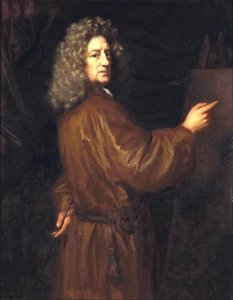
Nicolaes Maes
1634 - 1693 , Países Bajos
Datos clave
- Artistas Que Influyeron: ['Rembrandt']
- Fecha De Fallecimiento: Diciembre de 1693
- Fecha De Nacimiento: Enero de 1634
- Lugar De Nacimiento: Dordrecht, Países Bajos
- Movimiento Artístico: Edad de Oro Neerlandesa
- Nacionalidad: Neerlandés
- Nombre Completo: Nicolaes Maes
- Obras Notables:
- La Reverie
- Los Jugadores de Cartas
- Niños con un Carro de Cabras
- Retrato de Laurence Hyde
- Retrato de Jan de Reus
- Retrato de un Hombre en Peluca Negra
Artículos relacionados

Reflejos de una Época Dorada: La Pintura Barroca Holandesa y la Innovación Cultural
Descubra la riqueza y el detalle de la pintura barroca holandesa del Siglo de Oro. Explore las obras maestras de Rembrandt, Vermeer y otros artistas clave. Análisis experto e historia cultural.

Mastering Light & Shadow: A Journey Through the Dutch Golden Age's Luminous Legacy
Embark on a cultural journey through the Dutch Golden Age. Explore the masterful interplay of light and shadow in 17th-century masterpieces, from Rembrandt to Vermeer, and discover how this era of profound realism continues to inspire fine art collectors today.

Los 10 Maestros del Siglo de Oro Holandés: Arte, Historia y Decoración Exclusiva
Descubre los 10 imprescindibles del Siglo de Oro Holandés: Rembrandt, Vermeer y más. Explora la historia, técnica y belleza de estos lienzos clásicos. Encuentra reproducciones de arte exclusivas para decorar tu hogar en .
Nicolaes Berchem: Dutch Golden Age Pastoralism & the Evolution of Landscape Painting
Explore the captivating world of Nicolaes Berchem, a leading Dutch Golden Age painter. Discover his idyllic landscapes, masterful technique & lasting influence on art history. Learn more at OriginalUniqueArt.

Golden Light & Dutch Skies: The Timeless Magic of Dutch Golden Age Landscapes
Discover the breathtaking beauty of Dutch Golden Age landscapes. Explore the mastery of light, chiaroscuro, and 17th-century realism through an expert art history lens, celebrating the enduring legacy of the Dutch Masters for discerning collectors and art lovers.