Vista previa
 Compartir
 Compartir
 Ver detalles
 Guía
Guía

 Descargar
 Ver artículos similares
 Radiografía
 Presentación de diapositivas
 Estadísticas
Vaydelots


 Leer más
Giclée / Impresión de arte
Impresiones giclée o en lienzo de calidad de museo con producción rápida y opciones de acabado flexibles. ( Encargar reproducción pintada a mano Ver versión en imagen digital)




P118B €10

P118H €10

P118W €10

P438Z €10

P508JH €12

P508YH €12

P805H €10

P805Z €10

P919BZ €10

P919G €10

P919XJ €10

P959ZH €10

P968JZ €12

W106C €8

W218G €10

W218JH €8

W218Y €10

W307PJ €10

W316G €10

W316PJ €8

W316Y €10

W398PJ €8

W4111J €10

W500HY €15

W500JH €15

W692G €12

W849H €8

W940BG €15

W953PJ €8




Elija entre nuestros tamaños predefinidos que respetan las proporciones originales de la obra.

Introduzca el ancho y el alto que necesite para adaptarse a su marco o pared. Una impresión solo puede recortarse, nunca hacerse más grande que la imagen original, por lo que un tamaño con una forma distinta perderá parte de la obra. Le enviaremos una maqueta digital para su aprobación antes de realizar cualquier impresión. La imagen que se muestra en esta página no refleja el recorte real; solo la maqueta lo hace.
Envío a todo el mundo () en 2 semanas en lugar de las 4/5 semanas estándar. (22 octubre)

Envío exprés gratuito a todo el mundo

Lienzo de lino de alta calidad

Seguro de envío completo

Garantía de reembolso de impuestos aduaneros

Garantía de fidelidad cromática exacta

Política de devolución de 100 días (solo por defectos)

Garantía de devolución del 100% del dinero

Oferta por volumen
 La opción de vidrio solo está disponible en tamaños inferiores a 110 cm.

Vaydelots
Giclée / Impresión de arte
Tamaño de la reproducción
-


Precio total
€ 70
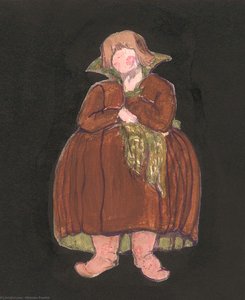
Vaydelots: A Symphony of Symbolism from Nicholas Roerich
Nicholas Roerich’s 1914 painting, “Vaydelots,” isn't merely a depiction of a coastal scene; it’s an immersive experience, a carefully constructed tableau brimming with symbolic resonance and the artist’s signature blend of Symbolism, mysticism, and profound connection to nature. The work transports the viewer to a serene beach bathed in the warm glow of twilight, yet beneath its tranquil surface lies a complex tapestry of meaning rooted in ancient traditions and Roerich's own evolving spiritual beliefs.
At first glance, “Vaydelots” presents a simple composition: two figures seated by a crackling fire pit on a rocky outcrop overlooking the sea. These aren’t isolated individuals; they are integral parts of a larger narrative woven through the landscape itself. The central tree, its roots seemingly emerging from the sand and reaching towards the heavens, dominates the scene – a potent symbol of life, growth, and connection to the earth's core. The fire pit, radiating warmth and light, represents not just physical comfort but also the enduring power of tradition, community, and spiritual contemplation. The figures themselves, shrouded in shadow yet clearly engaged in conversation, embody harmony and balance within this elemental setting.
Decoding the Symbolism
Roerich’s work is renowned for its intricate symbolism, often drawing from sources as diverse as ancient mythologies, Eastern philosophies, and his own personal spiritual journey. In “Vaydelots,” several key symbols converge to create a layered meaning. The presence of boats in the background evokes journeys – both literal and metaphorical – suggesting themes of exploration, transition, and the search for inner truth. The birds scattered throughout the scene represent messengers, guides, or perhaps even glimpses into other realms. More subtly, the arrangement of elements—the placement of the tree, the positioning of the figures—mirrors patterns found in sacred geometry and ancient cosmologies.
Notably, the painting’s title itself – “Vaydelots” – is significant. It refers to a mythical figure from Baltic folklore, often associated with wisdom, prophecy, and the guardianship of sacred places. This connection elevates the scene beyond a simple beachscape, imbuing it with an aura of ancient knowledge and spiritual significance. The painting’s creation during a period of immense social upheaval in Russia—the aftermath of the 1905 Revolution and the rise of Bolshevism—further underscores the symbolic weight of its themes: resilience, continuity, and the enduring power of tradition amidst chaos.
Roerich's Technique and Artistic Style
“Vaydelots” exemplifies Roerich’s distinctive artistic style, a synthesis of Symbolist aesthetics with elements of Russian landscape painting. He employed loose, expressive brushstrokes to capture the fluidity of light and shadow, creating an atmosphere of both serenity and mystery. The use of warm earth tones—ochres, browns, and golds—dominates the palette, evoking the warmth of the fire and the golden hues of a setting sun. Roerich’s masterful handling of texture adds depth and realism to the scene, particularly in the depiction of the rough-hewn rocks and the flickering flames of the fire.
The painting's composition is carefully balanced, drawing the eye towards the central tree and the figures while simultaneously creating a sense of spaciousness and openness. Roerich’s meticulous attention to detail—the subtle variations in color, the delicate rendering of foliage—contributes to the overall feeling of authenticity and invites the viewer to lose themselves within the scene.
A Timeless Masterpiece – Reproduction Possibilities
OriginalUniqueArt.com is proud to offer meticulously crafted hand-painted oil painting reproductions of “Vaydelots,” allowing art enthusiasts to experience the beauty and depth of this iconic work firsthand. Our skilled artisans replicate Roerich’s unique style with exceptional accuracy, capturing not only the visual details but also the emotional resonance of the original. Whether you're seeking a stunning addition to your home décor or an investment in a timeless piece of art history, our reproductions provide a faithful and accessible representation of this remarkable painting.
Explore the full depth of Nicholas Roerich’s artistic vision through OriginalUniqueArt.com – where artistry meets preservation.
Preguntas y respuestas
¿Qué tamaño de reproducción se sugiere para "Vaydelots" de Nicolás Roerich?
Se recomienda imprimir "Vaydelots" en un tamaño de Grande. Otros tamaños están disponibles con las mismas proporciones.
¿Qué paleta de colores se utiliza en "Vaydelots" de Nicolás Roerich?
La paleta de "Vaydelots" de Nicolás Roerich se describe como Tonos oscuros. Es una descripción concisa de los colores de la obra.
¿Dónde se recomienda exhibir el formato Cuadrado de "Vaydelots"?
Con su formato Cuadrado, se sugiere una reproducción de "Vaydelots" para un Salón principal.
Biografía del artista
Nicholas Roerich: Vida, Arte y Legado
Primeros Años y Educación
- Nikolai Konstantinovich Roerich nació el 9 de octubre de 1874 en San Petersburgo, Rusia.
- Su padre, un notario alemán del Báltico, y su madre, una mujer rusa, fomentaron una temprana apreciación por las artes en él.
- Roerich estudió tanto derecho como arte simultáneamente, matriculándose en la Universidad de San Petersburgo y la Academia Imperial de Artes en 1893.
- Recibió el título de “Artista” en 1897 y un título de abogado al año siguiente.
Deseos Artísticos e Influencias
- El desarrollo artístico de Roerich fue significativamente influenciado por el Simbolismo Ruso, un movimiento que enfatizaba la espiritualidad y la profundidad emocional.
- Se involucró con la sociedad “Arte del Mundo” de Serguéi Diáguilev, eventualmente convirtiéndose en su presidente desde 1910 hasta 1916.
- Su trabajo temprano mostró una fascinación por la arqueología y el diseño teatral, lo que llevó a colaboraciones en producciones para los Ballets Russes.
- También se vio influenciado por apócrifos y escrituras secretistas medievales como el Libro de la Paloma.
Colaboración con los Ballets Russes
- Los diseños de Roerich para los Ballets Russes fueron muy elogiados, particularmente su trabajo en Príncipe Igor de Alexander Borodin (1909) e El Ritual de la Primavera de Igor Stravinsky (1913).
- Sus diseños escénicos combinaban la investigación histórica con el arte imaginativo, creando producciones visualmente impresionantes.
- Esta colaboración lo estableció como una figura destacada en el diseño teatral a principios del siglo XX.
Desarrollo Artístico y Temas
- Las pinturas de Roerich evolucionaron para incorporar temas cada vez más místicos y espirituales, reflejando su creciente interés en la Teosofía y las religiones orientales.
- Su serie Estudios Arquitectónicos (1904–1905) demostró su destreza arquitectónica y su compromiso con la preservación del patrimonio cultural.
- Motivos recurrentes en su obra incluyen paisajes majestuosos, ciudades antiguas y figuras religiosas como San Panteleimon y Kuan Yin.
- A menudo representaba el Himalaya, una región que tenía un profundo significado espiritual para él.
Logros y Reconocimientos Principales
- Roerich fue un defensor dedicado de la protección del arte y la arquitectura durante los tiempos de guerra.
- Sus esfuerzos llevaron a la creación del Pacto Roerich (1935), un tratado internacional para la preservación de objetos culturales, lo que le valió múltiples nominaciones al Premio Nobel de la Paz.
- Viajó extensamente por Asia Central, realizando investigaciones arqueológicas y documentando culturas antiguas.
- Su obra se exhibe en importantes colecciones museísticas en todo el mundo, incluida la Galería de Pinturas Estatal de Astrakhan.
Significado Histórico y Legado
- El impacto de Nicholas Roerich en el arte y la cultura rusos es inmensurable.
- Puenteó la brecha entre la expresión artística y la exploración espiritual, influyendo a generaciones de artistas e intelectuales.
- Su compromiso con la preservación cultural sigue siendo relevante hoy en día, destacando la importancia de proteger nuestro patrimonio compartido.
- El legado de Roerich se extiende más allá de sus pinturas; es recordado como un artista visionario, erudito y humanitario.

Nicolás Roerich
1874 - 1947 , Rusia
Datos clave
- Artistas Que Influyeron:
- León Tolstói
- Arjip Kuindzhi
- Fecha De Muerte: 13 de diciembre de 1947
- Fecha De Nacimiento: 9 de octubre de 1874
- Influenciado A Artistas: ['Artistas e intelectuales']
- Lugar De Nacimiento: San Petersburgo, Rusia
- Movimiento Artístico: Simbolismo Ruso
- Nacionalidad: Ruso
- Nombre Completo: Nicolás Roerich
- Obras Notables:
- Camino al Kailas 4
- Monte de cinco tesoros
- Puente de Gloria
- Lago de las Nagas
- Tempe-jal-tzen-baykin
Artículos relacionados
Vasily Polenov: A Pioneer of Landscape Impressionism & Russian National Identity
Explore the captivating landscapes of Vasily Polenov, a pivotal figure in Russian art history. Discover his lyrical realism, biblical series & influence on Impressionism. Learn about the 'Knight of Beauty' and his enduring legacy.

Ivan Bilibin: A Synthesis of Folklore, Modernism & National Identity in Russian Illustration
Explore the enchanting world of Ivan Bilibin, a master Russian illustrator who synthesized folklore, Art Nouveau & national identity. Discover his iconic fairy tale illustrations and legacy with OriginalUniqueArt.

Nicholas Roerich: Mysticism, Mountains & the Search for Ageless Wisdom in Art
Explore the captivating art of Nicholas Roerich – a visionary painter whose Himalayan landscapes blend spiritual mysticism with cultural preservation. Discover his legacy & symbolism.

Paisajes Románticos: 10 Obras Maestras que Definieron un Movimiento Artístico
Descubre los 10 paisajes románticos más influyentes de artistas como Caspar David Friedrich y Turner. Explora la belleza, el simbolismo y las técnicas del movimiento romántico. Reproducciones de arte exclusivas en OriginalUniqueArt.com.

Evocations of Place: A Historical Journey Through Landscape Art
Explore the rich history of landscape art with OriginalUniqueArt. Discover renowned artists, movements like Impressionism & Romanticism, and expert guidance for collecting timeless pieces. Find your perfect serene escape today!