Vista previa
 Compartir
 Compartir
 Ver detalles

 Descargar
 Ver artículos similares
 Radiografía
 Presentación de diapositivas
 Estadísticas
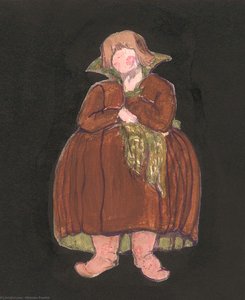
Town (sketch for carpet)


 Leer más
Giclée / Impresión de arte
Impresiones giclée o en lienzo de calidad de museo con producción rápida y opciones de acabado flexibles. ( Encargar reproducción pintada a mano Ver versión en imagen digital)




P118B $10

P118H $10

P118W $10

P438Z $10

P508JH $12

P508YH $12

P805H $10

P805Z $10

P919BZ $10

P919G $10

P919XJ $10

P959ZH $10

P968JZ $12

W106C $8

W218G $10

W218JH $8

W218Y $10

W307PJ $10

W316G $10

W316PJ $8

W316Y $10

W398PJ $8

W4111J $10

W500HY $15

W500JH $15

W692G $12

W849H $8

W940BG $15

W953PJ $8




Elija entre nuestros tamaños predefinidos que respetan las proporciones originales de la obra.

Puede introducir sus propias dimensiones para adaptarse a un marco o espacio específico. Si el tamaño seleccionado no coincide con las proporciones de la imagen original, recortaremos la obra de arte o extenderemos la imagen con un borde con efecto espejo o de color sólido. Se enviará una maqueta digital para su aprobación antes de que comience la producción.
Tenga en cuenta que la vista previa en pantalla no refleja el recorte o la extensión real. Solo la maqueta mostrará con precisión la composición final.
Aunque existen tamaños personalizados, recomendamos seleccionar una dimensión de la lista predefinida para preservar las proporciones originales.
Envío a todo el mundo () en 2 semanas en lugar de las 4/5 semanas estándar. (15 septiembre)

Envío exprés gratuito a todo el mundo

Lienzo de lino de alta calidad

Seguro de envío completo

Garantía de reembolso de impuestos aduaneros

Garantía de fidelidad cromática exacta

Política de devolución de 100 días (solo por defectos)

Garantía de devolución del 100% del dinero

Oferta por volumen
 La opción de vidrio solo está disponible en tamaños inferiores a 110 cm.

Town (sketch for carpet)
Giclée / Impresión de arte
Tamaño de la reproducción
-


Precio total
$ 80
Nicholas Roerich’s “Town (Sketch for Carpet)” – A Vision of Serene Power
This captivating blue and white artwork, "Town (Sketch for Carpet)," offers a glimpse into the creative process of one of the 20th century's most intriguing artists, Nicholas Roerich. Painted in 1906, this sketch transcends mere topographical representation; it’s a carefully constructed tableau brimming with symbolic resonance and reflecting Roerich’s evolving artistic philosophy. The scene depicts a fortified town nestled upon a prominent hill, overlooking a tranquil body of water – a classic compositional device employed throughout Western art history to evoke feelings of stability, order, and aspiration. The deliberate use of blue and white hues contributes significantly to the artwork's serene atmosphere, reminiscent of traditional Russian icon painting while simultaneously embracing the burgeoning modernist aesthetic gaining traction at the time.
- Subject Matter: The central focus is a castle, a recurring motif in Roerich’s work representing strength, protection, and spiritual aspiration. Its placement atop a hill immediately establishes a hierarchy, suggesting dominion and control over the surrounding landscape.
- Compositional Elements: The inclusion of figures – some near the castle, others further away – adds a human element to the scene, hinting at the relationship between humanity and power. The soaring bird, a frequent symbol in Roerich’s oeuvre, represents freedom, spirituality, and connection to higher realms.
- Color Palette: The dominant use of blue and white creates a sense of tranquility and spiritual depth, echoing the artist's interest in Eastern philosophies and their emphasis on harmony and balance. The cool tones contribute to an overall feeling of contemplation and peace.
Roerich’s Artistic Journey & the “Sketch for Carpet”
Nicholas Roerich was a profoundly complex figure, simultaneously a dedicated artist, archaeologist, explorer, and philosopher. His work in 1906 reflects this multifaceted nature. The "Town (Sketch for Carpet)" wasn't intended as a finished masterpiece but rather a preliminary study – a “sketch” – conceived for a carpet design. This reveals Roerich’s practical approach to artmaking, often starting with a tangible object and then developing an artistic concept around it. The sketch’s relatively unfinished quality adds to its charm, inviting the viewer to participate in completing the image within their own imagination.
Roerich's early training at St. Petersburg University and the Imperial Academy of Arts instilled in him a rigorous intellectual approach to art. He was deeply influenced by both Western artistic traditions – particularly Byzantine iconography – and Eastern spiritual philosophies, seeking to synthesize these diverse influences into his unique visual language. This is evident in the artwork’s careful balance between realistic depiction and symbolic representation.
Technique & Materials
While specific details of Roerich's technique are difficult to ascertain definitively given the sketch nature of the work, it likely employed oil paints on a prepared canvas or board. Roerich was known for his meticulous brushwork and layering of colors, building up complex textures and luminous effects. The precision in rendering the castle’s stonework and the subtle gradations of blue suggest considerable skill and patience. Considering its intended use as a carpet design sketch, the artwork likely prioritized clarity and strong outlines – features that would translate effectively into a repeating pattern.
Symbolic Resonance & Emotional Impact
"Town (Sketch for Carpet)" is more than just a picturesque scene; it’s imbued with profound symbolic meaning. The castle represents not only physical defense but also spiritual protection, while the water symbolizes the subconscious mind and the flow of life. The bird's flight suggests aspiration towards enlightenment. This artwork evokes a sense of quiet contemplation, inviting viewers to reflect on themes of power, spirituality, and the human condition. It’s a testament to Roerich’s ability to create works that are both visually stunning and intellectually stimulating – a characteristic that continues to resonate with audiences today.
Biografía del artista
Nicholas Roerich: Vida, Arte y Legado
Primeros Años y Educación
- Nikolai Konstantinovich Roerich nació el 9 de octubre de 1874 en San Petersburgo, Rusia.
- Su padre, un notario alemán del Báltico, y su madre, una mujer rusa, fomentaron una temprana apreciación por las artes en él.
- Roerich estudió tanto derecho como arte simultáneamente, matriculándose en la Universidad de San Petersburgo y la Academia Imperial de Artes en 1893.
- Recibió el título de “Artista” en 1897 y un título de abogado al año siguiente.
Deseos Artísticos e Influencias
- El desarrollo artístico de Roerich fue significativamente influenciado por el Simbolismo Ruso, un movimiento que enfatizaba la espiritualidad y la profundidad emocional.
- Se involucró con la sociedad “Arte del Mundo” de Serguéi Diáguilev, eventualmente convirtiéndose en su presidente desde 1910 hasta 1916.
- Su trabajo temprano mostró una fascinación por la arqueología y el diseño teatral, lo que llevó a colaboraciones en producciones para los Ballets Russes.
- También se vio influenciado por apócrifos y escrituras secretistas medievales como el Libro de la Paloma.
Colaboración con los Ballets Russes
- Los diseños de Roerich para los Ballets Russes fueron muy elogiados, particularmente su trabajo en Príncipe Igor de Alexander Borodin (1909) e El Ritual de la Primavera de Igor Stravinsky (1913).
- Sus diseños escénicos combinaban la investigación histórica con el arte imaginativo, creando producciones visualmente impresionantes.
- Esta colaboración lo estableció como una figura destacada en el diseño teatral a principios del siglo XX.
Desarrollo Artístico y Temas
- Las pinturas de Roerich evolucionaron para incorporar temas cada vez más místicos y espirituales, reflejando su creciente interés en la Teosofía y las religiones orientales.
- Su serie Estudios Arquitectónicos (1904–1905) demostró su destreza arquitectónica y su compromiso con la preservación del patrimonio cultural.
- Motivos recurrentes en su obra incluyen paisajes majestuosos, ciudades antiguas y figuras religiosas como San Panteleimon y Kuan Yin.
- A menudo representaba el Himalaya, una región que tenía un profundo significado espiritual para él.
Logros y Reconocimientos Principales
- Roerich fue un defensor dedicado de la protección del arte y la arquitectura durante los tiempos de guerra.
- Sus esfuerzos llevaron a la creación del Pacto Roerich (1935), un tratado internacional para la preservación de objetos culturales, lo que le valió múltiples nominaciones al Premio Nobel de la Paz.
- Viajó extensamente por Asia Central, realizando investigaciones arqueológicas y documentando culturas antiguas.
- Su obra se exhibe en importantes colecciones museísticas en todo el mundo, incluida la Galería de Pinturas Estatal de Astrakhan.
Significado Histórico y Legado
- El impacto de Nicholas Roerich en el arte y la cultura rusos es inmensurable.
- Puenteó la brecha entre la expresión artística y la exploración espiritual, influyendo a generaciones de artistas e intelectuales.
- Su compromiso con la preservación cultural sigue siendo relevante hoy en día, destacando la importancia de proteger nuestro patrimonio compartido.
- El legado de Roerich se extiende más allá de sus pinturas; es recordado como un artista visionario, erudito y humanitario.

Nicolás Roerich
1874 - 1947 , Rusia
Datos clave
- Artistas Que Influyeron:
- León Tolstói
- Arjip Kuindzhi
- Fecha De Muerte: 13 de diciembre de 1947
- Fecha De Nacimiento: 9 de octubre de 1874
- Influenciado A Artistas: ['Artistas e intelectuales']
- Lugar De Nacimiento: San Petersburgo, Rusia
- Movimiento Artístico: Simbolismo Ruso
- Nacionalidad: Ruso
- Nombre Completo: Nicolás Roerich
- Obras Notables:
- Camino al Kailas 4
- Monte de cinco tesoros
- Puente de Gloria
- Lago de las Nagas
- Tempe-jal-tzen-baykin
Artículos relacionados

Blanco Sublime: Los 10 Cuadros Más Famosos Dominados por la Luz y el Color
Descubre los 10 cuadros blancos más emblemáticos de la historia del arte. Explora Monet, Van Gogh y Klimt, y su magistral uso de la luz y el color. Encuentra reproducciones de alta calidad e inspírate para tu decoración en .

Las 10 Obras Maestras del Azul Pizarra: Arte, Historia y Decoración
Descubre las 10 pinturas más famosas dominadas por el azul pizarra. Explora la historia, técnica y belleza de Monet, Van Gogh y otros maestros. Encuentra reproducciones de arte exclusivas para decorar tu hogar en .

Ivan Bilibin: A Synthesis of Folklore, Modernism & National Identity in Russian Illustration
Explore the enchanting world of Ivan Bilibin, a master Russian illustrator who synthesized folklore, Art Nouveau & national identity. Discover his iconic fairy tale illustrations and legacy with OriginalUniqueArt.

Serene Blue Backgrounds: Discover Soulful Art to Transform Your Space with Timeless Elegance
Transform your home with soulful blue art. From serene Monet impressions to modern textured sculptures, discover curated masterpieces designed to inspire calm. Explore expert art consultations and bespoke hand-painted reproductions to create your personal sanctuary.
The Allure of Azure: Exploring the Symbolic & Aesthetic Depths of Blue in Art History
Explore the rich history of blue in art! Discover its symbolism, from ancient pigments to modern masterpieces by Kandinsky & Seurat. Uncover the psychological impact and cultural meanings behind this captivating hue.