Ver en contexto
 Enviar
 Compartir
 Detalles
 Guía
Guía

 Descargar
 Similares
 Radiografía
 Presentación de diapositivas
 Estadísticas
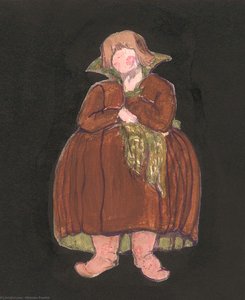
**Título:** Salvador Todopoderoso
 Acrílico sobre lienzo
- Arte de pared
- Byzantine Art
 1907
1907- Siglo XIX
 127.0 x 102.0 cm
 Ver más
Giclée / Impresión de arte
Impresiones giclée o en lienzo de calidad de museo con producción rápida y opciones de acabado flexibles. ( Comprar pintura hecha a mano Cambiar a imagen digital)




P118B €10

P118H €10

P118W €10

P438Z €10

P508JH €12

P508YH €12

P805H €10

P805Z €10

P919BZ €10

P919G €10

P919XJ €10

P959ZH €10

P968JZ €12

W106C €8

W218G €10

W218JH €8

W218Y €10

W307PJ €10

W316G €10

W316PJ €8

W316Y €10

W398PJ €8

W4111J €10

W500HY €15

W500JH €15

W692G €12

W849H €8

W940BG €15

W953PJ €8




Elija entre nuestros tamaños predefinidos que respetan las proporciones originales de la obra.

Introduzca el ancho y el alto que necesite para adaptarse a su marco o pared. Una impresión solo puede recortarse, nunca hacerse más grande que la imagen original, por lo que un tamaño con una forma distinta perderá parte de la obra. Le enviaremos una maqueta digital para su aprobación antes de realizar cualquier impresión. La imagen que se muestra en esta página no refleja el recorte real; solo la maqueta lo hace.
Envío a todo el mundo () en 2 semanas en lugar de las 4/5 semanas estándar. (26 octubre)

Envío exprés gratuito a todo el mundo

Lienzo de lino de alta calidad

Seguro de envío total

Garantía de reembolso de aranceles aduaneros

Garantía de fidelidad cromática exacta

Política de devolución de 100 días (solo por defectos)

Garantía de devolución del 100% del dinero

Descuento por cantidad
 La opción de vidrio solo está disponible en tamaños inferiores a 110 cm.

**Título:** Salvador Todopoderoso
Giclée / Impresión de arte
Dimensiones de la reproducción
-


Precio total final
€ 70
A Vision of Spiritual Majesty: Nicholas Roerich's "Saviour Almighty"
Nicholas Roerich’s “Saviour Almighty” is more than just a depiction of Christ; it’s a profound meditation on faith, sacrifice, and the enduring human spirit. Painted in 1907 during his formative years as a Symbolist artist, this work immediately reveals Roerich's fascination with Byzantine iconography and its potent symbolism. The painting’s power lies not merely in its technical execution – though that is undeniably masterful – but in its ability to evoke a deeply felt sense of reverence and contemplation.
Byzantine Roots & Symbolism
Roerich was profoundly influenced by the art of the Byzantine Empire, particularly the icons produced for the Eastern Orthodox Church. “Saviour Almighty” embodies this influence perfectly. The elongated figure of Christ, rendered with a serene yet powerful presence, is characteristic of Byzantine depictions. The use of gold leaf – a hallmark of Byzantine mosaics and icons – creates an ethereal glow, elevating the scene to a realm beyond the earthly. Notice the deliberate lack of detail in Christ’s face; this isn't about photographic realism but about conveying spiritual truth through simplified form. The halo, a universal symbol of divinity, radiates outwards, drawing the viewer into the heart of the image. The composition itself – Christ centrally positioned against a dark, undefined background – echoes traditional iconographic conventions designed to focus attention on the divine subject.
Technique & Artistic Process
Roerich employed oil paints with meticulous care, layering them in thin glazes to achieve the luminous quality of gold and the subtle gradations of color. The brushwork is remarkably smooth, contributing to the painting’s sense of calm and stability. He meticulously studied the techniques of Byzantine artists, striving to capture not just the visual appearance but also the spiritual essence of the subject. Interestingly, Roerich's interest in hypnosis and esoteric studies informed his artistic process; he believed that art could be a conduit for accessing higher states of consciousness. The painting’s almost hypnotic quality is a testament to this belief.
A Legacy of Spiritual Exploration
"Saviour Almighty" represents a pivotal moment in Roerich's artistic journey, foreshadowing his later explorations into Eastern mysticism and his lifelong dedication to preserving cultural heritage. It stands as a powerful example of Symbolist art’s ability to transcend mere representation and engage the viewer on a deeply emotional and spiritual level. Today, this reproduction offers an opportunity to experience the profound beauty and timeless wisdom contained within Roerich's masterpiece – a piece that continues to inspire awe and contemplation.
Preguntas y respuestas
¿En qué año se creó "**Título:** Salvador Todopoderoso" de Nicolás Roerich?
"**Título:** Salvador Todopoderoso" data de 1907. Esta fecha sitúa la obra dentro de la trayectoria de Nicolás Roerich y de su época.
¿Qué paleta de colores y qué emoción evocan "**Título:** Salvador Todopoderoso"?
La paleta Tonos oscuros de "**Título:** Salvador Todopoderoso" de Nicolás Roerich armoniza con su tono emocional Enigmático. El color es una de las formas en que una obra transmite sentimiento.
¿Cómo puedo descubrir obras de arte similares a "**Título:** Salvador Todopoderoso" de Nicolás Roerich?
Puedes encontrar obras similares a "**Título:** Salvador Todopoderoso" de Nicolás Roerich en la página de Obras similares de esta obra.
Biografía del artista
Nicholas Roerich: Vida, Arte y Legado
Primeros Años y Educación
- Nikolai Konstantinovich Roerich nació el 9 de octubre de 1874 en San Petersburgo, Rusia.
- Su padre, un notario alemán del Báltico, y su madre, una mujer rusa, fomentaron una temprana apreciación por las artes en él.
- Roerich estudió tanto derecho como arte simultáneamente, matriculándose en la Universidad de San Petersburgo y la Academia Imperial de Artes en 1893.
- Recibió el título de “Artista” en 1897 y un título de abogado al año siguiente.
Deseos Artísticos e Influencias
- El desarrollo artístico de Roerich fue significativamente influenciado por el Simbolismo Ruso, un movimiento que enfatizaba la espiritualidad y la profundidad emocional.
- Se involucró con la sociedad “Arte del Mundo” de Serguéi Diáguilev, eventualmente convirtiéndose en su presidente desde 1910 hasta 1916.
- Su trabajo temprano mostró una fascinación por la arqueología y el diseño teatral, lo que llevó a colaboraciones en producciones para los Ballets Russes.
- También se vio influenciado por apócrifos y escrituras secretistas medievales como el Libro de la Paloma.
Colaboración con los Ballets Russes
- Los diseños de Roerich para los Ballets Russes fueron muy elogiados, particularmente su trabajo en Príncipe Igor de Alexander Borodin (1909) e El Ritual de la Primavera de Igor Stravinsky (1913).
- Sus diseños escénicos combinaban la investigación histórica con el arte imaginativo, creando producciones visualmente impresionantes.
- Esta colaboración lo estableció como una figura destacada en el diseño teatral a principios del siglo XX.
Desarrollo Artístico y Temas
- Las pinturas de Roerich evolucionaron para incorporar temas cada vez más místicos y espirituales, reflejando su creciente interés en la Teosofía y las religiones orientales.
- Su serie Estudios Arquitectónicos (1904–1905) demostró su destreza arquitectónica y su compromiso con la preservación del patrimonio cultural.
- Motivos recurrentes en su obra incluyen paisajes majestuosos, ciudades antiguas y figuras religiosas como San Panteleimon y Kuan Yin.
- A menudo representaba el Himalaya, una región que tenía un profundo significado espiritual para él.
Logros y Reconocimientos Principales
- Roerich fue un defensor dedicado de la protección del arte y la arquitectura durante los tiempos de guerra.
- Sus esfuerzos llevaron a la creación del Pacto Roerich (1935), un tratado internacional para la preservación de objetos culturales, lo que le valió múltiples nominaciones al Premio Nobel de la Paz.
- Viajó extensamente por Asia Central, realizando investigaciones arqueológicas y documentando culturas antiguas.
- Su obra se exhibe en importantes colecciones museísticas en todo el mundo, incluida la Galería de Pinturas Estatal de Astrakhan.
Significado Histórico y Legado
- El impacto de Nicholas Roerich en el arte y la cultura rusos es inmensurable.
- Puenteó la brecha entre la expresión artística y la exploración espiritual, influyendo a generaciones de artistas e intelectuales.
- Su compromiso con la preservación cultural sigue siendo relevante hoy en día, destacando la importancia de proteger nuestro patrimonio compartido.
- El legado de Roerich se extiende más allá de sus pinturas; es recordado como un artista visionario, erudito y humanitario.

Nicolás Roerich
1874 - 1947 , Rusia
Datos clave
- Artistas Que Influyeron:
- León Tolstói
- Arjip Kuindzhi
- Fecha De Muerte: 13 de diciembre de 1947
- Fecha De Nacimiento: 9 de octubre de 1874
- Influenciado A Artistas: ['Artistas e intelectuales']
- Lugar De Nacimiento: San Petersburgo, Rusia
- Movimiento Artístico: Simbolismo Ruso
- Nacionalidad: Ruso
- Nombre Completo: Nicolás Roerich
- Obras Notables:
- Camino al Kailas 4
- Monte de cinco tesoros
- Puente de Gloria
- Lago de las Nagas
- Tempe-jal-tzen-baykin
Artículos relacionados
La Alquimia del Pan de Oro: El Legado de la Luz Sagrada en el Arte Bizantino y Renacentista
Descubre la maestría técnica del pan de oro desde el arte bizantino al Renacimiento. Explora este legado de luz y devoción ahora.
Oro en el Arte: Los 10 Cuadros Más Famosos con Hoja de Oro | OriginalUniqueArt
Descubre los 10 cuadros más famosos con hoja de oro, desde Klimt hasta el arte bizantino. Explora la historia, técnica y belleza de estas obras maestras doradas. Reproducciones de arte exclusivas en OriginalUniqueArt.com.

Brillo Eterno: El Poder del Pan de Oro en el Arte Bizantino y Renacentista
Descubre el simbolismo y la técnica del pan de oro en el arte bizantino y renacentista. Explora este legado de luz y maestría ahora.
Golden Splendor: An Editorial Journey Through Art's Most Radiant Masterpieces
Embark on a visual journey through the world's most radiant masterpieces. Discover how gold leaf, impasto textures, and gilded tones define luxury in fine art, from Byzantine icons to modern abstracts. Explore the eternal allure of gold in curated, museum-quality art collections.
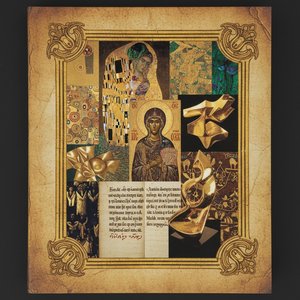
The Allure of Gold in Art History: Symbolism, Technique & Cultural Significance
Explore the rich history of gold in art! Discover symbolism, techniques & cultural significance from ancient civilizations to Klimt's masterpieces. Expert insights for collectors at OriginalUniqueArt.