 Vista previa
 Compartir
 Compartir
 Ver detalles
 Guía
Guía

 Descargar
 Ver artículos similares
 Radiografía
 Presentación de diapositivas
 Estadísticas
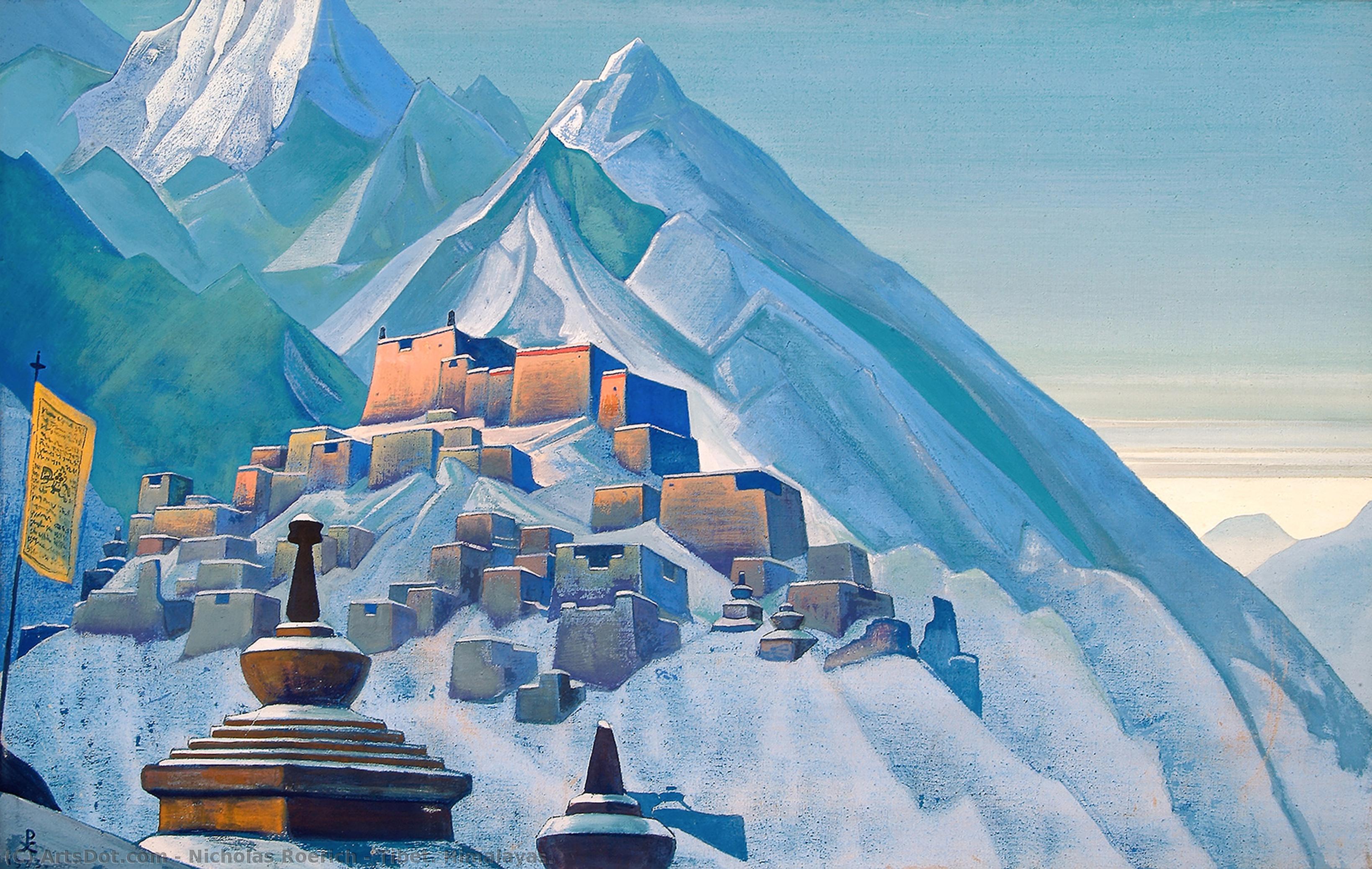
Tibet. Himalayas.
 Symbolist Painting
 1933
1933- 19th Century
 73.0 x 116.0 cm
 Leer más
Giclée / Impresión de arte
Impresiones giclée o en lienzo de calidad de museo con producción rápida y opciones de acabado flexibles. ( Encargar reproducción pintada a mano Ver versión en imagen digital)




P118B €10

P118H €10

P118W €10

P438Z €10

P508JH €12

P508YH €12

P805H €10

P805Z €10

P919BZ €10

P919G €10

P919XJ €10

P959ZH €10

P968JZ €12

W106C €8

W218G €10

W218JH €8

W218Y €10

W307PJ €10

W316G €10

W316PJ €8

W316Y €10

W398PJ €8

W4111J €10

W500HY €15

W500JH €15

W692G €12

W849H €8

W940BG €15

W953PJ €8




Elija entre nuestros tamaños predefinidos que respetan las proporciones originales de la obra.

Introduzca el ancho y el alto que necesite para adaptarse a su marco o pared. Una impresión solo puede recortarse, nunca hacerse más grande que la imagen original, por lo que un tamaño con una forma distinta perderá parte de la obra. Le enviaremos una maqueta digital para su aprobación antes de realizar cualquier impresión. La imagen que se muestra en esta página no refleja el recorte real; solo la maqueta lo hace.
Envío a todo el mundo () en 2 semanas en lugar de las 4/5 semanas estándar. (22 octubre)

Envío exprés gratuito a todo el mundo

Lienzo de lino de alta calidad

Seguro de envío completo

Garantía de reembolso de impuestos aduaneros

Garantía de fidelidad cromática exacta

Política de devolución de 100 días (solo por defectos)

Garantía de devolución del 100% del dinero

Oferta por volumen
 La opción de vidrio solo está disponible en tamaños inferiores a 110 cm.

Tibet. Himalayas.
Giclée / Impresión de arte
Tamaño de la reproducción
-


Precio total
€ 70
Tibet. Himalayas.: A Journey of Spirit Through Color and Form
- Artist: Nicholas Roerich
- Title: Tibet. Himalayas.
- Date: 1933
- Medium: Tempera on Canvas
- Size: 73 x 116 cm
Symbolic Layers: A Temple Within the Peaks
At first glance, “Tibet. Himalayas.” presents a dramatic vista of snow-capped peaks and a solitary monastery perched precariously on their slopes. However, a closer examination reveals a complex tapestry of symbolic elements deeply rooted in Roerich’s worldview. The castle atop the mountain isn't merely an architectural feature; it represents spiritual enlightenment – a culmination of the arduous journey towards self-realization. The surrounding statues, strategically placed throughout the landscape, symbolize this very quest, acting as guides and reminders for the viewer. The imposing mountains themselves are not simply geological formations but embodiments of purity and the challenges inherent in achieving spiritual growth, mirroring the obstacles one must overcome on their path to enlightenment. Roerich’s meticulous attention to detail ensures that every element contributes to this overarching symbolic narrative.The Artistry of Tempera: Vibrancy and Depth
Roerich's choice of tempera as his medium is crucial to understanding the painting’s impact. Tempera, known for its slow drying time and ability to build up layers of color, allows for a remarkable level of depth and luminosity. The bold brushstrokes and vivid colors – predominantly cool blues and whites – create a dynamic visual experience that draws the viewer into the mystical world depicted. Unlike oils, tempera resists blending excessively, preserving sharp edges and contributing to the painting’s sense of clarity and precision. This technique lends itself perfectly to Roerich's desire to capture not just the appearance but also the *feeling* of the Himalayas – a place of both awe-inspiring beauty and profound spiritual significance. The texture created through these deliberate brushstrokes adds another layer of complexity, inviting viewers to linger and explore the nuances of the scene.Historical Context & Legacy
Created during a period of intense interest in Eastern philosophy and spirituality within Western art circles, “Tibet. Himalayas.” reflects Roerich’s lifelong dedication to exploring these themes. His work was deeply influenced by his travels throughout Asia, particularly Tibet, where he spent considerable time studying Buddhist traditions and iconography. Roerich's legacy extends beyond this single painting; it encompasses a vast body of work that continues to inspire and provoke thought. His paintings are now housed in prestigious collections worldwide, including the Nicholas Roerich Museum in Moscow and New York City, solidifying his place as one of the most significant artists of the 20th century. A reproduction of “Tibet. Himalayas.” offers a unique opportunity to own a piece of this artistic heritage, bringing its beauty and symbolism into your home or office.Preguntas y respuestas
¿Qué tipo de colores utiliza "Tibet. Himalayas."?
"Tibet. Himalayas." de Nicolás Roerich utiliza una paleta de colores Neutrals. La paleta resume el carácter cromático general de la obra.
¿Qué lugar ocupa "Tibet. Himalayas." de Nicolás Roerich en la historia del arte?
"Tibet. Himalayas." de Nicolás Roerich pertenece al movimiento Symbolist Painting, dentro del periodo 19th Century. Juntos le otorgan a la obra su lugar en la historia del arte.
¿Es "Tibet. Himalayas." de Nicolás Roerich una obra de arte reconocida?
"Tibet. Himalayas." de Nicolás Roerich tiene un nivel de popularidad Recognized. Esta clasificación refleja el grado de reconocimiento de la obra.
Biografía del artista
Nicholas Roerich: Vida, Arte y Legado
Primeros Años y Educación
- Nikolai Konstantinovich Roerich nació el 9 de octubre de 1874 en San Petersburgo, Rusia.
- Su padre, un notario alemán del Báltico, y su madre, una mujer rusa, fomentaron una temprana apreciación por las artes en él.
- Roerich estudió tanto derecho como arte simultáneamente, matriculándose en la Universidad de San Petersburgo y la Academia Imperial de Artes en 1893.
- Recibió el título de “Artista” en 1897 y un título de abogado al año siguiente.
Deseos Artísticos e Influencias
- El desarrollo artístico de Roerich fue significativamente influenciado por el Simbolismo Ruso, un movimiento que enfatizaba la espiritualidad y la profundidad emocional.
- Se involucró con la sociedad “Arte del Mundo” de Serguéi Diáguilev, eventualmente convirtiéndose en su presidente desde 1910 hasta 1916.
- Su trabajo temprano mostró una fascinación por la arqueología y el diseño teatral, lo que llevó a colaboraciones en producciones para los Ballets Russes.
- También se vio influenciado por apócrifos y escrituras secretistas medievales como el Libro de la Paloma.
Colaboración con los Ballets Russes
- Los diseños de Roerich para los Ballets Russes fueron muy elogiados, particularmente su trabajo en Príncipe Igor de Alexander Borodin (1909) e El Ritual de la Primavera de Igor Stravinsky (1913).
- Sus diseños escénicos combinaban la investigación histórica con el arte imaginativo, creando producciones visualmente impresionantes.
- Esta colaboración lo estableció como una figura destacada en el diseño teatral a principios del siglo XX.
Desarrollo Artístico y Temas
- Las pinturas de Roerich evolucionaron para incorporar temas cada vez más místicos y espirituales, reflejando su creciente interés en la Teosofía y las religiones orientales.
- Su serie Estudios Arquitectónicos (1904–1905) demostró su destreza arquitectónica y su compromiso con la preservación del patrimonio cultural.
- Motivos recurrentes en su obra incluyen paisajes majestuosos, ciudades antiguas y figuras religiosas como San Panteleimon y Kuan Yin.
- A menudo representaba el Himalaya, una región que tenía un profundo significado espiritual para él.
Logros y Reconocimientos Principales
- Roerich fue un defensor dedicado de la protección del arte y la arquitectura durante los tiempos de guerra.
- Sus esfuerzos llevaron a la creación del Pacto Roerich (1935), un tratado internacional para la preservación de objetos culturales, lo que le valió múltiples nominaciones al Premio Nobel de la Paz.
- Viajó extensamente por Asia Central, realizando investigaciones arqueológicas y documentando culturas antiguas.
- Su obra se exhibe en importantes colecciones museísticas en todo el mundo, incluida la Galería de Pinturas Estatal de Astrakhan.
Significado Histórico y Legado
- El impacto de Nicholas Roerich en el arte y la cultura rusos es inmensurable.
- Puenteó la brecha entre la expresión artística y la exploración espiritual, influyendo a generaciones de artistas e intelectuales.
- Su compromiso con la preservación cultural sigue siendo relevante hoy en día, destacando la importancia de proteger nuestro patrimonio compartido.
- El legado de Roerich se extiende más allá de sus pinturas; es recordado como un artista visionario, erudito y humanitario.

Nicolás Roerich
1874 - 1947 , Rusia
Datos clave
- Artistas Que Influyeron:
- León Tolstói
- Arjip Kuindzhi
- Fecha De Muerte: 13 de diciembre de 1947
- Fecha De Nacimiento: 9 de octubre de 1874
- Influenciado A Artistas: ['Artistas e intelectuales']
- Lugar De Nacimiento: San Petersburgo, Rusia
- Movimiento Artístico: Simbolismo Ruso
- Nacionalidad: Ruso
- Nombre Completo: Nicolás Roerich
- Obras Notables:
- Camino al Kailas 4
- Monte de cinco tesoros
- Puente de Gloria
- Lago de las Nagas
- Tempe-jal-tzen-baykin
Artículos relacionados
El Resplandor del Tiempo: Explorando la Técnica y el Legado de la Témpera sobre Tabla
Descubra la fascinante historia y técnica de la témpera sobre tabla. Explore los materiales, el simbolismo y la conservación de esta antigua forma de arte con OriginalUniqueArt.

Illuminating History: A Comprehensive Exploration of Tempera Painting Techniques & Artistic Legacy
Explore the rich history & techniques of tempera painting! Discover Renaissance masters like Botticelli & Fra Angelico, conservation insights, and the enduring legacy of this captivating art form.

Nicholas Roerich: Mysticism, Mountains & the Search for Ageless Wisdom in Art
Explore the captivating art of Nicholas Roerich – a visionary painter whose Himalayan landscapes blend spiritual mysticism with cultural preservation. Discover his legacy & symbolism.
10 Obras Maestras del Temple que Revolucionaron la Historia del Arte | OriginalUniqueArt
Descubre 10 obras maestras del temple sobre tabla que revolucionaron el arte medieval y renacentista. Explora la historia de Botticelli, Van Eyck y Giotto. Reproducciones de arte de museo para decorar tu hogar con elegancia en OriginalUniqueArt.com.

The Timeless Glow of Tempera on Panel: A Guide to This Luminous Art Medium
Discover the luminous beauty of tempera on panel. Explore the historical techniques, egg-based alchemy, and enduring legacy of this radiant medium used by Renaissance masters to capture light and eternal grace.