Ver en contexto
 Enviar
 Compartir
 Detalles
 Guía
Guía

 Descargar
 Similares
 Radiografía
 Presentación de diapositivas
 Preguntas y respuestas
 Estadísticas
Bhagavan

- 45.0 x 79.0 cm


 Ver más
Giclée / Impresión de arte
Impresiones giclée o en lienzo de calidad de museo con producción rápida y opciones de acabado flexibles. ( Comprar pintura hecha a mano Cambiar a imagen digital)




P118B €10

P118H €10

P118W €10

P438Z €10

P508JH €12

P508YH €12

P805H €10

P805Z €10

P919BZ €10

P919G €10

P919XJ €10

P959ZH €10

P968JZ €12

W106C €8

W218G €10

W218JH €8

W218Y €10

W307PJ €10

W316G €10

W316PJ €8

W316Y €10

W398PJ €8

W4111J €10

W500HY €15

W500JH €15

W692G €12

W849H €8

W940BG €15

W953PJ €8




Elija entre nuestros tamaños predefinidos que respetan las proporciones originales de la obra.

Introduzca el ancho y el alto que necesite para adaptarse a su marco o pared. Una impresión solo puede recortarse, nunca hacerse más grande que la imagen original, por lo que un tamaño con una forma distinta perderá parte de la obra. Le enviaremos una maqueta digital para su aprobación antes de realizar cualquier impresión. La imagen que se muestra en esta página no refleja el recorte real; solo la maqueta lo hace.
Envío a todo el mundo () en 2 semanas en lugar de las 4/5 semanas estándar. (11 noviembre)

Envío exprés gratuito a todo el mundo

Lienzo de lino de alta calidad

Seguro de envío total

Garantía de reembolso de aranceles aduaneros

Garantía de fidelidad cromática exacta

Política de devolución de 100 días (solo por defectos)

Garantía de devolución del 100% del dinero

Descuento por cantidad
 La opción de vidrio solo está disponible en tamaños inferiores a 110 cm.

Bhagavan
Giclée / Impresión de arte
Dimensiones de la reproducción
-


Precio total final
€ 73
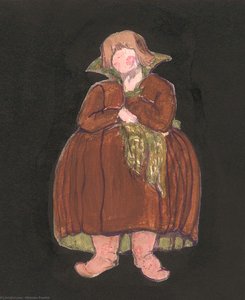
A Visionary's Embrace: Exploring Nicholas Roerich’s Bhagavan
Nicholas Roerich (1874–1947), born in Saint Petersburg, Russia, stands as an artist whose life was inextricably intertwined with the pursuit of spiritual enlightenment and artistic innovation. His journey began amidst the intellectual ferment of late 19th-century Russia, where he simultaneously honed his legal skills and nurtured a profound fascination for art – specifically, the theatrical productions spearheaded by Igor Stravinsky’s Ballets Russes. This formative experience would prove pivotal in shaping his distinctive aesthetic vision, one characterized by an unwavering devotion to symbolism and a deep connection with the Himalayan landscape. Roerich's artistic output spanned decades, encompassing paintings, sculptures, architectural designs, and writings that collectively explored themes of cosmic consciousness and universal harmony. He wasn’t merely depicting scenery; he was attempting to translate spiritual concepts into visual form, creating artworks imbued with layers of meaning intended to inspire contemplation and elevate the human spirit.- Subject Matter: Roerich's paintings frequently centered on Himalayan landscapes—particularly Kullu Valley—which served as his primary artistic home for much of his life. These vistas weren’t simply representations of physical terrain; they functioned as conduits to higher realms of consciousness, mirroring the artist’s own spiritual quest.
- Style: Roerich's style is undeniably Romantic, yet it transcends conventional categorization. Influenced by Vedanta philosophy and Tibetan Buddhism, his compositions exhibit a dreamlike quality—characterized by luminous colors, swirling brushstrokes, and an ethereal atmosphere. He deliberately eschewed realism in favor of conveying emotional resonance and spiritual significance.
Technique & Materials: Harmonious Synthesis
Roerich’s artistic process involved a meticulous layering of techniques—primarily tempera on canvas—combined with the incorporation of pigments derived from minerals and gemstones. This deliberate choice reflected his belief in aligning artistic expression with natural energies, mirroring the Himalayan environment he sought to capture. The artist painstakingly prepared each pigment, grinding it into powder and mixing it with resin and linseed oil, resulting in a surface finish that possessed remarkable depth and luminosity. Furthermore, Roerich experimented with pyrography—wood engraving—to create intricate monochrome prints that complemented his color paintings, reinforcing the overarching thematic unity of his oeuvre.- Color Palette: Roerich’s palette favored vibrant hues—particularly yellows and greens—which he believed symbolized vitality and spiritual illumination. These colors weren't applied randomly; they were carefully calibrated to evoke specific emotional responses and convey symbolic associations rooted in Eastern mysticism.
- Brushwork: His brushstrokes possessed a dynamic fluidity, mirroring the movement of wind and water within the Himalayan landscapes. Roerich employed swirling, undulating patterns that created an illusion of depth and conveyed a sense of cosmic rhythm—a deliberate stylistic choice intended to capture the essence of spiritual experience.
Symbolism & Spiritual Resonance: The Aureole’s Significance
Central to Roerich's artistic vision was the concept of “three spheres of achievement”—expressed visually through a stylized aureole surrounding the figure of a holy man. This emblem, borrowed from Tibetan Buddhist iconography, represents heroic feats (silver), synthesis (green), and vigilance (yellow)—elements considered essential for attaining spiritual enlightenment. The aureole’s radiant glow symbolizes divine illumination and underscores Roerich's aspiration to elevate viewers beyond mundane concerns toward contemplation of the transcendent realm. It encapsulates his belief that art could serve as a catalyst for personal transformation and contribute to fostering universal harmony.Emotional Impact & Legacy
Roerich’s paintings transcend mere visual representation; they invite viewers into a meditative state—stimulating introspection and prompting reflection on fundamental questions concerning existence. The serene beauty of the Himalayan landscapes combined with Roerich's masterful technique creates an immersive experience that resonates deeply with the human spirit. His enduring legacy lies not only in his artistic achievements but also in his unwavering commitment to promoting peace, cultural understanding, and spiritual exploration—values that continue to inspire artists and collectors alike.Preguntas y respuestas
¿Con qué otros nombres se conoce a Nicolás Roerich?
Nicolás Roerich también es conocido como N. Roerich, Nikolai Konstantinovich Roerich, Nikolai Konstantínovich Roerich.
¿Qué estado de ánimo y emoción se entrelazan en "Bhagavan"?
El estado de ánimo que transmite "Bhagavan" de Nicolás Roerich es Serenidad, y su tono emocional es Misterioso.
¿Cómo se describe la atmósfera de "Bhagavan" de Nicolás Roerich?
"Bhagavan" de Nicolás Roerich se describe con un ambiente Serenidad. Esta clasificación puede ayudar a combinar la obra con un entorno.
Biografía del artista
Primeros Años, Familia y Formación
Nicolás Roerich nació el 9 de octubre de 1874 en San Petersburgo, Rusia. Su linaje, que combinaba a un padre alemán del Báltico con una madre rusa, le proporcionó un trasfondo que sentó las bases de un marco intelectual y cultural único para sus aspiraciones futuras. Esta herencia dual no lo condujo hacia un enfoque único; por el contrario, alimentó una carrera polifacética que abarcó el derecho, la arqueología y la filosofía, entrelazándose armoniosamente con su producción visual. Desde sus inicios, demostró ser un hombre de una disciplina estructurada y profunda.
Su educación formal se caracterizó por la búsqueda simultánea de disciplinas aparentemente dispares. En 1893, se matriculó tanto en la Universidad de San Petersburgo como en la Academia Imperial de Artes. Este doble camino le permitió desarrollar una mente jurídica junto a una sensibilidad artística. Obtuvo su título de artista en 1897 y completó su carrera de derecho al año siguiente. Esta combinación de formación legal y estudio artístico sentó los cimientos para sus roles posteriores, mucho más complejos, como figura pública y ferviente defensor de la preservación cultural.
Patronos, taller y encargos
La influencia de Nicolás Roerich en la escena de principios del siglo XX se consolidó a través de su estrecha vinculación con la sociedad "Arte del Mundo". No fue un mero participante en este círculo intelectual; lo lideró con determinación, desempeñándose como presidente de la sociedad desde 1910 hasta 1916. Este cargo de liderazgo lo situó en el epicentro de una red de innovadores que trabajaban activamente por desmantelar las estructuras artísticas tradicionales de Rusia. Durante este periodo, su labor trascendió los límites del lienzo para adentrarse en el espacio físico del teatro, donde logró traducir temas históricos y mitológicos de una gran complejidad en entornos visuales envolventes.
Sus contribuciones más trascendentales al escenario surgieron de colaboraciones de alto perfil que redefinieron el diseño teatral. Nicolás Roerich fue el responsable de la escenografía y el vestuario para el estreno en 1913 del ballet modernista de Igor Stravinsky, La Consagración de la Primavera. Esta producción supuso una ruptura radical con las normas de la época. Asimismo, sus diseños para Príncipe Igor de Alexander Borodin, tanto en la versión de 1909 como en producciones posteriores, permanecen como sus logros teatrales más reconocidos. Estos encargos exigían una amalgama precisa entre la investigación histórica meticulosa y una construcción imaginativa capaz de sostener la música y el movimiento de los intérpretes.
Técnica y Estilo
El lenguaje visual de Nicolás Roerich se fundamenta en una tensión constante entre el detalle intrincado y una simplificación deliberada de la forma. Su obra posee a menudo una cualidad ilustrativa, empleando planos de color planos en lugar del modelado realista tradicional. Este enfoque crea una estética gráfica donde las líneas funcionan primordialmente para definir contornos. El artista evita las sombras densas del realismo clásico, optando en su lugar por un estilo que enfatiza la esencia estructural de sus sujetos. Esta claridad dota a sus composiciones de una naturaleza directa y legible, incluso cuando se enfrenta a temas espirituales de gran complejidad.
El uso del color es el eje central de su impacto emocional. Nicolás Roerich utilizaba paletas cromáticas vibrantes para definir sus paisajes y figuras, creando frecuentemente un contraste agudo entre el sujeto y su entorno. En obras como Agni Yoga, creada alrededor de 1929, empleó la témpera sobre tabla para lograr texturas y matices específicos. Este medio permitía una aplicación controlada del pigmento, favoreciendo su preferencia por tonos luminosos y estratificados. Su capacidad para equilibrar estos colores intensos con formas simplificadas, casi geométricas, evita que las composiciones resulten saturadas, manteniendo siempre un sentido de orden y propósito espiritual.
- Agni Yoga (hacia 1929)
Obras Clave
La producción de Nicolás Roerich se define por una transición trascendental desde lo histórico hacia lo metafísico. Su pintura de 1929, Agni Yoga, permanece como un ejemplo primordial de este tránsito, fusionando la espiritualidad oriental con la iluminación occidental. La composición se centra en una figura femenina solitaria, situada sobre un afloramiento rocoso, que contempla un vasto paisaje de montañas y aguas; una escena que invita a la contemplación espiritual profunda. El cielo que la envuelve es iridiscente, utilizando matices de azul y amarillo para evocar una escala cósmica, mientras que en la distancia emergen figuras que sugieren la presencia de fuerzas invisibles o guías espirituales.
Su etapa temprana estuvo fuertemente enfocada en la identidad arquitectónica e histórica de Rusia. Estas obras a menudo empleaban una investigación meticulosa para retratar fortalezas y monasterios, un interés por los vestigios físicos del pasado que proporcionó la base necesaria para sus exploraciones posteriores, más abstractas, del reino espiritual. Sus diseños escénicos para los Ballets Russes, específicamente para La Consagración de la Primavera (1913) e Príncipe Igor (1909), también demuestran su extraordinaria capacidad para utilizar entornos visuales con el fin de amplificar el peso emocional de una representación artística.
- La Consagración de la Primavera (1913)
- Príncipe Igor (1909)
- Agni Yoga (1929)
Legado e Influencia
El impacto de Nicolás Roerich se extiende mucho más allá del lienzo, arraigándose en sus esfuerzos prácticos por proteger la creatividad humana de la devastación de la guerra. En 1935, lideró la creación del Pacto Roerich, un tratado internacional diseñado para salvaguardar los objetos culturales. Para respaldar esta misión, propuso la Bandera de la Paz, un emblema universal destinado a señalar los sitios culturales protegidos. Su enfoque humanitario centrado en la preservación de la historia y el arte le valió múltiples nominaciones al Premio Nobel de la Paz. Estas acciones trasladaron su influencia desde el ámbito de la estética hacia la esfera del derecho internacional y la diplomacia.
Su profunda conexión con Oriente le granjeó un reconocimiento significativo por parte del gobierno de la India, que lo nombró Navaratna. Esta distinción lo identifica como uno de los nueve grandes artistas de la India. Su obra sigue siendo un punto de estudio fundamental para aquellos interesados en la intersección entre la filosofía espiritual y la representación visual. Su legado se define por esta identidad dual: la de un creador de imágenes trascendentales y la de un defensor incansable de las instituciones que las custodian.
Dónde ver sus obras hoy en día
Para encontrarse con la realidad física de la visión de Nicolás Roerich, es necesario acudir a colecciones institucionales específicas que preservan su legado. En los Estados Unidos, el Nicholas Roerich Museum en la ciudad de Nueva York sigue siendo un destino primordial. Se encuentra ubicado en un edificio de piedra brownstone en el Upper West Side de Manhattan, un entorno que mantiene la atmósfera particular de sus últimos años. Este museo alberga una parte significativa de su producción, incluyendo muchos de sus paisajes del Himalaya y los archivos de Agni Yoga.
El alcance de su obra se extiende de vuelta a Rusia y hacia Asia Central. El Museo Estatal Ruso en San Petersburgo posee piezas que reflejan su formación temprana y su desarrollo artístico. Además, la Astrakhan State Picture Gallery conserva obras que contribuyen a la comprensión de su diversa temática. Estas colecciones aseguran que su transición desde el Simbolismo Ruso hacia sus paisajes místicos posteriores permanezca documentada en sus contextos culturales originales.
- Agni Yoga (1929)
- And we continue fishing (1922)
- Sacred Himalayas (1934)

Nicolás Roerich
1874 - 1947 , Rusia
Datos clave
- Artistic Movement Or Style: Simbolismo, Modernismo
- Date Of Birth: 1874
- Date Of Death: 1947
- Full Name: Nikolai Konstantinovich Rerikh
- Nationality: Ruso
- Notable Artworks:
- Visitantes de ultramar
- Rostov el Grande
- El camino varego
- Vera Cruz
- Mansión de Gegstad
- Buen nido
- El último ángel
- La ciudad más bella
- Vaydelots
- Santa Olga de Kiev
- Señor de la noche
- Mártir Mercurio de Smolensk
- Linnasaari, lago Ladoga
- Y seguimos pescando
- Y traemos la luz
- Libro de la sabiduría
- Flor de fuego
- Cáliz de Cristo
- Gran jinete. Rigden Jyepo
- Agni Yoga
- Bhagavan
- San Francisco
- Santa Sofía la Sabiduría Omnipotente
- Ashram
- El descenso a los infiernos
- La luz vence a la oscuridad
- Himalayas sagrados
- Armagedón
- Kuluta
- Madre del Mundo
- Canto de Shambhala
- Mensajero
- Place Of Birth: San Petersburgo, Rusia
Artículos relacionados

Visiones Divinas: Las 25 Obras Maestras de El Greco
Explora las 25 obras maestras de El Greco y su estilo manierista. Descubre su legado eterno en OriginalUniqueArt.com.

Las 10 Obras de Arte que Despiertan Profundas Emociones Espirituales |
Descubre 10 obras de arte icónicas que inspiran paz y reflexión. Explora la historia, el simbolismo y las emociones detrás de Van Gogh, Monet, Da Vinci y más. Encuentra reproducciones de museo en .

Nicholas Roerich: Mysticism, Mountains & the Search for Ageless Wisdom in Art
Explore the captivating art of Nicholas Roerich – a visionary painter whose Himalayan landscapes blend spiritual mysticism with cultural preservation. Discover his legacy & symbolism.

Transcendent Visions: Exploring Spirituality & Inner Life in Art History
Explore the rich history of faith through art! Discover religious symbolism, Renaissance masterpieces & iconic artists. Expert analysis for collectors & enthusiasts at OriginalUniqueArt.

Las 25 obras maestras de Fra Angelico: Tesoros del Renacimiento
Explora las 25 obras maestras de Fra Angelico y el Renacimiento. Descubre su arte sacro en OriginalUniqueArt.com.