
 Ver en contexto
 Enviar
 Compartir
 Detalles
 Guía
Guía

 Descargar
 Similares
 Radiografía
 Presentación de diapositivas
 Preguntas y respuestas
 Estadísticas
Jain Warrior with Sword

- 59.0 x 62.0 cm


 Ver más
La obra de arte que se muestra en esta página está protegida por las leyes de propiedad intelectual, lo que significa que no podemos crear ni vender legalmente una reproducción idéntica. Esta protección se hace cumplir en virtud de acuerdos internacionales como el Convenio de Berna y por las leyes nacionales, incluidas aquellas establecidas por el Ley de derechos de autor de los EE. UU. - Título 17.
Este método cumple plenamente con las normativas de derechos de autor, ya que no implica la copia ni la duplicación de la obra protegida. En su lugar, se trata de una reinterpretación creativa: una nueva pintura influenciada por la original, pero que no es idéntica a ella.
Giclée / Impresión de arte
Impresiones giclée o en lienzo de calidad de museo con producción rápida y opciones de acabado flexibles. ( Comprar pintura hecha a mano Cambiar a imagen digital)




































Elija entre nuestros tamaños predefinidos que respetan las proporciones originales de la obra.

Introduzca el ancho y el alto que necesite para adaptarse a su marco o pared. Una impresión solo puede recortarse, nunca hacerse más grande que la imagen original, por lo que un tamaño con una forma distinta perderá parte de la obra. Le enviaremos una maqueta digital para su aprobación antes de realizar cualquier impresión. La imagen que se muestra en esta página no refleja el recorte real; solo la maqueta lo hace.
Envío a todo el mundo () en 2 semanas en lugar de las 4/5 semanas estándar. (4 noviembre)

Envío exprés gratuito a todo el mundo

Lienzo de lino de alta calidad

Seguro de envío total

Garantía de reembolso de aranceles aduaneros

Garantía de fidelidad cromática exacta

Política de devolución de 100 días (solo por defectos)

Garantía de devolución del 100% del dinero

Descuento por cantidad
 La opción de vidrio solo está disponible en tamaños inferiores a 110 cm.

Jain Warrior with Sword
Giclée / Impresión de arte
Dimensiones de la reproducción
-


Precio total final
€ 72
Biografía del artista
Early Life and Career
Nandalal Bose, a luminary of modern Indian art, was born on December 3rd, 1882, in Haveli Kharagpur—a location somewhat obscure to Western eyes—one of the more modest Bengali families residing in Munger district, Bihar. His artistic inclination emerged early in life, shaping his trajectory despite initial reservations from his parents regarding a vocation dedicated solely to art. Bose embarked on his artistic journey by enrolling at Calcutta School of Art, where he found profound inspiration in the monumental murals adorning Ajanta Caves—a formative experience that cemented his connection with ancient Indian iconography and storytelling traditions. This association propelled him into an international circle of artists and writers passionately pursuing a revival of classical Indian culture, fostering collaborations that broadened his artistic horizons. Notably, Bose’s involvement in the Gandhian movement culminated in the poignant linocut print depicting Mahatma Gandhi walking with a staff—a visual emblem encapsulating the spirit of nonviolent resistance and solidifying his role as a champion of social justice.Artistic Style and Contributions
Bose's artistic style—often termed “Indian Style”—represented a masterful fusion of traditional Indian aesthetics and influences from Persian art, resulting in compositions characterized by vibrant colors, intricate detailing, and a deliberate embrace of symbolic imagery. His oeuvre encompasses captivating depictions of Hindu mythology—particularly deities like Shiva and Vishnu—as well as evocative portrayals of rural life—capturing the essence of village occupations and customs. These works garnered considerable acclaim during his lifetime, establishing Bose as one of the foremost pioneers of modern Indian art and securing his place among the influential figures shaping the artistic landscape of the 20th century. Among his most celebrated creations are:- A Lion (59 x 63 cm):
- Dhol Wala (59 x 63 cm):
- Pranam (50 x 55 cm):
Influences and Mentorship
Bose's artistic development was profoundly shaped by Abanindranath Tagore—a fellow artist who recognized Bose’s exceptional talent and nurtured his creative potential. Tagore’s encouragement fostered Bose’s fascination with European painting styles, particularly those of Raphael and Dürer—influences that informed Bose’s stylistic choices and broadened his artistic repertoire. Furthermore, Bose's engagement with the teachings of Swami Vivekananda instilled in him a conviction about the importance of art as a vehicle for moral instruction and cultural enrichment—a perspective that permeated his artistic endeavors throughout his career.Recognition and Legacy
Nandalal Bose received widespread recognition for his contributions to Indian art, culminating in the honorific Padma Vibhushan bestowed upon him by the Government of India in 1954—a testament to his enduring influence on the nation’s artistic heritage. He was entrusted with the monumental task of illustrating the Constitution of India—a symbolic undertaking reflecting Bose's dedication to upholding democratic values and fostering national unity. Moreover, he was honored by the Archaeological Survey of India in 1976 as one of the “nine artists” whose work constitutes an “art treasure”—affirming his status as a cornerstone of Indian artistic excellence. Today, the National Gallery of Modern Art in Delhi houses over 7,000 of Bose’s paintings—a tangible reminder of his prolific output and enduring legacy as a visionary artist who championed both classical and folk traditions.
Nandlal Bose
1882 - 1966 , India
Datos clave
- Artistic Movement Or Style: Indian Style
- Artists Or Movements Influenced By This Artist: ['Ajanta Caves']
- Artists Who Influenced This Artist: ['Abanindranath Tagore']
- Date Of Birth: December 3, 1882
- Date Of Death: April 16, 1966
- Full Name: Nandalal Bose
- Nationality: Indian
- Notable Artworks:
- A Lion
- Dhol Wala
- Pranam
- Place Of Birth: Kharagpur, India
Artículos relacionados
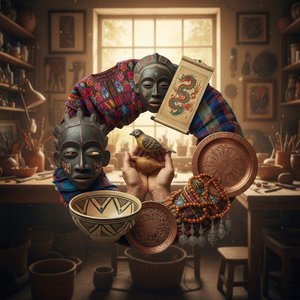
The Soul of Tradition: A Connoisseur’s Guide to Discovering and Collecting Global Folk Art
Embark on a sophisticated journey through the world of folk art. Our expert guide offers connoisseurs deep insights into discovering, identifying, and collecting meaningful cultural masterpieces that preserve the soul of global traditions.

Raja Ravi Varma: Bridging Tradition & Modernity in 19th-Century Indian Art
Explore the life & art of Raja Ravi Varma, a pioneer who fused European techniques with Indian iconography. Discover his iconic paintings, lasting legacy, and influence on modern Indian art at OriginalUniqueArt.
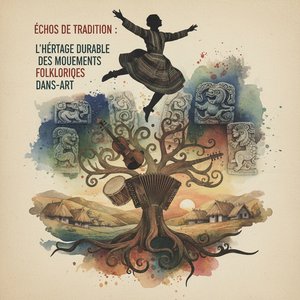
Ecos de la Tradición: El Legado Perenne del Arte Popular y sus Maestros
Descubre el fascinante mundo del arte popular y sus maestros. Explora su historia, figuras clave como los Prymachenko y la diversidad cultural que lo define. ¡Un viaje a través de las tradiciones artísticas más auténticas!
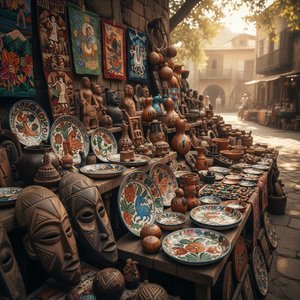
The Soul of Tradition: Exploring the Vibrant Heritage and Naive Mastery of Global Folk Art
Discover the profound beauty of folk art through a cultural lens. Explore how naive masterpieces and vibrant global traditions preserve heritage, offering timeless inspiration for collectors and art enthusiasts seeking authenticity and soul in every brushstroke.
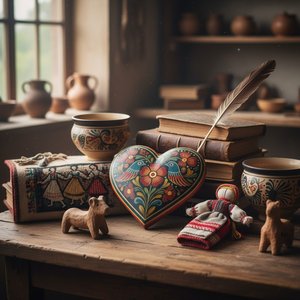
The Heart of Folk Art: Discover the Beauty of Tradition and Storytelling
Explore the profound beauty of folk art through its rich history and storytelling traditions. Discover how Naive Art and cultural heritage preserve ancestral narratives through vibrant color and symbolism for the modern collector.
