
 Vista previa
 Compartir
 Compartir
 Ver detalles

 Descargar
 Ver similares
 Radiografía
 Presentación de diapositivas
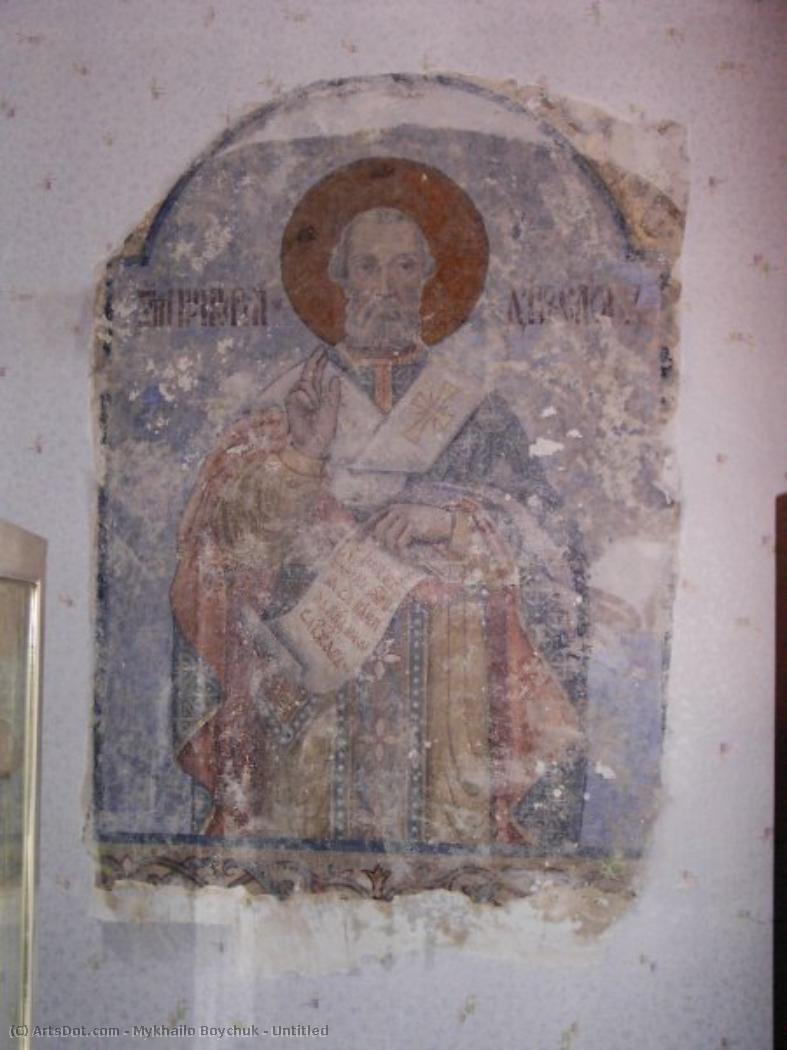
Untitled


 Leer más
Giclée / Impresión de arte
Impresiones giclée o en lienzo de calidad de museo con producción rápida y opciones de acabado flexibles. ( Cambiar a pintura hecha a mano Cambiar a imagen)




































Elija entre nuestros tamaños predefinidos que respetan las proporciones originales de la obra.

Puede introducir sus propias dimensiones para adaptarse a un marco o espacio específico. Si el tamaño seleccionado no coincide con las proporciones de la imagen original, recortaremos la obra de arte o extenderemos la imagen con un borde con efecto espejo o de color sólido. Se enviará una maqueta digital para su aprobación antes de que comience la producción.
Tenga en cuenta que la vista previa en pantalla no refleja el recorte o la extensión real. Solo la maqueta mostrará con precisión la composición final.
Aunque existen tamaños personalizados, recomendamos seleccionar una dimensión de la lista predefinida para preservar las proporciones originales.
Envío a todo el mundo () en 2 semanas en lugar de las 4/5 semanas estándar. (5 agosto)

Envío exprés gratuito a todo el mundo

Lienzo de lino de alta calidad

Seguro de envío completo

Garantía de reembolso de aranceles aduaneros

Garantía de fidelidad cromática exacta

Política de devolución de 60 días (solo por defectos)

Garantía de devolución del 100% del dinero

Oferta por volumen
 La opción de vidrio solo está disponible en tamaños inferiores a 110 cm.

Untitled
Giclée / Impresión de arte
Tamaño de la reproducción
-


Precio total
$ 80
Biografía del artista
Mykhailo Boychuk: The Byzantine Soul of Ukrainian Monumental Art
Mykhailo Lvovych Boychuk (1882 – 1937) stands as a singular figure in Ukrainian art history—a painter who wrestled with the monumental spirit of Byzantium and fused it with the revolutionary fervor of Soviet Ukraine. Born Romanivka, now Ternopil Oblast, he emerged from humble beginnings to become one of the most influential artists of his generation, shaping the visual landscape of his nation during a turbulent period. His legacy continues to inspire admiration for its uncompromising vision and enduring artistic power.Early Life & Artistic Formation
Boychuk’s formative years were steeped in Ukrainian peasant culture, yet he possessed an innate inclination towards art from a young age. Studying under Yulian Pankevych in Lviv instilled in him the foundational principles of Western European painting—particularly Impressionism—before he ventured to Kraków Academy of Fine Arts where he honed his skills and graduated in 1905. Further explorations into Viennese and Munich artistic traditions broadened his horizons, exposing him to diverse stylistic approaches that would ultimately inform his distinctive oeuvre. The Salon des Indépendants in Paris in 1910 marked a pivotal moment, showcasing Boychuk’s groundbreaking frescoes alongside those of fellow artists Félix Vallotton, Paul Sérusier, and Maurice Denis—a collective known as the Boychukists—who championed a revival of Byzantine art as a catalyst for national renewal. This group recognized that Western artistic conventions were inadequate to express the deepest aspirations of Ukrainian identity, seeking instead inspiration from the monumental grandeur and spiritual solemnity of Byzantium.The Boychukist Style & Byzantine Influence
Boychuk's artistic philosophy centered on a deliberate return to the grandeur and spiritual depth of Byzantine iconography. He argued that this tradition represented the purest expression of Ukrainian identity, rejecting Western academic conventions in favor of monumental synthesis—a technique characterized by flattened planes, bold color palettes, and stylized figures imbued with symbolic resonance. This wasn’t merely stylistic; it was underpinned by a profound intellectual conviction—a belief that Byzantium offered a model for artistic integrity and spiritual contemplation untouched by the materialism of the modern era. Boychuk's distinctive style involved meticulous attention to detail combined with an unwavering commitment to conveying emotion through color and form, resulting in frescoes and mosaics that resonate with timeless beauty and spiritual significance. The Boychukists’ aim was not simply to reproduce Byzantine imagery but to reinterpret it in a contemporary context—to infuse it with the spirit of Ukrainian nationalism and revolutionary idealism.Monumental Commissions & Artistic Achievements
Boychuk’s artistic reputation soared during the 1920s as he undertook ambitious commissions for Soviet Ukraine—primarily fresco cycles adorning churches and civic buildings across Kyiv and Kharkiv. His monumental paintings tackled themes of heroism, sacrifice, and revolutionary idealism, embodying the aspirations of a nation striving to forge its own path amidst the upheavals of the Russian Revolution. Among his most celebrated achievements are the frescoes in St. Volodymyr Cathedral in Kyiv—a breathtaking testament to Byzantine artistic principles executed with unparalleled skill and conviction—and the monumental mural depicting “The Triumph of Lenin” in Kharkiv’s Kharkiv Philharmonic Hall, a striking example of Soviet propaganda art infused with Boychuk's distinctive stylistic vision. These commissions demanded extraordinary technical prowess and unwavering dedication to conveying profound ideological messages—a challenge that Boychuk embraced wholeheartedly, producing works that remain among Ukraine’s most iconic cultural treasures.Tragic Fate & Enduring Legacy
Despite his considerable success as an artist and educator, Boychuk’s life was tragically cut short during the Great Purge of 1937—a period of political repression orchestrated by Joseph Stalin. Along with his wife, Sofia Nalepinska—also a talented painter—he was executed without trial, silencing one of Ukraine’s most luminous artistic voices. However, Boychuk’s influence endured through his students—including Tymofiy Boychuk and Ivan Padalka—who continued to champion his stylistic principles and contribute to Ukrainian art. Today, Mykhailo Boychuk remains revered as a visionary artist who dared to reimagine national identity through the timeless language of Byzantine art—a testament to the enduring power of artistic conviction and the tragic loss of a brilliant creative mind. His works continue to inspire awe and contemplation, cementing his place as one of Ukraine’s foremost cultural icons.
Mykhailo Boychuk
1882 - 1937 , Ucrania
Datos clave
- Artistic Movement Or Style: Monumentalismo; Frescos bizantinos inspirados
- Artists Or Movements Influenced By This Artist: ['Boychukismo']
- Artists Who Influenced This Artist:
- Yulian Pankevych
- Félix Vallotton
- Paul Sérusier
- Maurice Denis
- Date Of Birth: Romanivka, Ukraine (1882)
- Date Of Death: Kyiv (1937)
- Full Name: Mykhailo Lvovych Boychuk
- Nationality: Ucraniano
- Notable Artworks:
- La cosecha
- Sin título
- El triunfo de Lenin
- Place Of Birth: Romanivka, Austria-Hungary

