
 Vista previa
 Compartir
 Compartir
 Ver detalles

 Descargar
 Ver similares
 Radiografía
 Presentación de diapositivas
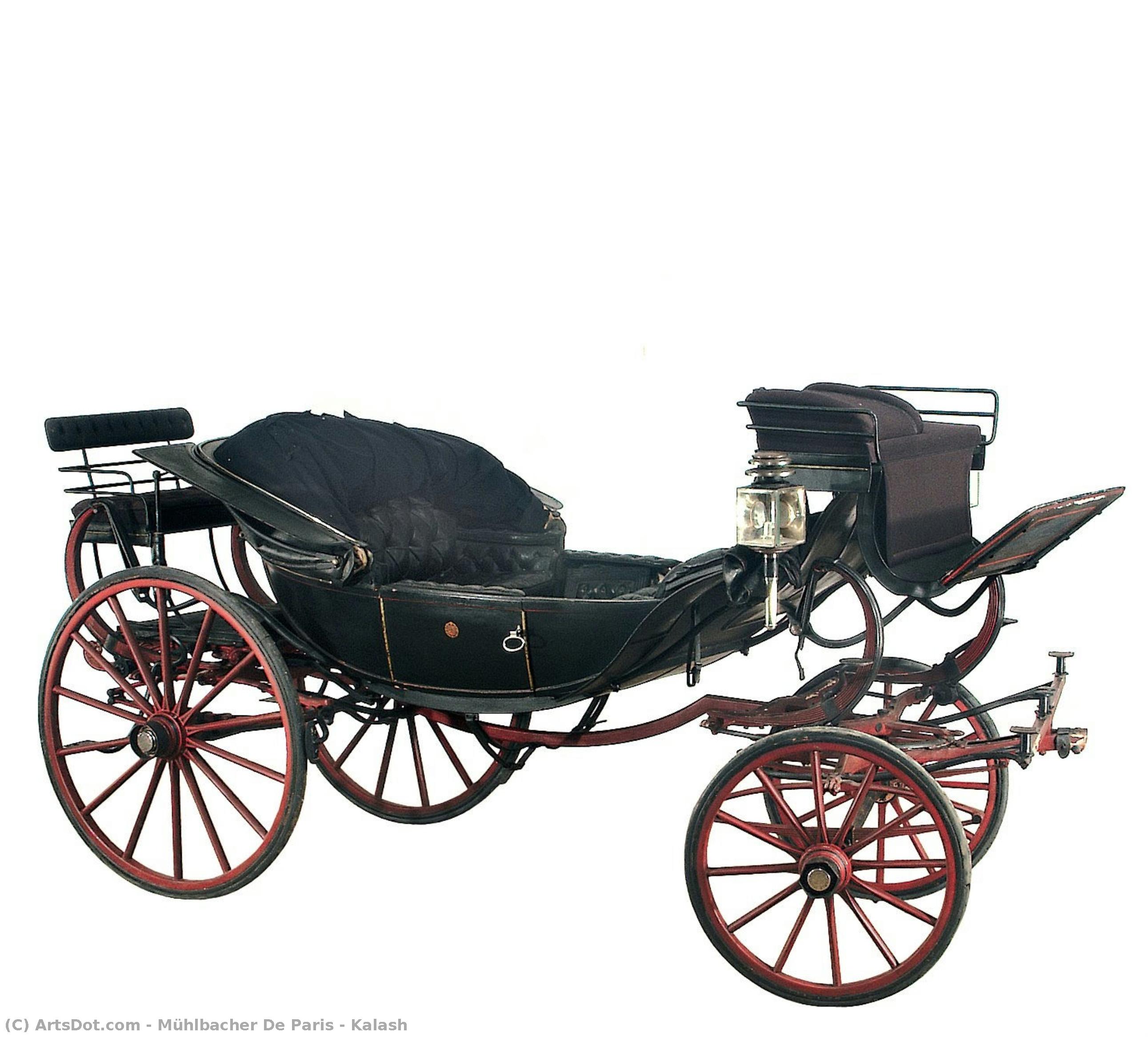
Kalash
 1800
1800 235.0 x 190.0 cm
 Museo Nacional del Carruaje
 Leer más
Giclée / Impresión de arte
Impresiones giclée o en lienzo de calidad de museo con producción rápida y opciones de acabado flexibles. ( Cambiar a pintura hecha a mano Cambiar a imagen)




































Elija entre nuestros tamaños predefinidos que respetan las proporciones originales de la obra.

Puede introducir sus propias dimensiones para adaptarse a un marco o espacio específico. Si el tamaño seleccionado no coincide con las proporciones de la imagen original, recortaremos la obra de arte o extenderemos la imagen con un borde con efecto espejo o de color sólido. Se enviará una maqueta digital para su aprobación antes de que comience la producción.
Tenga en cuenta que la vista previa en pantalla no refleja el recorte o la extensión real. Solo la maqueta mostrará con precisión la composición final.
Aunque existen tamaños personalizados, recomendamos seleccionar una dimensión de la lista predefinida para preservar las proporciones originales.
Envío a todo el mundo () en 2 semanas en lugar de las 4/5 semanas estándar. (11 agosto)

Envío exprés gratuito a todo el mundo

Lienzo de lino de alta calidad

Seguro de envío completo

Garantía de reembolso de aranceles aduaneros

Garantía de fidelidad cromática exacta

Política de devolución de 60 días (solo por defectos)

Garantía de devolución del 100% del dinero

Oferta por volumen
 La opción de vidrio solo está disponible en tamaños inferiores a 110 cm.

Kalash
Giclée / Impresión de arte
Tamaño de la reproducción
-


Precio total
$ 80
Descripción de la pieza
Biografía del artista
Mühlbacher de Paris: Pioneer of Parisian Automotive Elegance
Mühlbacher de Paris, a name synonymous with innovation and artistry in late 19th and early 20th-century France, was more than just a carriage maker; he was a visionary shaping the future of personal transportation. Born in Paris, his journey began not within the grand halls of established workshops but amidst the bustling streets as a carrossier – a skilled craftsman specializing in the construction of bodies for passenger vehicles. This foundation, rooted in the traditional art of coachbuilding, provided the perfect springboard for his revolutionary approach. His story is inextricably linked to the evolution of automotive design and technological advancement during a period of rapid transformation.The Rise of a Modern Carrossier
Mühlbacher’s early career established him as a respected artisan, but it was his embrace of new materials and technologies that truly distinguished him. Unlike many of his contemporaries who clung to traditional designs, Mühlbacher boldly integrated innovations like rubber tires – initially a novelty – and pneumatic suspension systems into his carriages. This wasn't merely about aesthetics; it represented a fundamental shift in comfort and performance. Crucially, he was among the first carrossiers to incorporate electric lighting and mechanical brakes into his creations, demonstrating an understanding of engineering principles that anticipated the coming automotive revolution. His workshops on Rue de Varenne became renowned for their meticulous craftsmanship and willingness to experiment with cutting-edge solutions.Technological Innovations and Recognition
Mühlbacher’s commitment to progress extended beyond materials; he actively sought ways to improve safety and efficiency. The incorporation of mechanical brakes, a relatively new concept at the time, dramatically enhanced vehicle control and reduced accidents. Furthermore, his designs were often lauded for their elegance and sophistication, reflecting the artistic sensibilities of the era. His work garnered significant recognition within the professional community, culminating in numerous prestigious awards from organizations like the Société des Carrossiers de France – a testament to his standing as a leading figure in French carriage design. These accolades underscored not just his technical skill but also his ability to create vehicles that were both functional and beautiful.A Legacy of Design: The Clarence Example
Examining specific works, such as “Clarence,” offers a tangible glimpse into Mühlbacher’s artistry. This meticulously detailed 1800s electric carriage exemplifies the period's fascination with technological advancement combined with classical design principles. Studio shots like this one highlight the intricate craftsmanship and attention to detail that characterized his creations. The carriage’s elegant lines, luxurious interior appointments, and innovative features – including the electric lighting – speak volumes about Mühlbacher’s vision and skill. It represents a pivotal moment in automotive history, showcasing early attempts to blend aesthetics with emerging technologies.Historical Significance and Lasting Influence
Mühlbacher de Paris's contributions extend far beyond the individual carriages he produced. He played a vital role in shaping the development of French automotive design and paving the way for mass-produced automobiles. His pioneering use of electric lighting and pneumatic tires, though initially experimental, laid the groundwork for future innovations. While the exact date of his passing remains unrecorded, his legacy as a visionary carrossier who embraced modernity and elevated the art of carriage building continues to resonate today. He stands as a reminder that innovation often arises from a deep understanding of tradition combined with a willingness to push boundaries – a principle that remains relevant in the ever-evolving world of design and technology. His work can be further appreciated through examining related museum collections, such as those found at Saint-Sulpice, where works reflecting similar artistic styles and historical contexts are on display.
mühlbacher de paris
France
Datos clave
- Artistic Movement Or Style: Carrossier / Carriage maker
- Date Of Birth: Paris, France (unknown)
- Date Of Death: Living
- Full Name: mühlbacher de paris
- Nationality: French
- Notable Artworks: ['Clarence']
- Place Of Birth: Paris, France

