

 Vista previa
 Compartir
 Compartir
 Ver detalles

 Descargar
 Ver similares
 Radiografía
 Presentación de diapositivas
Shimabara Courtesans Exorcizing Demons
 701
701 87.0cm x 27.0cm
 Leer más
Adquiera una imagen digital de alta resolución y optimizada, muy superior a la vista previa en línea.
Cada archivo es preparado meticulosamente por nuestros especialistas internos mediante el uso de herramientas avanzadas y un experto retoque manual. Nos aseguramos de que cada imagen posea una claridad excepcional, una precisión cromática impecable y un detalle minucioso.
El archivo final se entrega por correo electrónico en un plazo de 72 horas, optimizado para su uso inmediato en entornos profesionales, editoriales y de impresión. Esta es la misma calidad en la que confían los estudios de diseño, las editoriales y las galerías de primer nivel.
Imagen Digital
Descarga un archivo de alta resolución para exhibición personal, impresión y proyectos creativos. ( Pedir impresión Encargar reproducción pintada a mano)
Incluido en cada compra de imágenes digitales
Entrega digital experta, garantizada.
Al elegir OriginalUniqueArt.com, no solo está adquiriendo una imagen; está recibiendo una obra de arte digital mejorada profesionalmente, elaborada con precisión y respaldada por una garantía de satisfacción. Esto es todo lo que incluye su pedido, automáticamente:

Entrega rápida por email
Recibirá su archivo de imagen digital en alta resolución por correo electrónico en un plazo de 72 horas tras realizar su pedido, listo para su uso inmediato.

Archivo digital optimizado por IA
Su obra de arte se optimiza profesionalmente mediante herramientas avanzadas de IA y edición manual, garantizando el máximo detalle, claridad y precisión cromática.

Reenvío gratuito de por vida
¿Has borrado o perdido tu archivo por error? No te preocupes: te lo volveremos a enviar en cualquier momento, sin coste adicional.

Sin gastos de importación, siempre
Disfrute de su obra de arte al instante sin aduanas, aranceles ni gastos de envío; las descargas digitales siempre están libres de impuestos.

Garantía de precisión de color
Garantizamos que su imagen digital refleje los colores originales con la mayor fidelidad posible, mediante el uso de herramientas profesionales y gestión del color.

Garantía de satisfacción de 60 días
Si no está satisfecho con su imagen digital, la revisaremos o le reembolsaremos el 100% en un plazo de 60 días, sin preguntas.

100% Garantía de devolución de dinero
¿No está satisfecho? Obtenga un reembolso completo dentro de los 60 días posteriores a la recepción de su archivo digital, sin necesidad de explicaciones.

Descuentos por volumen
Compra 3 imágenes, ahorra 10% - Compra 5, ahorra 15% - Compra 10+, ahorra 20%. Ideal para proyectos creativos, galerías y agencias.
Descripción del coleccionable
Biografía del artista
Miyagawa Isshō: A Pioneer of Kabuki and Erotic Art
Miyagawa Isshō (喜平治, Fujiwara Andō), born around 1689 in Edo (modern Tokyo), was a pivotal figure in the Japanese ukiyo-e movement—a prolific painter specializing in kabuki theater prints and erotic shunga. His artistic output spanned from approximately 1725 to his death in 1779, marking him as one of the most influential artists of his era and establishing a lasting legacy within Japonisme, influencing European art movements during the late 18th and early 19th centuries.- Early Life & Training: Isshō’s formative years were spent under the tutelage of Miyaagawa Chōshun (1682–1752), a master whose own style was deeply rooted in the traditions of the Kano School, known for its meticulous realism and refined aesthetic sensibilities. This influence is evident in Isshō's early works—particularly his depictions of landscapes—demonstrating a careful observation of nature and an adherence to established artistic conventions.
- Influence of Harunobu: Like Chōshun, Isshō was profoundly impacted by Suzuki Harunobu (1725–1770), another innovator who championed the use of color printing techniques. Harunobu’s groundbreaking approach to nishiki-e—bold compositions and vibrant hues—inspired Isshō to push boundaries within his own artistic practice.
The Flowering of Kabuki Prints
Isshō achieved particular renown for his captivating portrayals of kabuki actors. He meticulously captured the dramatic gestures, expressions, and costumes of performers on stage, transforming theatrical performances into visual masterpieces. His prints weren’t merely reproductions; they conveyed the spirit of the theater—the energy, emotion, and spectacle—creating images that continue to resonate with audiences today. Notable works include “Samurai and Wakashu” (Male Youth), showcasing a dynamic scene of a samurai confronting a young man in a stylized pose, reflecting the prevalent themes of honor and youthful idealism within kabuki productions.- Technique & Style: Isshō’s technique involved layering multiple blocks of color—a hallmark of nishiki-e—to achieve stunning visual effects. He skillfully blended tonal gradations and employed subtle shading to imbue his prints with depth and realism, surpassing the limitations of earlier woodblock printing methods.
- Notable Prints: Among Isshō’s celebrated prints are “Courtesan on Parade,” depicting a geisha in opulent attire—a testament to Isshō's ability to capture beauty and elegance. Similarly, "Setsubun" portrays a festive celebration of the New Year, highlighting Isshō’s talent for capturing fleeting moments of everyday life.
Exploring Erotic Shunga: A Bold Experimentation
Beyond his kabuki prints, Isshō ventured into shunga—Japanese erotic art—a genre considered taboo during his time but embraced by many artists as a means of artistic expression. These paintings explored themes of desire and sensuality with remarkable frankness and detail, challenging societal norms and demonstrating Isshō’s willingness to explore unconventional subjects. His shunga prints are notable for their stylistic innovation and psychological insight.- Controversy & Exile: Isshō's artistic endeavors weren't without controversy. Following a dispute over payment for a commission in Nikko—where the patron refused to pay—he was banished from Edo alongside Chōshun, marking a significant setback in his career.
- Legacy & Influence: Despite this exile, Isshō continued to produce exceptional artwork until his death in 1780. His influence extended far beyond Japan, captivating European artists and collectors during Japonisme—a fascination with Japanese art and culture that profoundly impacted Western aesthetics. Isshō’s pioneering use of color printing techniques and his masterful depictions of kabuki theater solidified his place as one of the most important figures in ukiyo-e history.
Conclusion: An Enduring Vision
Miyagawa Isshō's artistic legacy persists today, inspiring artists and scholars alike. His unwavering commitment to innovation—particularly his embrace of color printing and his daring exploration of erotic themes—transformed the landscape of Japanese art and contributed significantly to the dissemination of Japonisme across Europe. He remains a symbol of artistic courage and creativity—a testament to the transformative power of vision and technique.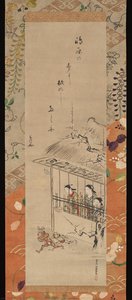
miyagawa isshō
1689 - 1779
Datos clave
- Artistic Movement Or Style: Ukiyo-e
- Artists Or Movements Influenced By This Artist: ['Suzuki Harunobu']
- Artists Who Influenced This Artist:
- Hirshikawa Moronobu
- Fujiwara Ando
- Date Of Death: 1780
- Full Name: Miyagawa Isshō
- Nationality: Japanese
- Notable Artworks:
- Courtesan on Parade
- Setsubun (The Day Before the Beginning of Spring)
- Shimabara Courtesans Exorcizing Demons
- Place Of Birth: Tokyo

