Cambiar a impresiones
 Ver más







































 Para obras de arte o reproducciones que midan más de 105 cm (aproximadamente 41 pulgadas) en cualquiera de sus lados, el marco se enviará como un kit desmontado. Este método garantiza una entrega segura y evita daños durante el transporte.


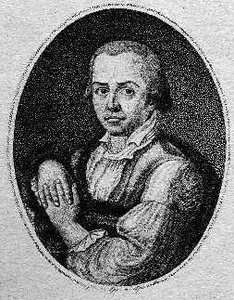
Polycrates: A Titan’s Struggle Embodied in Marble
The sculpture of Polycrates by Mikhail Kozlovsky, created in 1790, stands as a testament to the Romantic spirit of its time—a period obsessed with heroic narratives and dramatic emotion. More than just a depiction of a figure, it's an exploration of human resilience against overwhelming odds, captured within the austere beauty of neoclassical form. The artwork resides prominently within the State Russian Museum in St. Petersburg, attracting visitors eager to contemplate its profound symbolism and masterful execution.- Subject Matter: Kozlovsky’s Polycrates portrays a nude male figure caught in a moment of agonizing exertion—a man wrestling with an unseen adversary, his body twisted downwards as if succumbing to gravity's relentless pull. This posture immediately evokes themes of struggle and defiance, mirroring the broader anxieties surrounding societal upheaval during the Napoleonic era.
- Style: The sculpture firmly adheres to Neoclassical principles, prioritizing idealized human anatomy and restrained emotional expression. Kozlovsky skillfully avoids excessive ornamentation, focusing instead on conveying volume and form through meticulous carving and shading—a technique characteristic of the movement’s desire for clarity and rationality amidst the turbulent currents of Romanticism.
- Technique: Crafted from gypsum (though often replicated in marble), Polycrates exemplifies Kozlovsky's dedication to craftsmanship. The sculptor employed a painstaking process involving careful sketching, sculpting, and polishing—resulting in a surface texture that captures both the smoothness of polished stone and subtle nuances of form.
- Historical Context: Produced during Napoleon’s reign, Polycrates reflects the prevailing fascination with mythology and heroic ideals. Kozlovsky drew inspiration from classical narratives, specifically referencing Herodotus' account of Croesus—a king consumed by ambition and ultimately defeated by fate—to imbue his sculpture with a poignant commentary on human vulnerability and the inevitability of mortality.
- Symbolism: The upward reach of Polycrates’ arm symbolizes aspiration and defiance against adversity, while the downward slump represents defeat and acceptance of inescapable circumstances. This duality encapsulates the Romantic preoccupation with confronting existential anxieties—a visual representation of the internal conflict inherent in striving for greatness amidst inevitable setbacks.
A Masterful Rendering of Volume and Texture
The grayscale palette employed by Kozlovsky serves to heighten the sculpture’s dramatic impact, emphasizing the contours of the figure and creating striking shadows that accentuate its muscular form. Perspective is deliberately simplified—prioritizing conveying volume and sculptural presence over complex spatial illusions—a hallmark of Neoclassical aesthetics. Depth is achieved through skillful modeling, meticulously sculpting subtle variations in surface texture to simulate the appearance of marble or stone. The sculptor’s attention to detail extends beyond anatomical accuracy; he captures the very essence of material—the coolness of stone, the sheen of polish—creating a tactile experience for the viewer.The Black Background: Isolation and Intensified Emotion
Notably, Polycrates is presented against a completely black backdrop—a stylistic choice that dramatically isolates the figure and amplifies its emotional resonance. This technique underscores Kozlovsky’s intention to convey an overwhelming sense of pathos—the sculpture's power resides not merely in its depiction of physical struggle but also in its exploration of psychological torment. The stark contrast between the luminous form of Polycrates and the impenetrable darkness reinforces the theme of confrontation with mortality, mirroring the Romantic preoccupation with confronting profound existential questions.A Legacy of Quiet Intensity
Mikhail Kozlovsky’s Polycrates remains a captivating artwork—a masterful blend of classical idealism and Romantic emotion. Its enduring appeal lies in its ability to communicate complex ideas through deceptively simple visual elements, inviting contemplation on themes of heroism, vulnerability, and the inescapable march of time. Reproductions of this iconic sculpture continue to inspire admiration for Kozlovsky’s artistic vision and his profound understanding of human experience.Preguntas y respuestas
¿"Policrate" de Mijaíl Ivánovich Kozlovski utiliza contrastes fuertes o armonías suaves?
El análisis cromático de "Policrate" de Mijaíl Ivánovich Kozlovski presenta un Suave contraste y una Paleta unificada armonía.
¿Se encuentra "Policrate" de Mijaíl Ivánovich Kozlovski en el país de origen del artista?
No; la obra se encuentra en el extranjero. El país de nacimiento de Mijaíl Ivánovich Kozlovski es Rusia, y el museo que alberga el original de "Policrate" se encuentra en Federación Rusa.
¿En qué tamaño se recomienda imprimir "Policrate"?
Se recomienda imprimir "Policrate" en un tamaño de Gran formato. Otros tamaños están disponibles con las mismas proporciones.
 Ver en contexto
 Enviar
 Compartir
 Detalles
 Guía
Guía

 Descargar
 Similares
 Radiografía
 Presentación de diapositivas
 Q&A
Q&A Estadísticas