

 Vista previa
 Compartir
 Compartir
 Ver detalles

 Descargar
 Ver similares
 Radiografía
 Presentación de diapositivas
Flower Vase


 Leer más
Giclée / Impresión de arte
Impresiones giclée o en lienzo de calidad de museo con producción rápida y opciones de acabado flexibles. ( Encargar reproducción pintada a mano Comprar descarga)




































Elija entre nuestros tamaños predefinidos que respetan las proporciones originales de la obra.

Puede introducir sus propias dimensiones para adaptarse a un marco o espacio específico. Si el tamaño seleccionado no coincide con las proporciones de la imagen original, recortaremos la obra de arte o extenderemos la imagen con un borde con efecto espejo o de color sólido. Se enviará una maqueta digital para su aprobación antes de que comience la producción.
Tenga en cuenta que la vista previa en pantalla no refleja el recorte o la extensión real. Solo la maqueta mostrará con precisión la composición final.
Aunque existen tamaños personalizados, recomendamos seleccionar una dimensión de la lista predefinida para preservar las proporciones originales.
Envío a todo el mundo () en 2 semanas en lugar de las 4/5 semanas estándar. (22 agosto)

Envío exprés gratuito a todo el mundo

Lienzo de lino de alta calidad

Seguro de envío completo

Garantía de reembolso de aranceles aduaneros

Garantía de fidelidad cromática exacta

Política de devolución de 60 días (solo por defectos)

Garantía de devolución del 100% del dinero

Oferta por volumen
 La opción de vidrio solo está disponible en tamaños inferiores a 110 cm.

Flower Vase
Giclée / Impresión de arte
Tamaño de la reproducción
-


Precio total
$ 80
Biografía del artista
A Pioneer of Syrian Impressionism: The Life and Art of Michael Kurcheh
Michael Kurcheh, born in Damascus, Syria in 1900 and passing away in 1973, stands as a pivotal figure in the development of modern art within his nation. He wasn’t merely an artist; he was a visual chronicler of a changing Syria, bridging traditional aesthetics with the burgeoning influence of Impressionism. While formal artistic training remained scarce in early 20th-century Syria, Kurcheh's dedication and innate talent propelled him to become one of the first Syrians to wholeheartedly embrace and adapt this European style. His journey wasn’t simply about replicating techniques; it was a profound exploration of how light, color, and brushwork could capture the essence of his homeland – its landscapes, its people, and its evolving socio-political climate. He is remembered not just for *what* he painted, but for *how* he saw Syria, and how he translated that vision onto canvas.Early Influences and Artistic Development
Kurcheh’s early artistic exposure was largely self-directed. He absorbed the rich visual culture surrounding him – the intricate patterns of Damascene architecture, the vibrant colors of local textiles, and the expressive faces of everyday Syrians. However, his encounter with Impressionism proved transformative. Through limited access to European art publications and perhaps through interactions with returning Syrian expatriates, he became captivated by the movement’s emphasis on capturing fleeting moments and subjective perceptions of light. He began experimenting with broken brushstrokes, a brighter palette than traditionally used in Syrian painting, and an outdoor *plein air* approach – a radical departure from studio-bound practices. This wasn't a wholesale adoption; Kurcheh skillfully integrated Impressionistic techniques into his existing understanding of form and composition, creating a uniquely Syrian brand of the style. His early works demonstrate this fusion, often depicting familiar Damascene scenes with a newfound luminosity and sense of atmosphere.Themes and Subject Matter: A Syria in Transition
The breadth of Kurcheh’s subject matter is remarkable. He painted sweeping landscapes that evoked the beauty and vastness of the Syrian countryside, meticulously rendered depictions of Damascene neighborhoods teeming with life, and poignant portraits capturing the character and dignity of his fellow citizens. However, what truly sets him apart is his willingness to engage with contemporary issues. Unlike many artists who shied away from political commentary, Kurcheh subtly incorporated socio-political themes into his work. The Suez Crisis of 1956, for example, found expression in paintings that alluded to the anxieties and disruptions caused by the conflict. He also depicted Bedouin life, not as a romanticized ideal, but with a nuanced understanding of its challenges and resilience. His famous quote – “I cannot draw or depict hunger…” – reveals his deep empathy and his desire to use art as a means of bearing witness to the realities of his time. This commitment to social awareness elevates his work beyond mere aesthetic beauty; it transforms it into a powerful historical document.Major Achievements and Lasting Legacy
Kurcheh’s contribution to Syrian art is multifaceted. He was instrumental in establishing Impressionism as a viable artistic language within the country, inspiring generations of artists to explore new modes of expression. His paintings are celebrated for their technical skill, their evocative atmosphere, and their insightful portrayal of Syrian life. While he didn't establish a formal school or studio, his influence permeated the art scene through his exhibitions and interactions with younger artists.- Pioneering Impressionism: He was among the first to successfully adapt Impressionistic techniques to depict Syrian landscapes and culture.
- Social Commentary: His willingness to address socio-political issues in his work set him apart from many of his contemporaries.
- Capturing Syria’s Essence: He masterfully captured the beauty, complexity, and changing realities of Syrian life during a pivotal period.

michael kurcheh
1900 - 1973 , Syrian Arab Republic
Datos clave
- Artistic Movement Or Style: Impressionism
- Date Of Death: 1973
- Full Name: Michael Kurcheh
- Nationality: Syrian
- Notable Artworks:
- Flower Vase
- Badawiyeh
- Place Of Birth: Syrian Arab Republic
Artículos relacionados

Paul Cézanne: Las 25 Obras Maestras que Definieron el Arte Moderno | OriginalUniqueArt
Descubre las 25 obras maestras de Paul Cézanne que revolucionaron el arte moderno. Explora su técnica, inspiración y significado en paisajes, bodegones y retratos. Reproducciones de alta calidad para decorar tu hogar con arte inolvidable. ¡Explora la colección completa en OriginalUniqueArt.com!

The Enduring Legacy of Oil on Canvas: Technique, History & Aesthetic Impact
Explore the rich history & techniques of oil painting – from Renaissance masters to Impressionism. Discover pigments, layering methods, and why this timeless medium endures. Expert insights for artists & art enthusiasts.
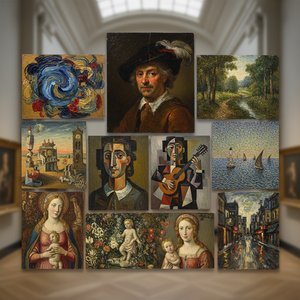
10 Obras Maestras al Óleo sobre Tabla que Revolucionaron la Historia del Arte | OriginalUniqueArt
Descubre 10 obras maestras al óleo sobre tabla que revolucionaron el arte. Explora la historia de Van Gogh, Monet y otros artistas clave. Encuentra reproducciones de alta calidad e inspírate para decorar tu hogar con OriginalUniqueArt.com.
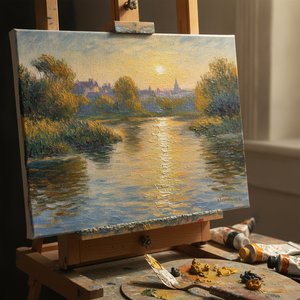
The Soul of Impressionism: Why Oil on Canvas Captures Eternal Light and Timeless Emotion
Discover the enchanting alchemy of Impressionism. Explore how the mastery of oil on canvas, through glazing and impasto, captures eternal light and emotion. Perfect for lovers of Monet and Van Gogh seeking the profound depth of hand-painted fine art.

El Óleo sobre Lienzo: Historia, Técnica y la Persistencia de un Medio Artístico Atemporal
Descubre la historia y técnica del óleo sobre lienzo. Explora reproducciones fieles hechas a mano, personalización artística y consejos de expertos con OriginalUniqueArt. ¡Colecciona arte con confianza!

