
 Vista previa
 Compartir
 Compartir
 Ver detalles

 Descargar
 Ver similares
 Radiografía
 Presentación de diapositivas
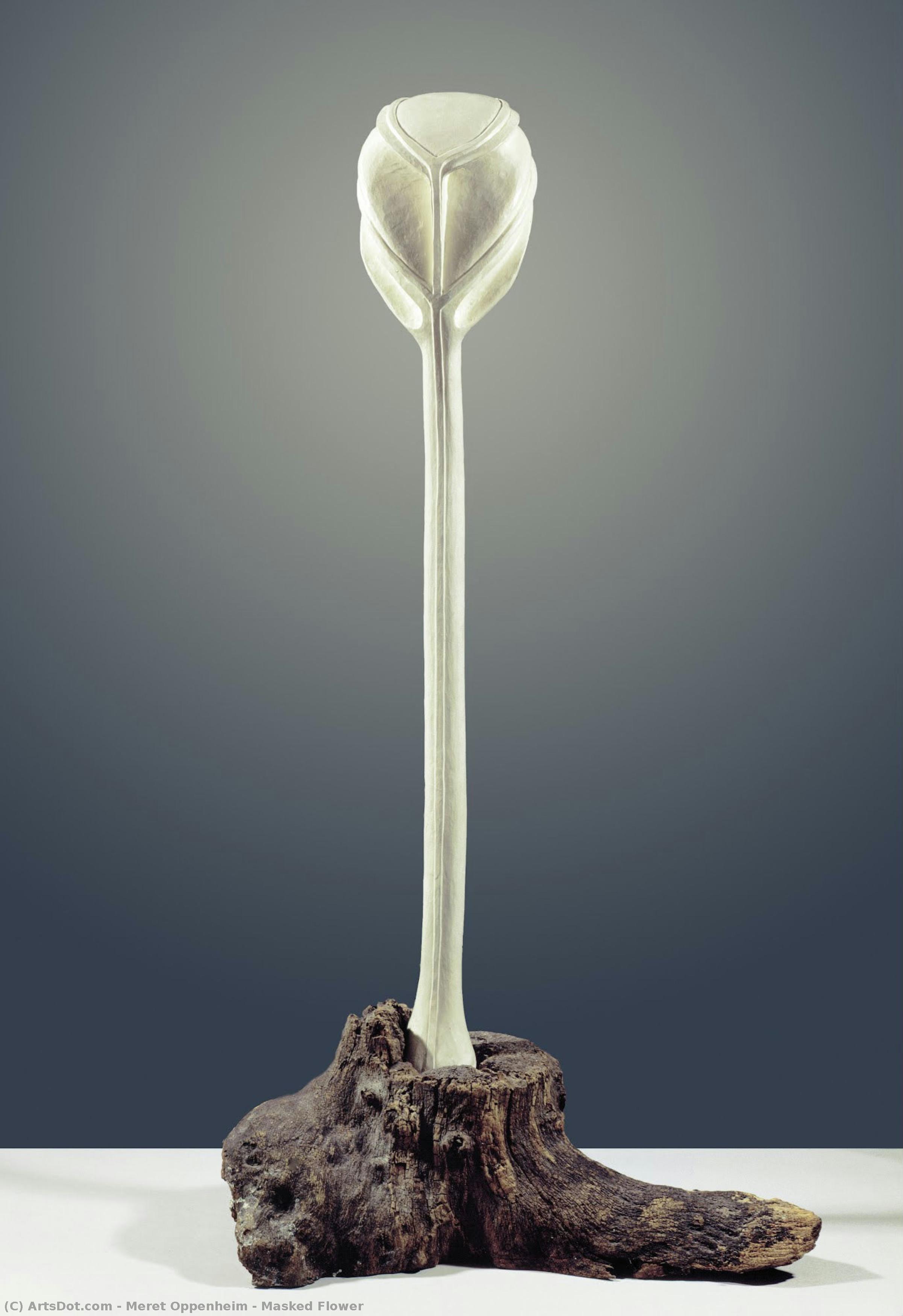
Masked Flower
 Acrylic On Canvas
- WallArt
- Surrealist
 1958
1958 108.0 x 54.0 cm
 Kunsthaus Zürich
 Leer más
Giclée / Impresión de arte
Impresiones giclée o en lienzo de calidad de museo con producción rápida y opciones de acabado flexibles. ( Encargar reproducción pintada a mano Comprar descarga)




P118B $10

P118H $10

P118W $10

P438Z $10

P508JH $12

P508YH $12

P805H $10

P805Z $10

P919BZ $10

P919G $10

P919XJ $10

P959ZH $10

P968JZ $12

W106C $8

W218G $10

W218JH $8

W218Y $10

W307PJ $10

W316G $10

W316PJ $8

W316Y $10

W398PJ $8

W4111J $10

W500HY $15

W500JH $15

W692G $12

W849H $8

W940BG $15

W953PJ $8




Elija entre nuestros tamaños predefinidos que respetan las proporciones originales de la obra.

Puede introducir sus propias dimensiones para adaptarse a un marco o espacio específico. Si el tamaño seleccionado no coincide con las proporciones de la imagen original, recortaremos la obra de arte o extenderemos la imagen con un borde con efecto espejo o de color sólido. Se enviará una maqueta digital para su aprobación antes de que comience la producción.
Tenga en cuenta que la vista previa en pantalla no refleja el recorte o la extensión real. Solo la maqueta mostrará con precisión la composición final.
Aunque existen tamaños personalizados, recomendamos seleccionar una dimensión de la lista predefinida para preservar las proporciones originales.
Envío a todo el mundo () en 2 semanas en lugar de las 4/5 semanas estándar. (19 agosto)

Envío exprés gratuito a todo el mundo

Lienzo de lino de alta calidad

Seguro de envío completo

Garantía de reembolso de aranceles aduaneros

Garantía de fidelidad cromática exacta

Política de devolución de 60 días (solo por defectos)

Garantía de devolución del 100% del dinero

Oferta por volumen
 La opción de vidrio solo está disponible en tamaños inferiores a 110 cm.

Masked Flower
Giclée / Impresión de arte
Tamaño de la reproducción
-


Precio total
$ 80
Descripción de la pieza
A Silent Bloom: Meret Oppenheim’s “Masked Flower”
Meret Oppenheim's "Masked Flower" (1958) isn’t merely a sculpture; it’s an invitation to contemplate the delicate balance between beauty and concealment, nature and artifice. Born in Berlin amidst the turbulent backdrop of pre-war Europe, Oppenheim’s artistic journey was shaped by a profound exposure to diverse influences – from the vibrant Expressionism of her youth to the revolutionary ideas of Carl Jung and the groundbreaking experimentation of Surrealism. This piece, created during a period of intense introspection for the artist, embodies these influences in a strikingly intimate and unsettling way.
At first glance, the sculpture presents a deceptively simple arrangement: a smooth, white, organically shaped form – reminiscent of a blossoming flower bud or perhaps a stylized vase – resting upon a rough-hewn wooden base. However, closer inspection reveals a subtle yet powerful tension. The pristine whiteness of the upper element contrasts dramatically with the weathered texture and irregular contours of the base, creating an immediate visual dialogue between smoothness and roughness, delicacy and strength. This juxtaposition immediately draws the viewer in, prompting questions about their relationship to each other and to the artwork as a whole.
Deconstructing the Object: Surrealist Techniques and Materiality
Oppenheim’s approach was deeply rooted in the principles of Surrealism, an artistic movement that sought to unlock the creative potential of the unconscious mind. She frequently employed techniques of appropriation and transformation, taking everyday objects – teacups, fur coats, furniture – and recontextualizing them to challenge conventional perceptions. “Masked Flower” exemplifies this strategy perfectly. The sculpture’s form is deliberately ambiguous, blurring the lines between botanical representation and abstract design. The choice of materials—cast plaster for the upper element and wood for the base—further enhances this effect, highlighting the inherent qualities of each substance while simultaneously creating a sense of discordance.
Notably, the surface of the white form is meticulously polished to an almost unnerving sheen, contrasting sharply with the raw, tactile quality of the wooden base. This deliberate contrast isn’t merely aesthetic; it speaks to Oppenheim's fascination with duality and the hidden layers within seemingly simple objects. The sculpture invites us to consider how appearances can be deceiving, and how even the most familiar forms can conceal unexpected complexities.
Symbolism and Emotional Resonance
The title itself – “Masked Flower” – is laden with symbolic weight. Flowers are universally associated with beauty, fertility, and renewal, yet the ‘mask’ suggests concealment, secrecy, or even a deliberate attempt to obscure their true nature. This duality creates a powerful tension within the artwork, prompting us to contemplate themes of hidden potential, repressed desires, and the fragility of appearances. The sculpture can be interpreted as an exploration of the human psyche—a representation of the unconscious mind striving to break free from its constraints.
Furthermore, Oppenheim’s work often reflected her interest in Jungian psychology, particularly the concept of the ‘shadow self.’ The “mask” could represent this hidden aspect of our personality – the parts we keep concealed from others and even ourselves. The overall effect is profoundly evocative, stirring a sense of quiet contemplation and inviting viewers to project their own interpretations onto the artwork.
A Timeless Masterpiece: Reproduction and Legacy
“Masked Flower” remains a seminal work in the history of Surrealist art, demonstrating Oppenheim’s unique ability to transform ordinary objects into potent symbols. Reproductions capture the sculpture's textural richness and subtle nuances with remarkable fidelity, allowing viewers to appreciate its complexity and emotional depth. Whether displayed as a statement piece in a contemporary interior or studied within an academic setting, this artwork continues to resonate with audiences today, prompting reflection on the nature of beauty, concealment, and the human condition.
Biografía del artista
Primeros Años e Influencias
- Nacida: Berlín, Alemania (1913)
- Fallecida: 1985
- Nombrada Meretlein en referencia a la protagonista de "Verdes Henry" de Gottfried Keller.
- La familia se trasladó a Delémont, Suiza, debido al servicio militar de su padre durante la Primera Guerra Mundial.
- Exposición temprana al arte y artistas en Suiza.
- Inspirada por su tía, Ruth Wenger, y su estilo de vida moderno.
- Influenciada por el Modernismo, Expresionismo, Fauvismo y Cubismo.
- Introducida a los escritos de Carl Jung y comenzó a registrar sueños, que se convirtieron en fuentes importantes para su arte.
- La obra de Paul Klee influyó significativamente en su desarrollo artístico.
Carrera y Desarrollo Artístico
- Se mudó a París en 1932 y asistió a la Académie de la Grande Chaumière.
- Participó en exposiciones surrealistas a partir de 1933, asociándose con André Breton, Man Ray, Max Ernst y otros.
- Primera exposición individual en Basilea en 1936 en la Galerie Schulthess.
- Comenzó un bloqueo artístico en 1937 después del éxito inicial; destruyó gran parte de su obra durante este período.
- Regresó al arte en la década de 1950, volviendo a estilos y temas anteriores.
Obras Principales y Estilo
- Objeto (Le Déjeuner en fourrure) (1936): Su obra más famosa: una taza, un platillo y una cuchara cubiertos de piel. Esta pieza explora temas de sexualidad femenina, lujo y objetificación de la mujer.
- Su trabajo a menudo incorporaba objetos cotidianos dispuestos para evocar escenarios oníricos o inquietantes.
- Exploró temas de feminidad, explotación y el subconsciente a través de sus pinturas y esculturas.
- Estilo caracterizado por una mezcla de Surrealismo, influencias Dadaístas y simbolismo personal.
Significado Histórico y Legado
- Considerada una figura destacada en el movimiento surrealista.
- Su trabajo desafió las nociones convencionales del arte y los roles de género.
- Objeto (Le Déjeuner en fourrure) se convirtió en un símbolo icónico del arte del siglo XX, adquirido por MoMA poco después de su creación.
- La exploración de Oppenheim de los sueños, la sexualidad y el subconsciente continúa resonando con el público contemporáneo.
- Su trabajo posterior enfatizó la libertad personal y la "androginia de la mente".
Influencias Clave y Círculo Artístico
- Carl Jung: Sus teorías sobre psicoanálisis y arquetipos influyeron profundamente en sus temas e imágenes artísticas.
- Paul Klee: Inspirada por su estilo abstracto y exploración del color y la forma.
- André Breton: Figura clave en el movimiento surrealista que animó y promovió su trabajo.
- Marcel Duchamp & Max Ernst: Su enfoque conceptual del arte influyó en su uso de objetos cotidianos.
- Man Ray: Colaboró con Oppenheim en obras fotográficas, incluyendo retratos desnudos.

Meret Oppenheim
1913 - 1985 , Alemania
Datos clave
- Artistas Que Influyeron:
- Paul Klee
- Carl Jung
- Marcel Duchamp
- Max Ernst
- André Breton
- Fecha De Fallecimiento: 15 de noviembre de 1985
- Fecha De Nacimiento: 6 de octubre de 1913
- Lugar De Nacimiento: Berlín, Alemania
- Movimiento Artístico: Surrealismo
- Nacionalidad: Suizo-Alemán
- Nombre Completo: Meret Elisabeth Oppenheim
- Obras Notables: ['Object (Le Déjeuner en fourrure)']
Artículos relacionados

Esculturas de Bronce Legendarias: 10 Obras Maestras que Transformaron el Arte | OriginalUniqueArt
Descubre las 10 esculturas de bronce más legendarias que revolucionaron el arte. Explora la historia de Rodin, Degas y otros maestros del bronce. Encuentra reproducciones de alta calidad e inspiración para tu hogar en OriginalUniqueArt.com.

The Enduring Form: Exploring Themes & Techniques in Sculpture Across Historical Periods
Explore the rich history of sculpture from ancient masterpieces to contemporary innovations. Discover key techniques, influential artists & investment potential for discerning art collectors.

Las 10 Obras Maestras de Bronce que Revolucionaron la Historia del Arte | OriginalUniqueArt
Descubre las 10 esculturas de bronce más influyentes de la historia del arte. Explora obras maestras de Rodin, Degas y otros genios. Encuentra reproducciones de arte de calidad museo en OriginalUniqueArt.com.
René Magritte: Las 25 Obras Maestras del Surrealismo para Inspirar tu Hogar
Descubre las 25 obras maestras de René Magritte, el rey del surrealismo. Explora su arte moderno, significado oculto y técnica única. Encuentra reproducciones de alta calidad e inspira tu hogar con OriginalUniqueArt.com.

Max Ernst: Las 25 Obras Maestras del Surrealismo para Decorar tu Hogar con Arte
Descubre las 25 obras maestras de Max Ernst, el rey del surrealismo. Explora su arte onírico, técnicas innovadoras y simbolismo profundo. Reproducciones de alta calidad para decorar tu hogar con estilo en OriginalUniqueArt.com

