Ver en contexto
 Enviar
 Compartir
 Detalles
 Guía
Guía

 Descargar
 Similares
 Radiografía
 Presentación de diapositivas
 Q&A
Q&A Estadísticas
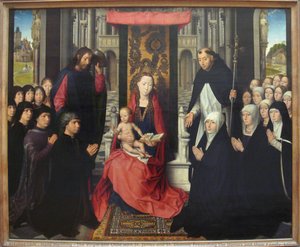
The Donne Triptych

- 70.0 x 70.0 cm


 Ver más
La obra de arte que se muestra en esta página está protegida por las leyes de propiedad intelectual, lo que significa que no podemos crear ni vender legalmente una reproducción idéntica. Esta protección se hace cumplir en virtud de acuerdos internacionales como el Convenio de Berna y por las leyes nacionales, incluidas aquellas establecidas por el Ley de derechos de autor de los EE. UU. - Título 17.
Este método cumple plenamente con las normativas de derechos de autor, ya que no implica la copia ni la duplicación de la obra protegida. En su lugar, se trata de una reinterpretación creativa: una nueva pintura influenciada por la original, pero que no es idéntica a ella.
Giclée / Impresión de arte
Impresiones giclée o en lienzo de calidad de museo con producción rápida y opciones de acabado flexibles. ( Comprar pintura hecha a mano Cambiar a imagen digital)




P118B €10

P118H €10

P118W €10

P438Z €10

P508JH €12

P508YH €12

P805H €10

P805Z €10

P919BZ €10

P919G €10

P919XJ €10

P959ZH €10

P968JZ €12

W106C €8

W218G €10

W218JH €8

W218Y €10

W307PJ €10

W316G €10

W316PJ €8

W316Y €10

W398PJ €8

W4111J €10

W500HY €15

W500JH €15

W692G €12

W849H €8

W940BG €15

W953PJ €8




Elija entre nuestros tamaños predefinidos que respetan las proporciones originales de la obra.

Introduzca el ancho y el alto que necesite para adaptarse a su marco o pared. Una impresión solo puede recortarse, nunca hacerse más grande que la imagen original, por lo que un tamaño con una forma distinta perderá parte de la obra. Le enviaremos una maqueta digital para su aprobación antes de realizar cualquier impresión. La imagen que se muestra en esta página no refleja el recorte real; solo la maqueta lo hace.
Envío a todo el mundo () en 2 semanas en lugar de las 4/5 semanas estándar. (2 noviembre)

Envío exprés gratuito a todo el mundo

Lienzo de lino de alta calidad

Seguro de envío total

Garantía de reembolso de aranceles aduaneros

Garantía de fidelidad cromática exacta

Política de devolución de 100 días (solo por defectos)

Garantía de devolución del 100% del dinero

Descuento por cantidad
 La opción de vidrio solo está disponible en tamaños inferiores a 110 cm.

The Donne Triptych
Giclée / Impresión de arte
Dimensiones de la reproducción
-


Precio total final
€ 71
A Glimpse into Devotion: The Allure of The Donne Triptych
To stand before this magnificent triptych is to step directly into the richly colored, deeply contemplative world of the late 15th century. Hans Memling, the celebrated Bruges Master, has gifted us a composition that transcends mere depiction; it offers an intimate narrative tapestry woven from human interaction and spiritual yearning. The piece immediately draws the eye across its three distinct panels, each vignette presenting a moment suspended in time—a tableau vivant of devotion, scholarship, and communal life. One senses the hushed reverence of the setting, a place where earthly concerns mingle seamlessly with profound spiritual contemplation.
Mastery of Detail: Technique and Craftsmanship
Memling’s technical brilliance is breathtakingly apparent upon close inspection. His handling of oil paint allows for an almost hyper-realistic rendering of textures—the heavy folds of the red garments, the subtle sheen on polished wood, and the delicate quality of skin tones speak to a mastery that only decades of dedicated practice could achieve. The composition itself, spanning three interconnected scenes, demonstrates a sophisticated understanding of pictorial space. Notice how the figures are arranged not just for visual balance, but to guide the viewer's eye through a narrative progression. This meticulous attention to detail is characteristic of the Early Netherlandish school, where every stray thread and every cast shadow contributes to the overall illusion of life.
Symbolism Woven into the Scenes
The subject matter hints at deep theological currents. In one panel, the grouping of figures suggests discourse or perhaps a gathering for instruction, while another captures the quiet intimacy of reading—the book itself often serving as a potent symbol of divine wisdom or learned scripture. The kneeling figures in the third scene evoke postures of prayer and humility before something unseen, drawing the viewer into a shared moment of piety. These are not just people; they are archetypes engaged in acts that speak to the enduring human quest for meaning. For the collector or designer, this depth means the artwork offers conversation pieces far beyond mere decoration.
Historical Resonance and Enduring Appeal
Dating from 1475, The Donne Triptych anchors us firmly in a period of profound cultural transition—a time when the burgeoning merchant class supported art that was both exquisitely beautiful and deeply meaningful. Memling managed to synthesize the intense spirituality of the Gothic tradition with an emerging naturalism. Owning or reproducing this work brings home not just a painting, but a tangible piece of Northern European artistic history. It possesses a vintage gravity, lending any room it graces an air of established, cultured elegance.
Bringing Sacred Beauty Home
Whether adorning a formal study, a chapel-like drawing-room, or serving as the focal point in a gallery setting, this triptych promises to elevate the atmosphere. The rich palette and narrative complexity ensure that it remains captivating whether viewed from across the room or examined up close. It is an investment in enduring beauty—a piece that invites contemplation, rewards study, and whispers tales of faith and artistry across the centuries.
Preguntas y respuestas
¿Cuál es la técnica y la fecha de creación de "The Donne Triptych" de Hans Memling?
"The Donne Triptych" fue creada en 1475 mediante la técnica de Óleo sobre tabla. El material y la fecha describen cómo y cuándo se realizó la obra original.
¿Es "The Donne Triptych" de dominio público?
"The Donne Triptych" de Hans Memling es de aún protegido por derechos de autor. Este estado determina cómo se puede reproducir la imagen de la obra.
¿Cómo se puede integrar "The Donne Triptych" de Hans Memling en la decoración del hogar?
Se recomienda "The Donne Triptych" de Hans Memling para Pieza central, idealmente en un/a Salón principal. El uso y el espacio juntos ayudan a determinar dónde encaja mejor una reproducción.
Biografía del artista
Hans Memling: El Maestro de Detalle de Brujas y Patronazgo
Hans Memling (c. 1430 – agosto 11, 1494), nacido en Seligenstadt, Alemania, ocupa un lugar destacado entre los artistas de la pintura neerlandesa temprana —un movimiento caracterizado por el realismo exquisito, la observación meticulosa de la naturaleza y la profunda contemplación espiritual—. Aunque sus primeros años transcurrieron principalmente en el ámbito artístico del Rin, su trayectoria finalmente lo llevó a Brujas, Bélgica, donde se estableció como uno de los artistas más destacados de su tiempo y cultivó un amplio taller que difundió su estilo distintivo por toda Europa.Primeros años y aprendizaje
Los detalles biográficos precisos sobre el nacimiento de Memling siguen siendo esquivos, pero el consenso académico sugiere que emergió de Mainz alrededor de 1430. Su educación artística comenzó bajo la tutela de Rogier van der Weyden, un gigante de la pintura flamenca cuyo dominio del óleo y el modelado escultórico influyó profundamente en la técnica de Memling. Esta formación inculcó en él una dedicación inquebrantable al detalle —una característica que definiría su obra— estableciendo las bases para su futuro éxito artístico.Brujas y el taller
Para 1465, Memling obtuvo ciudadanía en Brujas, un centro comercial floreciente y epicentro artístico. Reconociendo el potencial de la creatividad colaborativa, fundó un taller con numerosos asistentes, fomentando un entorno de innovación y coherencia estilística. Este taller fue reconocido por producir reproducciones impresionantes de obras maestras —un testimonio del talento de Memling tanto como artista como pedagogo— convirtiéndose en una fuerza impulsora en el desarrollo artístico de la ciudad. Además, Memling acumuló riqueza gracias a sus encargos, demostrando su habilidad para atraer clientes importantes y asegurar proyectos prestigiosos.Un estilo definido por precisión y patrocinio
El estilo artístico de Memling es inmediatamente reconocible: caracterizado por paletas cromáticas luminosas, capas de tejido plisado delicadamente trabajadas y un nivel asombroso de precisión anatómica. Estudió meticulosamente la anatomía humana —inspirándose en esculturas clásicas— para lograr un realismo sin precedentes en sus retratos y escenas religiosas por igual. Como muchos contemporáneos que favorecían pinceladas expresivas, Memling priorizó una observación cuidadosa y una ejecución meticulosa, lo que resultó en imágenes impregnadas de belleza serena y profundidad espiritual. Sus obras reflejan la influencia del Renacimiento italiano, especialmente en el uso de elementos escultóricos y ornamentación elaborada para crear espacios interiores impresionantes.- Obras maestras religiosas: Memling alcanzó la fama gracias a encargos lucrativos de clientes religiosos —principalmente clérigos y familias aristocráticas— que buscaban representaciones de santos y narrativas bíblicas que resonaran con piedad y prestigio. Ejemplos notables incluyen “El Juicio Final” en el Hospital St John de Brujas, una impresionante pintura mural que demuestra la maestría compositiva de Memling y su uso dramático del color.
- Retratos: Memling destacó como pintor de retratos, capturando los rasgos de figuras prominentes con notable sensibilidad y comprensión psicológica —una habilidad que consolidó su lugar entre los artistas más grandes de su época—. Sus retratos —como “Retrato de un hombre con una flecha”— demuestran su capacidad para transmitir carácter mediante gestos sutiles y expresiones faciales— una cualidad que marcó una diferencia significativa en comparación con otros artistas contemporáneos.
Influencia y legado
El legado artístico de Memling trascendió su propia vida. Su taller produjo una amplia variedad de pinturas —muchas similares a las originales del artista— que propagaron el estilo distintivo de Memling por toda Flandes y más allá. Además, la técnica meticulosa de Memling sirvió como inspiración para generaciones posteriores de artistas —particularmente Quentin Massys, quien estableció la Escuela Antwerpen— consolidando así la posición de Memling como piedra angular del arte flamenco renacentista. Su obra sigue siendo estudiada y admirada por historiadores de arte y artistas contemporáneos como testimonio de su impacto duradero en el desarrollo artístico europeo.
Hans Memling
Alemania
Datos clave
- Artistic Movement Or Style: Arte Flamenco Primitivo
- Artists Or Movements Influenced By This Artist: ['Escuela Antwerpen']
- Artists Who Influenced This Artist: ['Rogier van der Weyden']
- Date Of Birth: c. 1430
- Date Of Death: August 11, 1494
- Full Name: Hans Memling
- Nationality: Alemana-Flamenca
- Notable Artworks:
- El Juicio Final
- Tríptico Donne
- Virgen con el Niño
- Place Of Birth: Seligenstadt, Alemania
Artículos relacionados

Los 10 Maestros del Primitivo Flamenco: Obras que Definen un Arte Inigualable | OriginalUniqueArt
Descubre los 10 imprescindibles del Primitivo Flamenco: Jan van Eyck, Robert Campin y más. Explora la historia, simbolismo y técnica de estas obras maestras renacentistas tempranas. Encuentra reproducciones de arte de museo en OriginalUniqueArt.com.

El Amanecer de una Nueva Visión: La Pintura Flamenca Primitiva y su Revolución Artística (Siglos XV-XVI)
Descubre la revolución artística de los Primitivos Flamencos (siglos XV-XVI). Explora su técnica innovadora del óleo, el simbolismo oculto en sus obras y el legado de maestros como Van Eyck y Weyden. ¡Un viaje profundo al Renacimiento nórdico!
El Amanecer de una Nueva Visión: La Pintura Flamenca Primitiva (Siglos XV-XVI) y su Legado Revolucionario
Descubra la riqueza y el simbolismo de la pintura flamenca primitiva (siglos XV-XVI). Explore las obras maestras de Van Eyck, van der Weyden y más. Análisis experto e historia del arte en OriginalUniqueArt.

The Enduring Legacy of Oil on Canvas: Technique, History & Aesthetic Impact
Explore the rich history & techniques of oil painting – from Renaissance masters to Impressionism. Discover pigments, layering methods, and why this timeless medium endures. Expert insights for artists & art enthusiasts.

El Óleo sobre Lienzo: Historia, Técnica y la Persistencia de un Medio Artístico Atemporal
Descubre la historia y técnica del óleo sobre lienzo. Explora reproducciones fieles hechas a mano, personalización artística y consejos de expertos con OriginalUniqueArt. ¡Colecciona arte con confianza!