
 Ver en contexto
 Enviar
 Compartir
 Detalles
 Guía
Guía

 Descargar
 Similares
 Radiografía
 Presentación de diapositivas
 Q&A
Q&A Estadísticas
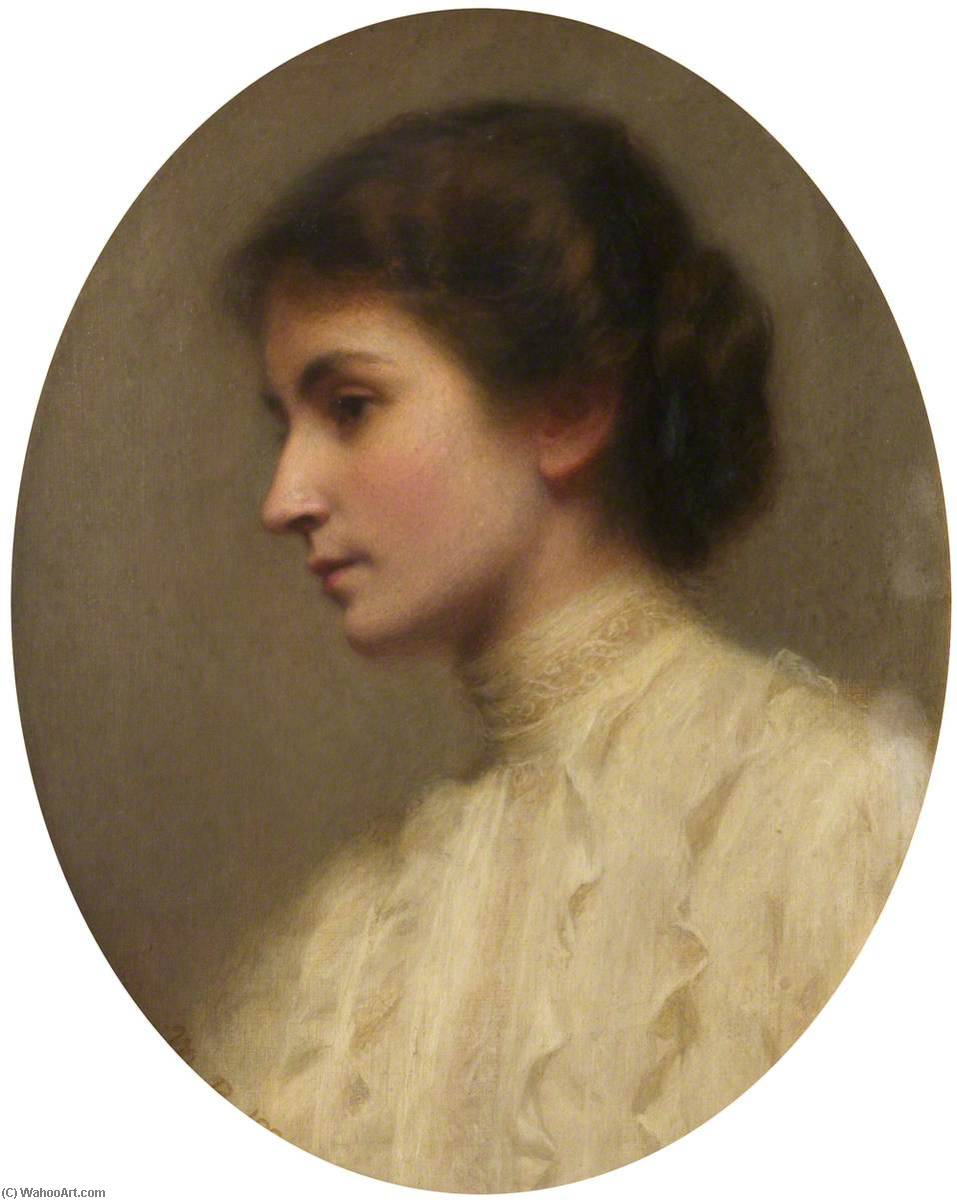
Self Portrait
 1925
1925 79.0 x 64.0 cm
 Nuneaton Museum & Art Gallery
 Ver más
La obra de arte que se muestra en esta página está protegida por las leyes de propiedad intelectual, lo que significa que no podemos crear ni vender legalmente una reproducción idéntica. Esta protección se hace cumplir en virtud de acuerdos internacionales como el Convenio de Berna y por las leyes nacionales, incluidas aquellas establecidas por el Ley de derechos de autor de los EE. UU. - Título 17.
Este método cumple plenamente con las normativas de derechos de autor, ya que no implica la copia ni la duplicación de la obra protegida. En su lugar, se trata de una reinterpretación creativa: una nueva pintura influenciada por la original, pero que no es idéntica a ella.
Giclée / Impresión de arte
Impresiones giclée o en lienzo de calidad de museo con producción rápida y opciones de acabado flexibles. ( Comprar pintura hecha a mano Cambiar a imagen digital)




































Elija entre nuestros tamaños predefinidos que respetan las proporciones originales de la obra.

Introduzca el ancho y el alto que necesite para adaptarse a su marco o pared. Una impresión solo puede recortarse, nunca hacerse más grande que la imagen original, por lo que un tamaño con una forma distinta perderá parte de la obra. Le enviaremos una maqueta digital para su aprobación antes de realizar cualquier impresión. La imagen que se muestra en esta página no refleja el recorte real; solo la maqueta lo hace.
Envío a todo el mundo () en 2 semanas en lugar de las 4/5 semanas estándar. (28 octubre)

Envío exprés gratuito a todo el mundo

Lienzo de lino de alta calidad

Seguro de envío total

Garantía de reembolso de aranceles aduaneros

Garantía de fidelidad cromática exacta

Política de devolución de 100 días (solo por defectos)

Garantía de devolución del 100% del dinero

Descuento por cantidad
 La opción de vidrio solo está disponible en tamaños inferiores a 110 cm.

Self Portrait
Giclée / Impresión de arte
Dimensiones de la reproducción
-


Precio total final
€ 71
Biografía del artista
Una vida dedicada al parecido: Los retratos de May Bridges Lee
May Bridges Lee, nacida en 1884 y fallecida en 1977, fue una artista británica del retrato, silenciosamente prolífica, cuya obra ofrece una mirada fascinante al tejido social de la Gran Bretaña de principios del siglo XX. Aunque hoy no sea un nombre familiar, su extensa producción —particularmente sus encargos para el Royal Masonic Hospital— constituye un valioso registro de figuras prominentes y un ejemplo convincente de cómo las tradiciones del retrato victoriano y eduardiano persistieron hasta la era moderna. Su historia es una de dedicación al oficio, observación aguda y una sutil capacidad para capturar no solo la apariencia, sino también el carácter de sus sujetos. A menudo referida como Lady Stott por su matrimonio, navegó una vida profesional que equilibró la ambición artística con las expectativas sociales impuestas a las mujeres de su época.Primeros años y formación artística
Los detalles sobre los primeros años de Bridges Lee son algo escasos, algo típico en muchas artistas de la época cuyas historias personales solían quedar eclipsadas por sus homólogos masculinos. Sin embargo, se sabe que recibió una sólida educación artística, probablemente a través de lecciones privadas, algo común para las mujeres de su posición social que aspiraban a ser profesionales pero carecían del acceso a la formación académica formal, reservada principalmente para los hombres. Esta base temprana le inculcó un dominio de las técnicas tradicionales, especialmente la pintura al óleo y el dibujo. Su estilo demuestra una comprensión clara de la luz y la sombra, precisión anatómica y una meticulosa representación de las texturas, habilidades que se convertirían en los sellos distintivos de su obra madura. La influencia de los retratistas consagrados de finales del siglo XIX es evidente en sus primeras piezas; ella absorbió las lecciones de artistas como John Singer Sargent y George Watts, adaptando sus enfoques a su propia sensibilidad.Los encargos del Royal Masonic Hospital: Un proyecto definitorio
La contribución más significativa de Bridges Lee reside en su asociación de décadas con el Royal Masonic Hospital (actualmente el Freemasons' Hospital). A partir de la década de 1930, emprendió una extraordinaria serie de retratos que representaban a directivos del hospital, benefactores y personal médico. Estas no eran meras representaciones formales; servían como una crónica visual de la historia de la institución y su compromiso con la labor caritativa. Más de doscientos retratos fueron creados para el Hospital, transformando sus pasillos en una galería de rostros distinguidos. Este proyecto sostenido permitió a Bridges Lee perfeccionar sus habilidades y desarrollar un enfoque distintivo del retrato, uno que enfatizaba la dignidad, el respeto y una sutil profundidad psicológica. No se limitaba simplemente a pintar *quiénes* eran estas personas, sino que también transmitía su dedicación a la misión del hospital. Los retratos son notables por su consistencia en la calidad y su capacidad para capturar las personalidades individuales de sus modelos.Estilo y técnica: Un legado de realismo
El estilo artístico de Bridges Lee está firmemente arraigado en el realismo, aunque no carece de un toque de sensibilidad y refinamiento. Favorecía una técnica tradicional de pintura al óleo, construyendo capas de color para crear texturas ricas y tonos de piel luminosos. Sus composiciones son típicamente directas —a menudo representando a sus modelos en tres cuartos de perfil contra fondos neutros— permitiendo que el enfoque permanezca centrado en sus rostros y expresiones. Poseía un ojo excepcional para el detalle, representando meticulosamente la ropa, las joyas y otros accesorios con una precisión asombrosa. Sin embargo, sus retratos no son simples reproducciones fotográficas; utilizó hábilmente la luz y la sombra para esculpir la forma y crear una sensación de volumen. Más importante aún, dotó a sus sujetos de una dignidad silenciosa y una presencia psicológica, sugiriendo sus vidas interiores más allá de la apariencia superficial. Su obra refleja una comprensión de los ideales victorianos del retrato —enfatizando el carácter moral y el estatus social— pero también demuestra una sensibilidad moderna en su sutil exploración de la personalidad individual.Significado histórico y atractivo perdurable
La importancia histórica de May Bridges Lee no reside en una innovación revolucionaria, sino en su firme compromiso con una forma de arte tradicional durante un período de cambios rápidos. Ella representa a una generación de artistas que continuaron defendiendo los valores del realismo y la maestría artesanal mientras navegaban los desafíos de la modernidad. Su extensa serie de retratos para el Royal Masonic Hospital proporciona un registro visual invaluable de una institución caritativa significativa y sus colaboradores.- Su obra ofrece perspectivas sobre las jerarquías sociales y los esfuerzos filantrópicos de la Gran Bretaña de principios del siglo XX.
- Los retratos sirven como ejemplos convincentes de cómo las tradiciones del retrato victoriano y eduardiano continuaron en la era moderna.
- La dedicación de Bridges Lee a su oficio y su capacidad para capturar tanto el parecido como el carácter la convierten en una figura notable en la historia del arte británico.

May Bridges Lee
1884 - 1977 , India
Datos clave
- Artistic Movement Or Style: Pintura de retratos
- Date Of Birth: 1884
- Date Of Death: 1977
- Full Name: May Bridges Lee
- Nationality: Británica
- Notable Artworks:
- Henry Tyler
- Charles Leonard Arnold
- Place Of Birth: Lahore, India