 Vista previa
 Compartir
 Compartir
 Ver detalles

 Descargar
 Ver similares
 Radiografía
 Presentación de diapositivas
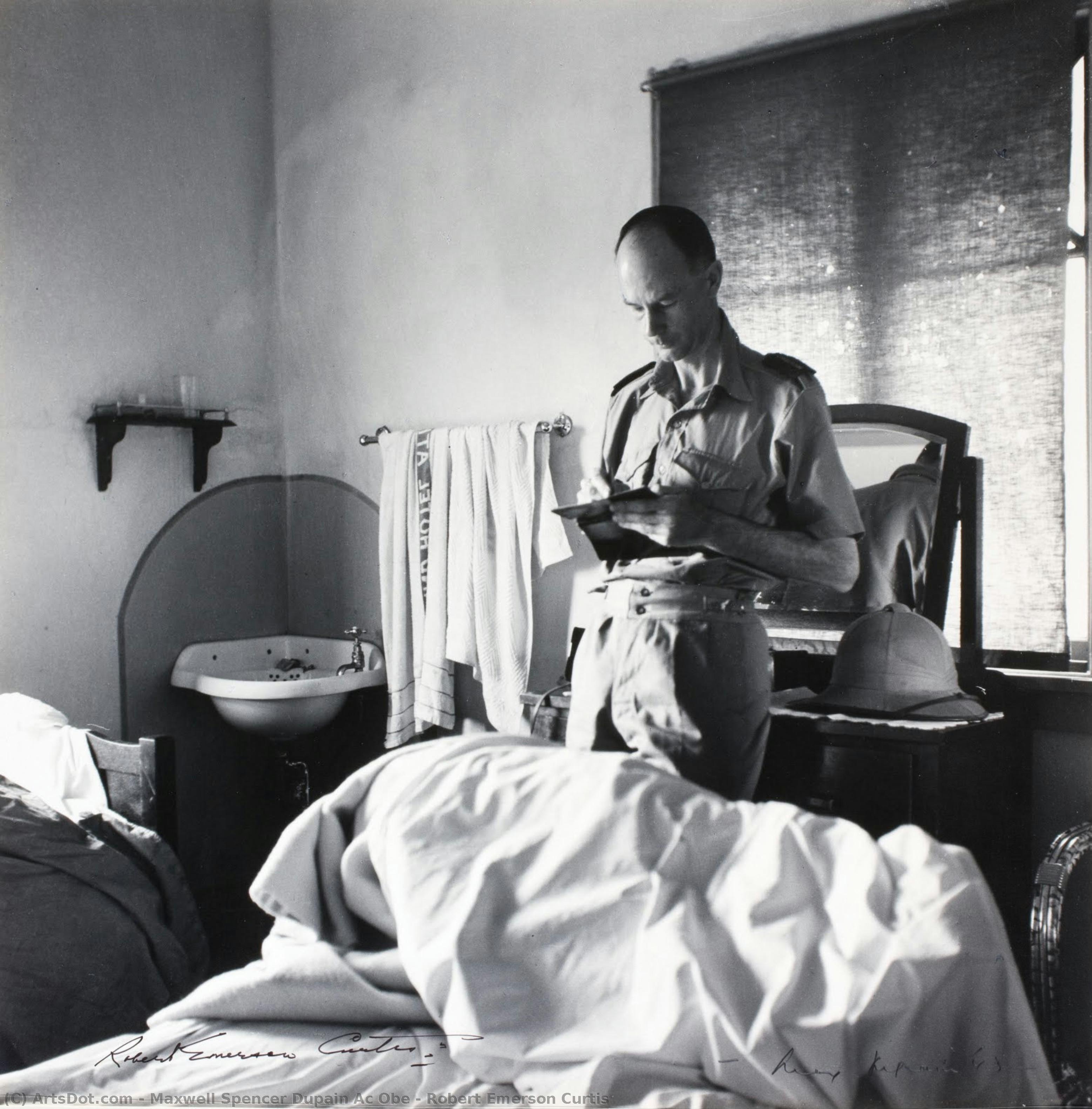
Robert Emerson Curtis
 Acrílico sobre lienzo
- Arte de pared
- Modernist Photography
 1943
1943 40.0 x 40.0 cm
 Galería Nacional de Retratos
 Leer más
Reproducción al óleo hecha a mano
Óleo sobre lienzo pintado a mano en el tamaño y marco de su elección, realizado por encargo por nuestros artistas. ( Pedir impresión Comprar descarga)




P118B $10

P118H $10

P118W $10

P438Z $10

P508JH $12

P508YH $12

P805H $10

P805Z $10

P919BZ $10

P919G $10

P919XJ $10

P959ZH $10

P968JZ $12

W106C $8

W218G $10

W218JH $8

W218Y $10

W307PJ $10

W316G $10

W316PJ $8

W316Y $10

W398PJ $8

W4111J $10

W500HY $15

W500JH $15

W692G $12

W849H $8

W940BG $15

W953PJ $8




Elija entre nuestros tamaños predefinidos que respetan las proporciones originales de la obra.

Puede ingresar sus propias dimensiones para adaptarse a un marco o espacio específico. Si el tamaño seleccionado no coincide con las proporciones de la imagen original, recortaremos la obra o extenderemos la pintura con elementos adicionales pintados a mano. Se le enviará una maqueta digital para su aprobación antes de comenzar la producción.
Tenga en cuenta que la vista previa en pantalla no refleja el recorte o la extensión reales. Solo la maqueta mostrará con precisión la composición final.
Si bien existen tamaños personalizados, recomendamos seleccionar una dimensión de la lista predefinida para preservar las proporciones originales.
Tras realizar el pedido, el equipo de OriginalUniqueArt.com enviará un correo electrónico al cliente para solicitar instrucciones y proporcionarle una vista previa del boceto.
Envío a todo el mundo () en 3-4 semanas en lugar de las 5 semanas estándar. (21 agosto). Sin comprometer la calidad.

Envío exprés gratuito a todo el mundo

Lienzo de lino de alta calidad

Seguro de envío completo

Garantía de reembolso de aranceles aduaneros

Garantía de fidelidad cromática exacta

Política de devolución de 60 días (solo por defectos)

Garantía de devolución del 100% del dinero

Oferta por volumen
 La opción de vidrio solo está disponible en tamaños inferiores a 110 cm.

Robert Emerson Curtis
Técnica de reproducción
Tamaño de la reproducción
-


Precio total
$ 300
Descripción de la obra
Robert Emerson Curtis: Capturing Sydney's Bridge Construction
Robert Emerson Curtis (1898–1986), artist, arrived in Sydney from England in his mid-teens. Having studied art by correspondence, he ventured into the United States with his friend, cinematographer Charles Chauvel, in 1922 and spent six formative years in San Francisco and Chicago, immersing himself in artistic pursuits – etching, woodcuts, and illustration for diverse magazines. A serendipitous encounter upon his return to Sydney revealed an ambitious bridge project underway, prompting him to connect with engineer John Bradfield and secure access to the Sydney Harbour Bridge site. Driven by a profound fascination for this monumental undertaking, Curtis embarked on a remarkable endeavor: documenting its construction through a series of meticulously crafted lithographs published in 1933; these were complemented by his recollections of the period presented in “The Bridge” (1981). During World War II, he documented munitions production and served as a camouflage officer in Cairns and New Guinea – experiences that undoubtedly shaped his artistic vision. In 1945, appointed official war artist, Curtis captured the industrial landscape of wartime Australia, reflecting the spirit of resilience and innovation prevalent during that era. His collaboration with Max Dupain mirrored their shared interest in architectural grandeur; “A Vision Takes Form - Sydney Opera House,” published in 1967, solidified his contribution to modernist Australian art.Stylistic Considerations: Documentary Photography Meets Modernism
Curtis’s artistic approach was firmly rooted in documentary photography, yet infused with the stylistic hallmarks of modernism. Rejecting traditional representational conventions, he prioritized capturing fleeting moments and conveying atmosphere—a characteristic evident throughout his oeuvre. The influence of Walter Gropius and Cecil Bostock is palpable, particularly in his deliberate use of geometric forms – walls, bed frames, towel racks – creating a sense of order and precision within the seemingly mundane setting depicted. Dupain’s modernist aesthetic championed simplification and abstraction, prioritizing tonal values to establish depth and texture—a technique skillfully employed in portraying the fabric textures of uniforms and bedding.Technical Execution: Lithography as Medium
The medium chosen for Curtis's bridge chronicle was lithography – a printing process renowned for its ability to reproduce images with exceptional detail and tonal range. This method demanded painstaking preparation, involving transferring ink onto stone plates etched with precise lines—a testament to the artist’s dedication and technical prowess. The resulting prints showcased remarkable clarity and nuance, capturing not only the physical structure of the bridge but also conveying the emotional resonance of the construction process – a palpable sense of anticipation and progress.Symbolism and Emotional Resonance: A Reflection of Australian Identity
Beyond its formal qualities, Curtis’s artwork embodies profound symbolism reflecting Australia's burgeoning modernity during the mid-20th century. The depiction of a simple bedroom—a space often associated with domestic tranquility—contrasts sharply with the monumental bridge project, symbolizing ambition and aspiration against the backdrop of everyday life. Furthermore, the artist’s gaze upon the document symbolizes analytical observation and meticulous documentation – capturing not merely what is seen but also conveying an underlying intellectual curiosity. Curtis's work serves as a poignant reminder of a pivotal moment in Australian history—a time when artistic innovation intersected with national pride.Concluding Remarks: An Enduring Legacy
Maxwell Spencer Dupain’s contribution to Australian art extends far beyond his photographic output. His unwavering commitment to modernist principles and his masterful execution of lithography established him as a pioneer—inspiring subsequent generations of artists and cementing his place within the canon of 20th-century visual culture. “Robert Emerson Curtis” remains an evocative testament to both artistic vision and historical circumstance, continuing to captivate audiences with its understated elegance and profound emotional depth.Biografía del artista
Maxwell Spencer Dupain AC OBE
Maxwell Spencer Dupain (1911–1992), fotógrafo australiano, nació en Sydney en 1911. Su interés por la fotografía comenzó a temprana edad cuando recibió su primera cámara como adolescente. Este inicio temprano lo llevó a estudiar bajo la tutela de Cecil Bostock, un reconocido fotógrafo de la época.Fotografía temprana y logros notables
Dupain desarrolló una pasión por el arte desde joven, influenciado por artistas como Walter Gropius y otros maestros que marcaron el desarrollo del movimiento moderno. Su formación académica incluyó estudios en East Sydney Technical College y Julian Ashton Art School, donde adquirió habilidades técnicas esenciales para la creación artística. Desde 1930 hasta 1934, trabajó como aprendiz con Cecil Bostock, uno de los fotógrafos más destacados de Australia, quien le enseñó los principios fundamentales del oficio. Esta colaboración fue fundamental para establecer su estilo distintivo y reconocido internacionalmente.Carrera Fotográfica Internacional
Dupain alcanzó la fama mundial gracias a su innovadora visión artística que trascendió las convenciones tradicionales de la fotografía comercial. Su obra maestra, “Sunbaker at Bondi” (1937), capturó la esencia del espíritu australiano y se convirtió en una imagen icónica que sigue siendo estudiada y admirada hasta nuestros días. Además, Dupain colaboró con diversas instituciones gubernamentales y organizaciones culturales para difundir el arte australiano a nivel internacional. Su trabajo fue reconocido con numerosos premios y homenajes, incluyendo el Orden de la Banda Blanca Británica (OBE) en 1982, un reconocimiento al servicio público que demostró durante toda su vida profesional.Estilo Modernista y Legado Duradero
Dupain desarrolló un estilo único caracterizado por una meticulosa atención al detalle y una exploración profunda de las formas geométricas como elementos centrales en sus fotografías arquitectónicas e industriales. Esta estética innovadora influyó en generaciones posteriores de artistas australianos y estableció estándares elevados para la expresión artística contemporánea. Su legado continúa inspirando a nuevos creadores y enriqueciendo el patrimonio cultural australiano, asegurando que su nombre permanezca grabado en la historia del arte moderno.Conclusión
Maxwell Spencer Dupain fue una figura esencial en el desarrollo de la fotografía australiana, cuyo trabajo sigue siendo estudiado y celebrado por expertos y amantes del arte en todo el mundo. Su visión artística, combinada con su compromiso con la difusión del conocimiento artístico, dejó una huella imborrable en el paisaje cultural australiano. Para profundizar en su obra y comprender mejor su impacto histórico, se recomienda consultar fuentes académicas especializadas y publicaciones revisadas por pares que ofrecen análisis críticos y perspectivas originales sobre su trayectoria artística.
Maxwell Spencer Dupain Ac Obe
1911 - 1992 , Australia
Datos clave
- Artistic Movement Or Style: Fotografía Modernista
- Artists Or Movements Influenced By This Artist: Walter Gropius
- Artists Who Influenced This Artist: Cecil Bostock
- Date Of Birth: 22 abril 1911
- Full Name: Maxwell Spencer Dupain AC OBE
- Nationality: Australiano
- Notable Artworks:
- George Dupain
- Thomasine Dupain
- Place Of Death: Sydney
Artículos relacionados

Beyond the Lens: Photography's Enduring Influence on Modern & Contemporary Art
Explore photography's pivotal role in shaping modern & contemporary art. Discover key movements, influential artists like Stieglitz, and expert collecting advice from OriginalUniqueArt.

Monochrome Visions: Exploring the Aesthetic & Historical Significance of Black & White Photography
Explore the rich history & artistic power of black and white photography. From early techniques to iconic masters like Ansel Adams, discover why monochrome continues to captivate art lovers today. Expert insights for collectors.

Pictorialismo: La Búsqueda del Alma de la Fotografía Artística – Estética, Técnicas y Legado
Descubre el Pictorialismo, un movimiento clave en la historia de la fotografía artística. Explora sus técnicas, figuras emblemáticas y su legado perdurable. Guía experta para coleccionistas y amantes del arte.

The Lens of Truth: A Comprehensive History and Legacy of Documentary Photography
Explore the profound history of documentary photography. From early daguerreotypes to social reform movements, discover how the lens captures truth, preserves vanishing cultures, and shapes our global visual narrative through an expert art-historical lens.
Witnessing History Through Lens & Light: Documentary Photography's Enduring Legacy
Explore the powerful history of documentary photography – from its origins to contemporary masters like Gordon Parks & W. Eugene Smith. Discover how this art form shapes our understanding of society and witness pivotal moments in time.