

 Vista previa
 Compartir
 Compartir
 Ver detalles

 Descargar
 Ver artículos similares
 Radiografía
 Presentación de diapositivas
 Estadísticas
Steelworks
 Oil On Canvas
- WallArt
- Neo-Impressionism
 1895
1895- 19th Century
 116.0 x 89.0 cm
 Musee du Petit Palais
 Leer más
Giclée / Impresión de arte
Impresiones giclée o en lienzo de calidad de museo con producción rápida y opciones de acabado flexibles. ( Encargar reproducción pintada a mano Ver versión en imagen digital)




P118B $10

P118H $10

P118W $10

P438Z $10

P508JH $12

P508YH $12

P805H $10

P805Z $10

P919BZ $10

P919G $10

P919XJ $10

P959ZH $10

P968JZ $12

W106C $8

W218G $10

W218JH $8

W218Y $10

W307PJ $10

W316G $10

W316PJ $8

W316Y $10

W398PJ $8

W4111J $10

W500HY $15

W500JH $15

W692G $12

W849H $8

W940BG $15

W953PJ $8




Elija entre nuestros tamaños predefinidos que respetan las proporciones originales de la obra.

Puede introducir sus propias dimensiones para adaptarse a un marco o espacio específico. Si el tamaño seleccionado no coincide con las proporciones de la imagen original, recortaremos la obra de arte o extenderemos la imagen con un borde con efecto espejo o de color sólido. Se enviará una maqueta digital para su aprobación antes de que comience la producción.
Tenga en cuenta que la vista previa en pantalla no refleja el recorte o la extensión real. Solo la maqueta mostrará con precisión la composición final.
Aunque existen tamaños personalizados, recomendamos seleccionar una dimensión de la lista predefinida para preservar las proporciones originales.
Envío a todo el mundo () en 2 semanas en lugar de las 4/5 semanas estándar. (16 septiembre)

Envío exprés gratuito a todo el mundo

Lienzo de lino de alta calidad

Seguro de envío completo

Garantía de reembolso de impuestos aduaneros

Garantía de fidelidad cromática exacta

Política de devolución de 100 días (solo por defectos)

Garantía de devolución del 100% del dinero

Oferta por volumen
 La opción de vidrio solo está disponible en tamaños inferiores a 110 cm.

Steelworks
Giclée / Impresión de arte
Tamaño de la reproducción
-


Precio total
$ 80
The Genesis of Steelworks: An Industrial Symphony
Maximilien Luce’s “Steelworks” isn't merely a depiction of a factory; it’s a visceral encounter with the heart of industrial progress – a moment frozen in time where raw power, human endeavor, and the elemental forces of fire converge. Painted in 1895 during a period of rapid technological advancement in France, this monumental oil on canvas transcends its subject matter to become a profound meditation on labor, modernity, and the very soul of the working class. Luce, deeply influenced by the social currents of his era and possessing an innate sensitivity to urban life, sought to capture not just the mechanics of steel production but also the human cost and dignity embedded within it. The painting’s genesis lies in a visit to the Marcinelle ironworks in Belgium, a site that profoundly impacted Luce's artistic vision – a place where the clang of machinery and the heat of furnaces seemed to pulse with an almost primal energy.

A Pointillist Revelation: Technique and Visual Language
Luce’s masterful execution is immediately apparent in “Steelworks.” He employs a technique that blends elements of Impressionism with the burgeoning principles of Neo-Impressionism, particularly Pointillism. Rather than blending colors directly on the canvas, Luce meticulously applied tiny dots of pure pigment – a method championed by Seurat and Signac – creating an optical illusion of color mixing when viewed from a distance. This technique lends the painting a remarkable luminosity and vibrancy, capturing the intense light and heat radiating from the furnace with breathtaking accuracy. The deliberate use of small brushstrokes, combined with the precise placement of each individual dot, generates a shimmering surface that seems to vibrate with energy. The composition itself is carefully structured; Luce utilizes strong diagonals – created by the furnace’s flames and the workers' postures – to draw the viewer’s eye through the scene, emphasizing the dynamism and intensity of the industrial process.
Decoding the Scene: Workers, Symbolism, and Social Commentary
The painting depicts a group of nine men working in close proximity to the furnace. Their faces are etched with fatigue, their bodies bent by labor, yet they maintain an air of stoic dignity. Luce doesn’t romanticize their toil; he presents it honestly, capturing the physical strain and mental exhaustion inherent in industrial work. The inclusion of details – hats worn by the workers, a fire hydrant strategically placed within the scene, and the suggestion of a bustling factory environment – adds layers of authenticity and context. The painting subtly critiques the dehumanizing aspects of industrialization, highlighting the sacrifices made by these men to fuel the progress of modern society. Luce’s choice to portray them not as nameless cogs in a machine but as individuals with distinct personalities and expressions elevates their status, imbuing the scene with a sense of human empathy.
Echoes of the Past: Historical Context and Legacy
“Steelworks” was created during a period of profound social and economic transformation in Europe. The late 19th century witnessed an unprecedented surge in industrial production, driven by technological innovation and fueled by the relentless pursuit of profit. This era also saw growing concerns about the working conditions of laborers – issues that were increasingly addressed through art and literature. Luce’s painting reflects these anxieties, offering a poignant glimpse into the lives of those who toiled within the factories and mills of the industrial age. The work resonates with earlier depictions of labor by artists like Constantin Meunier, particularly his sculptures “Le Mineur accroupi” and “Le Puddleur,” which similarly explored themes of fatigue and hardship. Luce’s painting stands as a testament to the enduring power of art to document social realities and provoke critical reflection.
Bringing Steelworks Home: Reproduction and Artistic Appreciation
Our meticulously crafted oil painting reproductions capture the essence of Luce's original masterpiece, allowing you to bring this powerful work into your own space. Each reproduction is created using archival-quality materials and techniques, ensuring that it will retain its vibrancy and beauty for generations to come. Whether adorning a modern loft or a classic study, “Steelworks” serves as a striking reminder of the human spirit’s capacity for resilience and innovation – a timeless symbol of industry, labor, and the enduring legacy of Maximilien Luce.
Biografía del artista
**Primeros años y formación**
Maximilien-Jules-Constant Luce, un prolífico artista neoimpresionista francés, nació el 13 de marzo de 1858 en París. Sus padres, de modestos recursos, fueron Charles-Désiré Luce (1823–1888), empleado ferroviario, y Louise-Joséphine Dunas (1822–1878). La familia residía en Montparnasse, un distrito obrero de París.**Evolución Artística**
El viaje artístico de Luce comenzó como aprendiz de grabador en madera, Henri Théophile Hildebrand (1824–1897) en 1872. Posteriormente, se centró en la pintura, primero como impresionista, luego como puntillista y finalmente regresando al impresionismo. Esta evolución es evidente en sus obras, como "Las Tuileries en París" (puntillismo) y "El Sena en Andelys" (puntillismo), que demuestran su dominio del color y la luz.**Obras Notables y Exposiciones**
- “En la orilla del Sena en Poissy” (1895), una radiante pintura puntillista, fue elogiada por un crítico del New York Times como "una celebración lírica de la naturaleza".
- Luce expuso en cada muestra de Les Indépendants desde 1887 hasta su muerte en 1941, incluyendo una retrospectiva de treinta años celebrada en 1926.
- Fue elegido vicepresidente de la Société des Artistes Indépendants en 1909 y presidente en 1935.
**Legado y Colecciones de Museos**
Las obras de Luce se pueden encontrar en diversas colecciones de museos, incluyendo el Musée d'Orsay, que alberga una impresionante colección de maestros impresionistas y postimpresionistas. Descubra las obras maestras del museo de Francia.- Explore la técnica puntillista de Luce en su pintura, “Las orillas del Sena” (puntillismo), que muestra su estilo único. Pintura de 'Maximilien Luce' | Maximilien Luce: Las orillas del Sena (puntillismo)
- Aprenda más sobre la evolución artística de Luce y sus contribuciones al movimiento neoimpresionista. Maximilien Luce - Wikipedia
- Descubra más obras maestras con OriginalUniqueArt.com, que proporciona reproducciones de alta calidad de las obras de Luce, incluyendo “El Pont-Neuf, París” (puntillismo). Pintura de 'Maximilien Luce' | Maximilien Luce: El Pont-Neuf, París (puntillismo)
**Influencia e Importancia Histórica**
Maximilien Luce se destacó por su capacidad para combinar la precisión científica del puntillismo con una sensibilidad impresionista. Su obra refleja un profundo amor por el paisaje parisino y la vida cotidiana, capturando momentos de luz y color con una técnica distintiva. Aunque a menudo eclipsado por figuras más prominentes del neoimpresionismo como Seurat y Signac, Luce desarrolló su propio estilo único, caracterizado por pinceladas más libres y una paleta vibrante. Su compromiso con Les Indépendants lo convirtió en un defensor de la libertad artística y contribuyó al desarrollo del arte moderno en Francia. Su legado reside en su habilidad para traducir la belleza efímera del mundo que le rodeaba en obras de arte atemporales, ofreciendo una visión personal e íntima de la vida urbana y rural a finales del siglo XIX y principios del XX.
Maximilien Luce
1858 - 1941 , Francia
Datos clave
- Estilo Artístico: Neoimpresionismo, Puntillismo
- Fecha De Muerte: 1941
- Fecha De Nacimiento: 13 de marzo de 1858
- Lugar De Nacimiento: París, Francia
- Nacionalidad: Francesa
- Nombre Completo: Maximilien Luce
- Obras Notables:
- El Sena en Poissy
- Los Tuileries en París
- El Sena en Andelys
- Le Pont-Neuf, París
Artículos relacionados
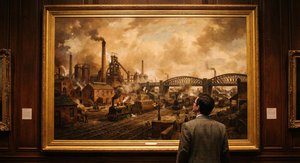
Arte Industrial: 10 Obras Maestras para un Hogar con Carácter | OriginalUniqueArt.com
Descubre 10 obras maestras que capturan la esencia del arte industrial. Explora la historia de Van Gogh, Hopper y Klimt, sus técnicas y paletas. Encuentra lienzos perfectos para un hogar con carácter en OriginalUniqueArt.com.
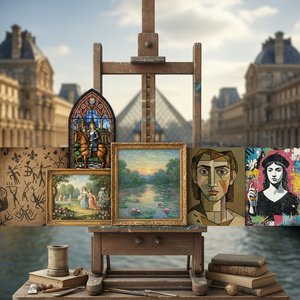
The Enduring Legacy of French Art: Movements, Masters & Cultural Impact
Explore the rich history of French art, from the Salon to Impressionism & beyond. Discover iconic masters, key movements, and expert guidance for collecting timeless masterpieces. OriginalUniqueArt.
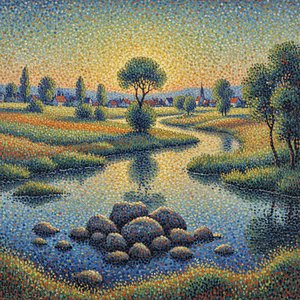
Islas Cromáticas: Explorando la Teoría y el Legado del Puntillismo en el Arte del Siglo XIX
Descubre el puntillismo: su origen, técnica innovadora y los artistas clave como Seurat y Signac. Explora la ciencia del color y su legado en la historia del arte. ¡Un análisis profundo y fascinante!

Impresionismo: 10 Obras Maestras que Capturan la Luz y el Momento
Descubre 10 obras maestras del impresionismo de Monet, Renoir y Degas. Explora la luz, el color y las historias detrás de estos icónicos cuadros. Reproducciones de arte en OriginalUniqueArt.com para decorar tu hogar con estilo.
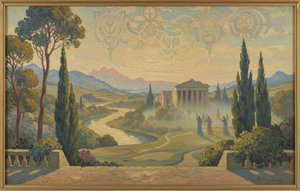
Henri Martin: A Synthesis of Impressionism & Symbolism in the French Landscape Tradition
Explore the captivating world of Henri Martin, a French Post-Impressionist bridging Impressionism & Symbolism. Discover his unique style, influential landscapes, and lasting legacy with OriginalUniqueArt.


