

 Vista previa
 Compartir
 Compartir
 Ver detalles

 Descargar
 Ver artículos similares
 Radiografía
 Presentación de diapositivas
 Estadísticas
La vida de los animales

 Leer más
Reproducción al óleo hecha a mano
Óleo sobre lienzo pintado a mano en el tamaño y marco de su elección, realizado por encargo por nuestros artistas. ( Cambiar a formato impreso Ver versión en imagen digital)




P118B $10

P118H $10

P118W $10

P438Z $10

P508JH $12

P508YH $12

P805H $10

P805Z $10

P919BZ $10

P919G $10

P919XJ $10

P959ZH $10

P968JZ $12

W106C $8

W218G $10

W218JH $8

W218Y $10

W307PJ $10

W316G $10

W316PJ $8

W316Y $10

W398PJ $8

W4111J $10

W500HY $15

W500JH $15

W692G $12

W849H $8

W940BG $15

W953PJ $8




Elija entre nuestros tamaños predefinidos que respetan las proporciones originales de la obra.

Puede ingresar sus propias dimensiones para adaptarse a un marco o espacio específico. Si el tamaño seleccionado no coincide con las proporciones de la imagen original, recortaremos la obra o extenderemos la pintura con elementos adicionales pintados a mano. Se le enviará una maqueta digital para su aprobación antes de comenzar la producción.
Tenga en cuenta que la vista previa en pantalla no refleja el recorte o la extensión reales. Solo la maqueta mostrará con precisión la composición final.
Si bien existen tamaños personalizados, recomendamos seleccionar una dimensión de la lista predefinida para preservar las proporciones originales.
Tras realizar el pedido, el equipo de OriginalUniqueArt.com enviará un correo electrónico al cliente para solicitar instrucciones y proporcionarle una vista previa del boceto.
Envío a todo el mundo () en 3-4 semanas en lugar de las 5 semanas estándar. (20 septiembre). Sin comprometer la calidad.

Envío exprés gratuito a todo el mundo

Lienzo de lino de alta calidad

Seguro de envío completo

Garantía de reembolso de impuestos aduaneros

Garantía de fidelidad cromática exacta

Política de devolución de 100 días (solo por defectos)

Garantía de devolución del 100% del dinero

Oferta por volumen
 La opción de vidrio solo está disponible en tamaños inferiores a 110 cm.

La vida de los animales
Técnica de reproducción
Tamaño de la reproducción
-


Precio total
$ 300
A Symphony of Yellows and Blues: Exploring Max Ernst’s “La vie des animaux”
Max Ernst's "La vie des animaux" isn’t merely a painting; it’s an invitation into the subconscious mind—a realm where logic yields to dreamlike imagery and color becomes a conduit for emotion. Executed around 1964, this abstract composition exemplifies Ernst’s signature Surrealist style, prioritizing intuition over representation to capture the essence of animal existence.
- Composition: The canvas is dominated by a tranquil azure expanse—a shade reminiscent of twilight skies—providing a grounding counterpoint to the scattered bursts of vibrant yellow dots. These aren’t haphazard splashes; they are meticulously placed, creating an intricate visual tapestry that draws the eye across the surface.
- Technique: Ernst employed oil paint on burlap, a material chosen for its textural qualities and ability to absorb pigment evenly. This technique lends the artwork a palpable physicality, mirroring the organic rhythms of nature itself. The artist’s brushstrokes are loose and expressive, conveying movement and dynamism despite the apparent stillness of the scene.
- Symbolism: Yellow, traditionally associated with optimism and vitality, symbolizes the energy and fecundity inherent in animal life—the promise of new beginnings and the cycle of renewal. However, its distribution across the canvas isn’t uniform; some dots are large and prominent, while others are diminutive, hinting at complexities beneath the surface.
- Historical Context: “La vie des animaux” emerged during Ernst's prolific period as a Surrealist innovator. Influenced by Freud’s psychoanalytic theories and Dada’s rejection of bourgeois values, Ernst sought to liberate art from rational constraints, delving into the depths of human psyche and exploring fantastical landscapes.
- Emotional Impact: Viewing this artwork evokes a sense of wonder—a feeling akin to encountering an unexpected beauty in the natural world. The interplay of color and texture stimulates contemplation, prompting viewers to consider themes of metamorphosis, instinct, and the interconnectedness of all living things. It’s a piece that lingers in the mind long after it has been observed.
Further Exploration: Ernst's Artistic Legacy
Beyond “La vie des animaux,” Max Ernst’s oeuvre encompasses a diverse range of mediums and styles—from collage and etching to sculpture and lithography. His fascination with mythology, alchemy, and primitive art fueled his artistic explorations, resulting in groundbreaking works that challenged conventional notions of representation.
Consider visiting Musée de la Vie Romantique in Paris, where you can immerse yourself in the atmosphere of Romanticism—a movement Ernst himself admired—and witness firsthand the influence of artists like Ary Scheffer. Alternatively, delve into the world of Surrealist art at Musée des Beaux-Arts et de la Céramique in Rouen to appreciate the breadth of Ernst’s artistic vision.
Connecting with the Artwork Online
Discover more about “La vie des animaux” and Max Ernst's broader artistic journey through online resources. Pinterest showcases inspiring images and interpretations of his work, offering a glimpse into the creative spirit that shaped his oeuvre. MutualArt provides detailed information on auction records and stylistic analysis—a valuable tool for collectors interested in understanding the artwork’s significance.
Explore MutualArt to uncover fascinating insights into Ernst's career and artistic achievements. Don’t miss out on upcoming exhibitions at your favorite galleries—stay informed about events celebrating Ernst’s legacy!
Resources for Art Enthusiasts
Interested in expanding your knowledge of Surrealist art? Explore The Guggenheim Museum's collection featuring Max Ernst’s “City with Animals,” offering a captivating visual experience and scholarly commentary.
For detailed market analysis and appraisal services, consult Invaluable—the premier online platform for art valuation and sales.
Biografía del artista
Max Ernst: Una Vida en el Surrealismo
Juventud y Educación
- Nacido: 1 de abril de 1891, en Brühl, Alemania.
- El padre de Ernst, Philipp Ernst, era maestro de sordos y pintor aficionado, fomentando el interés temprano de Max por el arte.
- Estudió filosofía, historia del arte, literatura, psicología y psiquiatría en la Universidad de Bonn desde 1909.
- Esta diversa formación académica influyó profundamente en sus posteriores exploraciones artísticas.
Desarrollo Artístico e Influencias
- Un momento decisivo fue la exposición Sonderbund en Colonia (1912), donde conoció obras de Pablo Picasso, Vincent van Gogh, y Paul Gauguin.
- En 1914, conoció a Hans Arp, comenzando una amistad que duró toda la vida e influyó significativamente en su trayectoria artística.
- La Primera Guerra Mundial impactó profundamente a Ernst; sus experiencias como soldado llevaron al desencanto y a una visión crítica de la sociedad.
- Se sintió influenciado por las obras de Sigmund Freud, explorando temas de la mente inconsciente en su arte.
Dada y Surrealismo
- Ernst se convirtió en una figura clave del grupo Dada de Colonia después de la Primera Guerra Mundial, rechazando las convenciones artísticas tradicionales.
- Pionero en técnicas innovadoras como frottage (frotar lápiz sobre superficies texturizadas) y grattage (raspar pintura para revelar capas subyacentes).
- En la década de 1920, se unió al movimiento Surrealista en París, colaborando con artistas como Paul Éluard.
- Su obra durante este período exploró imágenes oníricas y temas psicológicos.
Obras Principales y Técnicas
- Frottage: Una técnica utilizada para crear texturas e imágenes inesperadas, ejemplificada en muchas de sus obras.
- Collage: Ernst empleó con frecuencia el collage, combinando elementos dispares para crear composiciones surrealistas.
- Obras Notables:
- La Ciudad Entera
- Euclides
- De Esto Ninguno Debería Saber
- Bosque y Paloma
- Sus pinturas a menudo presentan imágenes simbólicas, incluyendo pájaros (particularmente su alter ego Loplop), paisajes y yuxtaposiciones inquietantes.
Vida Tardía y Legado
- Ernst se trasladó a Estados Unidos durante la Segunda Guerra Mundial, continuando pintando y experimentando con nuevas técnicas.
- Regresó a Francia después de la guerra y permaneció activo hasta su muerte el 1 de abril de 1976, en París.
- Significado Histórico: Las contribuciones de Max Ernst a Dada y Surrealismo fueron innovadoras. Desafió las normas artísticas, exploró la mente subconsciente e inventó técnicas innovadoras que continúan inspirando a los artistas de hoy en día.
- Sigue siendo una de las figuras más importantes e influyentes del arte del siglo XX.
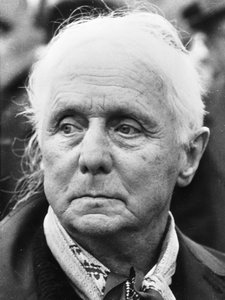
Max Ernst
1891 - 1976 , Alemania
Datos clave
- Artistas Influenciados: ['Muchos artistas posteriores']
- Artistas Que Influyeron:
- Pablo Picasso
- Vincent van Gogh
- Paul Gauguin
- Sigmund Freud
- Fecha De Muerte: 1 de abril de 1976
- Fecha De Nacimiento: 1 de abril de 1891
- Lugar De Nacimiento: Brühl, Alemania
- Movimiento Artístico: Dadaísmo y Surrealismo
- Nacionalidad: Alemán/Americano/Francés
- Nombre Completo: Max Ernst
- Obras Notables:
- La Ciudad Entera
- Euclides
- Bosque y Paloma
- El Elefante de Célebes
Artículos relacionados

Serene Blue Backgrounds: Discover Soulful Art to Transform Your Space with Timeless Elegance
Transform your home with soulful blue art. From serene Monet impressions to modern textured sculptures, discover curated masterpieces designed to inspire calm. Explore expert art consultations and bespoke hand-painted reproductions to create your personal sanctuary.

Las 10 Obras Maestras del Azul Pizarra: Arte, Historia y Decoración
Descubre las 10 pinturas más famosas dominadas por el azul pizarra. Explora la historia, técnica y belleza de Monet, Van Gogh y otros maestros. Encuentra reproducciones de arte exclusivas para decorar tu hogar en .
Animalia: Explorando la Presencia Duradera de los Animales en el Arte y el Diseño de Interiores
Descubre la fascinante historia de los animales en el arte y cómo inspirar tu hogar con su simbolismo. Expertos en reproducciones y asesoramiento artístico.

Max Ernst: Las 25 Obras Maestras del Surrealismo para Decorar tu Hogar con Arte
Descubre las 25 obras maestras de Max Ernst, el rey del surrealismo. Explora su arte onírico, técnicas innovadoras y simbolismo profundo. Reproducciones de alta calidad para decorar tu hogar con estilo en OriginalUniqueArt.com

Expresionismo Abstracto: 10 Obras Maestras que Transformaron el Arte |
Descubre las 10 obras maestras del Expresionismo Abstracto: Pollock, Rothko y más. Explora la historia, técnica y significado de estos lienzos icónicos. Reproducciones de arte exclusivas en .


