
 Ver en contexto
 Enviar
 Compartir
 Detalles
 Guía
Guía

 Descargar
 Similares
 Radiografía
 Presentación de diapositivas
 Q&A
Q&A Estadísticas
Ilustración a "Una Semana de Bondad"

- 18.0 x 13.0 cm


 Ver más
La obra de arte que se muestra en esta página está protegida por las leyes de propiedad intelectual, lo que significa que no podemos crear ni vender legalmente una reproducción idéntica. Esta protección se hace cumplir en virtud de acuerdos internacionales como el Convenio de Berna y por las leyes nacionales, incluidas aquellas establecidas por el Ley de derechos de autor de los EE. UU. - Título 17.
Este método cumple plenamente con las normativas de derechos de autor, ya que no implica la copia ni la duplicación de la obra protegida. En su lugar, se trata de una reinterpretación creativa: una nueva pintura influenciada por la original, pero que no es idéntica a ella.
Giclée / Impresión de arte
Impresiones giclée o en lienzo de calidad de museo con producción rápida y opciones de acabado flexibles. ( Comprar pintura hecha a mano Cambiar a imagen digital)




P118B €10

P118H €10

P118W €10

P438Z €10

P508JH €12

P508YH €12

P805H €10

P805Z €10

P919BZ €10

P919G €10

P919XJ €10

P959ZH €10

P968JZ €12

W106C €8

W218G €10

W218JH €8

W218Y €10

W307PJ €10

W316G €10

W316PJ €8

W316Y €10

W398PJ €8

W4111J €10

W500HY €15

W500JH €15

W692G €12

W849H €8

W940BG €15

W953PJ €8




Elija entre nuestros tamaños predefinidos que respetan las proporciones originales de la obra.

Introduzca el ancho y el alto que necesite para adaptarse a su marco o pared. Una impresión solo puede recortarse, nunca hacerse más grande que la imagen original, por lo que un tamaño con una forma distinta perderá parte de la obra. Le enviaremos una maqueta digital para su aprobación antes de realizar cualquier impresión. La imagen que se muestra en esta página no refleja el recorte real; solo la maqueta lo hace.
Envío a todo el mundo () en 2 semanas en lugar de las 4/5 semanas estándar. (2 noviembre)

Envío exprés gratuito a todo el mundo

Lienzo de lino de alta calidad

Seguro de envío total

Garantía de reembolso de aranceles aduaneros

Garantía de fidelidad cromática exacta

Política de devolución de 100 días (solo por defectos)

Garantía de devolución del 100% del dinero

Descuento por cantidad
 La opción de vidrio solo está disponible en tamaños inferiores a 110 cm.

Ilustración a "Una Semana de Bondad"
Giclée / Impresión de arte
Dimensiones de la reproducción
-


Precio total final
€ 71
Una semilla surrealista de bondad: “Ilustración a ‘Una Semana de Bondad’” de Max Ernst
El dibujo de 1934 de Max Ernst, "Ilustración a ‘Una Semana de Bondad’", no es meramente una representación; es una invitación al paisaje inquietante pero profundamente conmovedor de la mente surrealista. Nacido como Maximilian Maria Ernst en Brühl, Alemania, en 1891, Ernst no fue simplemente un pintor; fue un incansable investigador del subconsciente, impulsado por el deseo de desmantelar el pensamiento convencional y exponer las corrientes ocultas bajo la superficie de la realidad. Su infancia, marcada por la dedicación de su padre a la educación de los sordos y por el propio espíritu rebelde de Ernst, sentó las bases de un enfoque artístico que priorizaba la exploración psicológica sobre la representación directa. Esta pieza, parte de una serie titulada “Une semaine de bonté” (Una semana de bondad), ejemplifica esta visión profundamente personal y, a menudo, perturbadora.
La imagen en sí presenta una yuxtaposición impactante: una figura esquelética, plasmada con un detalle meticuloso mediante líneas finas, emerge del abrazo enredado de una planta. Las extremidades del esqueleto se extienden hacia afuera, pareciendo sostener o incluso brotar del tallo de la planta, una metáfora visual de la naturaleza cíclica de la vida y la muerte, el crecimiento y la decadencia. El tenedor sostenido por la mano esquelética es particularmente cautivador; es un objeto de utilidad y, a la vez, de una ambigüedad inquietante, que sugiere nutrición, tal vez, pero también apunta a un acto deliberado de división o incluso de juicio. La paleta monocromática —una gama de grises cuidadosamente orquestada— amplifica la crudeza de la obra y enfatiza los contrastes texturales entre el hueso y el follaje. Ernst utiliza magistralmente el rayado y el sombreado cruzado para construir profundidad y crear una sensación de materialidad tangible, imitando la apariencia de un grabado mientras conserva la fluidez de un dibujo.
Decodificando el simbolismo: Muerte, regeneración y la condición humana
“Ilustración a ‘Una Semana de Bondad’” está impregnada de un simbolismo que invita a múltiples interpretaciones. El esqueleto, emblema universal de la mortalidad, no se presenta como un espectáculo morboso, sino como una parte integral del ciclo de vida de la planta. Esto sugiere una meditación sobre la regeneración: la muerte nutriendo el nuevo crecimiento, un poderoso recordatorio de la interconexión de todas las cosas. El tenedor, frecuentemente asociado con el sustento y la generosidad, adquiere aquí una connotación más oscura; podría representar las elecciones que tomamos, las divisiones que creamos dentro de nosotros mismos y en nuestras relaciones. La planta misma, brotando del armazón esquelético, encarna la resiliencia y el impulso persistente de vivir, incluso ante el declive inevitable.
El título de la obra, “Una Semana de Bondad”, añade otra capa de complejidad. Es una provocación deliberada que desafía al espectador a considerar qué constituye la bondad: ¿son simplemente actos de generosidad, o abarcan una comprensión y aceptación más profunda de la fragilidad inherente de la existencia? Ernst, conocido por su exploración de temas psicológicos, probablemente pretendía que esta pieza fuera una invitación a contemplar nuestra propia mortalidad y la importancia de la compasión al navegar las incertidumbres de la vida. El movimiento surrealista, del cual Ernst fue una figura clave, buscaba a menudo desbloquear la mente inconsciente a través de imágenes oníricas y yuxtaposiciones inesperadas; esta obra encarna perfectamente ese espíritu.
Técnica y contexto: El legado del Dadaísmo y el Surrealismo
La técnica de Ernst se caracteriza por un control notable sobre la línea y la textura. La representación precisa, casi obsesiva, de la estructura esquelética contrasta fuertemente con las formas orgánicas de la planta, creando una tensión dinámica dentro de la composición. Este detalle meticuloso, combinado con el uso deliberado del monocromo, evoca la apariencia de un grabado o una xilografía, un medio que permitía tanto una precisión intrincada como sutiles variaciones tonales. La creación de esta obra ocurrió en el apogeo del movimiento surrealista, un período marcado por la experimentación y la rebelión contra las convenciones artísticas tradicionales. Influenciado por el rechazo a la lógica y la razón propio del dadaísmo, Ernst buscó conectar con el reino de los sueños, las ansiedades y los deseos reprimidos.
Investigaciones adicionales revelan que “Une semaine de bonté” formaba parte de un proyecto más amplio que exploraba temas de compasión y conexión humana. La serie, publicada en 1934, pretendía promover la empatía y el entendimiento durante un período turbulento de la historia europea. (Consulte el enlace de Wikipedia para obtener más contexto sobre este proyecto más amplio). La obra de Ernst continúa resonando hoy en día, ofreciendo una meditación atemporal sobre la mortalidad, la regeneración y el poder perdurable de la bondad humana: un recordatorio potente de que, incluso dentro de la oscuridad, siempre existe el potencial para el crecimiento y la renovación.
Coleccionismo y experiencia: Una reproducción digna de considerar
Las reproducciones de “Ilustración a ‘Una Semana de Bondad’” ofrecen una forma fascinante de traer esta evocadora obra de arte a su hogar u oficina. El dibujo original, con unas dimensiones de 18 x 13 cm, es un testimonio de la meticulosa destreza de Ernst y su profundo conocimiento del simbolismo. Al seleccionar una reproducción, considere la calidad de la impresión: una impresión digital de alta resolución sobre papel de archivo capturará mejor los matices del trazo de Ernst y sus variaciones tonales. Esta pieza no es simplemente un objeto decorativo; es una invitación a contemplar temas complejos y a conectar con el legado perdurable del surrealismo. (Consulte los enlaces para una mayor exploración del arte de Max Ernst y artistas relacionados).
Preguntas y respuestas
¿Para qué uso se recomienda una impresión de "Ilustración a "Una Semana de Bondad""?
Se recomienda utilizar una impresión de "Ilustración a "Una Semana de Bondad"" para Pieza central.
¿Qué emoción transmite "Ilustración a "Una Semana de Bondad"" de Max Ernst?
El tono emocional registrado para "Ilustración a "Una Semana de Bondad"" de Max Ernst es Melancólico. Este resume el sentimiento que expresa la obra.
¿Quién es el autor de "Ilustración a "Una Semana de Bondad"" y a qué movimiento pertenece?
"Ilustración a "Una Semana de Bondad"" es una obra de Max Ernst perteneciente al movimiento Surrealist Movement.
Biografía del artista
Max Ernst: Una Vida en el Surrealismo
Juventud y Educación
- Nacido: 1 de abril de 1891, en Brühl, Alemania.
- El padre de Ernst, Philipp Ernst, era maestro de sordos y pintor aficionado, fomentando el interés temprano de Max por el arte.
- Estudió filosofía, historia del arte, literatura, psicología y psiquiatría en la Universidad de Bonn desde 1909.
- Esta diversa formación académica influyó profundamente en sus posteriores exploraciones artísticas.
Desarrollo Artístico e Influencias
- Un momento decisivo fue la exposición Sonderbund en Colonia (1912), donde conoció obras de Pablo Picasso, Vincent van Gogh, y Paul Gauguin.
- En 1914, conoció a Hans Arp, comenzando una amistad que duró toda la vida e influyó significativamente en su trayectoria artística.
- La Primera Guerra Mundial impactó profundamente a Ernst; sus experiencias como soldado llevaron al desencanto y a una visión crítica de la sociedad.
- Se sintió influenciado por las obras de Sigmund Freud, explorando temas de la mente inconsciente en su arte.
Dada y Surrealismo
- Ernst se convirtió en una figura clave del grupo Dada de Colonia después de la Primera Guerra Mundial, rechazando las convenciones artísticas tradicionales.
- Pionero en técnicas innovadoras como frottage (frotar lápiz sobre superficies texturizadas) y grattage (raspar pintura para revelar capas subyacentes).
- En la década de 1920, se unió al movimiento Surrealista en París, colaborando con artistas como Paul Éluard.
- Su obra durante este período exploró imágenes oníricas y temas psicológicos.
Obras Principales y Técnicas
- Frottage: Una técnica utilizada para crear texturas e imágenes inesperadas, ejemplificada en muchas de sus obras.
- Collage: Ernst empleó con frecuencia el collage, combinando elementos dispares para crear composiciones surrealistas.
- Obras Notables:
- La Ciudad Entera
- Euclides
- De Esto Ninguno Debería Saber
- Bosque y Paloma
- Sus pinturas a menudo presentan imágenes simbólicas, incluyendo pájaros (particularmente su alter ego Loplop), paisajes y yuxtaposiciones inquietantes.
Vida Tardía y Legado
- Ernst se trasladó a Estados Unidos durante la Segunda Guerra Mundial, continuando pintando y experimentando con nuevas técnicas.
- Regresó a Francia después de la guerra y permaneció activo hasta su muerte el 1 de abril de 1976, en París.
- Significado Histórico: Las contribuciones de Max Ernst a Dada y Surrealismo fueron innovadoras. Desafió las normas artísticas, exploró la mente subconsciente e inventó técnicas innovadoras que continúan inspirando a los artistas de hoy en día.
- Sigue siendo una de las figuras más importantes e influyentes del arte del siglo XX.
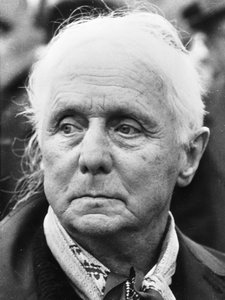
Max Ernst
1891 - 1976 , Alemania
Datos clave
- Artistas Influenciados: ['Muchos artistas posteriores']
- Artistas Que Influyeron:
- Pablo Picasso
- Vincent van Gogh
- Paul Gauguin
- Sigmund Freud
- Fecha De Muerte: 1 de abril de 1976
- Fecha De Nacimiento: 1 de abril de 1891
- Lugar De Nacimiento: Brühl, Alemania
- Movimiento Artístico: Dadaísmo y Surrealismo
- Nacionalidad: Alemán/Americano/Francés
- Nombre Completo: Max Ernst
- Obras Notables:
- La Ciudad Entera
- Euclides
- Bosque y Paloma
- El Elefante de Célebes
Artículos relacionados

Explorando el inconsciente: Las 25 obras maestras de Max Ernst
Viaja por el surrealismo con las 25 mejores obras de Max Ernst. Explora esta colección única en OriginalUniqueArt.com.
The Flourishing Canvas: A Historical & Artistic Exploration of Botanical Illustration
Explore the rich history of botanical illustration! Discover key artists like Havell & Barraband, learn about scientific accuracy & aesthetic beauty. Shop museum-quality reproductions at OriginalUniqueArt.
Kay Rasmus Nielsen: A Golden Age Illustrator's Enchanting Legacy of Symbolism & Narrative
Explore the captivating world of Kay Rasmus Nielsen, a celebrated Golden Age illustrator renowned for his Art Nouveau fairy tale art & Disney contributions. Discover his unique style, enduring legacy, and how to collect his enchanting works.

Angelo Chiacchio: A Mid-Century American Illustration Master & the Rise of Commercial Art
Explore the captivating world of Angelo Chiacchio, a master of mid-century American illustration. Discover his evolution, signature style, and lasting impact on commercial art & design. Learn about his legacy at the Museum of American Illustration.

La Precisión de la Percepción: La Ilustración Científica como Arte y Epistemología
Descubra la fascinante historia y el arte detrás de la ilustración botánica. Explore técnicas precisas, colaboraciones entre científicos e ilustradores, y su valor cultural. ¡Un viaje visual al mundo vegetal!


