

 Ver en contexto
 Enviar
 Compartir
 Detalles

 Descargar
 Similares
 Radiografía
 Presentación de diapositivas
 Estadísticas
En Primera Palabra Clara


 Ver más
Giclée / Impresión de arte
Impresiones giclée o en lienzo de calidad de museo con producción rápida y opciones de acabado flexibles. ( Comprar pintura hecha a mano Cambiar a imagen digital)




P118B $10

P118H $10

P118W $10

P438Z $10

P508JH $12

P508YH $12

P805H $10

P805Z $10

P919BZ $10

P919G $10

P919XJ $10

P959ZH $10

P968JZ $12

W106C $8

W218G $10

W218JH $8

W218Y $10

W307PJ $10

W316G $10

W316PJ $8

W316Y $10

W398PJ $8

W4111J $10

W500HY $15

W500JH $15

W692G $12

W849H $8

W940BG $15

W953PJ $8




Elija entre nuestros tamaños predefinidos que respetan las proporciones originales de la obra.

Puede introducir sus propias dimensiones para adaptarse a un marco o espacio específico. Si el tamaño seleccionado no coincide con las proporciones de la imagen original, recortaremos la obra de arte o extenderemos la imagen con un borde con efecto espejo o de color sólido. Se enviará una maqueta digital para su aprobación antes de que comience la producción.
Tenga en cuenta que la vista previa en pantalla no refleja el recorte o la extensión real. Solo la maqueta mostrará con precisión la composición final.
Aunque existen tamaños personalizados, recomendamos seleccionar una dimensión de la lista predefinida para preservar las proporciones originales.
Envío a todo el mundo () en 2 semanas en lugar de las 4/5 semanas estándar. (10 septiembre)

Envío exprés gratuito a todo el mundo

Lienzo de lino de alta calidad

Seguro de envío total

Garantía de reembolso de impuestos aduaneros

Garantía de fidelidad cromática exacta

Política de devolución de 100 días (solo por defectos)

Garantía de devolución del 100% del dinero

Descuento por cantidad
 La opción de vidrio solo está disponible en tamaños inferiores a 110 cm.

En Primera Palabra Clara
Giclée / Impresión de arte
Dimensiones de la reproducción
-


Precio total final
$ 80
At the First Clear Word
“At the First Clear Word” by Max Ernst stands as a cornerstone of Surrealist art, born in 1923. Created during a period marked by profound artistic experimentation and intellectual upheaval, this oil on canvas piece exemplifies Ernst’s singular ability to fuse reality with fantasy—a characteristic that yields an atmosphere brimming with intrigue and imaginative vision.
As a prominent figure within the Surrealist movement, Ernst employed groundbreaking techniques like Grattage—a method involving scraping away layers of paint to reveal underlying textures and forms—to generate images that defy conventional representation. This deliberate disruption of artistic conventions served as a powerful tool for accessing the subconscious mind, mirroring the broader aims of Surrealist artists.
Composition and Symbolism
The painting depicts a figure holding an apple, reaching out from behind a wall adorned with a window. Two apples are strategically positioned within the scene—one grasped by the person depicted and another resting nearby—creating a visual motif that resonates with themes of knowledge and temptation. A potted plant occupies the upper left corner, symbolizing growth and vitality, while a vase sits in the background, adding to the overall sense of serenity.
The composition’s deliberate arrangement contributes significantly to its dreamlike quality, aligning perfectly with Surrealist aesthetics. Ernst's masterful use of everyday objects—the wall, the window, the apple—placed within unexpected contexts challenges viewers’ perceptions and invites contemplation. The painting’s symbolism is multilayered; the wall and window may represent barriers separating consciousness from unconsciousness, prompting reflection on psychological states.
Artistic Style and Technique
Ernst's artistic style is characterized by his fearless embrace of experimentation—particularly Grattage—which resulted in textured surfaces and evocative visual effects. This technique demanded meticulous attention to detail and a willingness to abandon traditional methods, pushing the boundaries of artistic expression.
- View more paintings by Max Ernst on OriginalUniqueArt.com
- Learn about the Surrealist movement and its key figures on Wikipedia
Historical Context
Created during the turbulent years following World War I, “At the First Clear Word” reflects the anxieties and uncertainties of a generation grappling with disillusionment and searching for new modes of expression. The Surrealist movement emerged as a reaction to rational thought and scientific dogma—a deliberate rejection of logic in favor of intuition and imagination.
Ernst’s work stands alongside other seminal Surrealist pieces, such as “The Wavering Woman” and “Ubu Imperator,” demonstrating the shared conviction that art could serve as a conduit for accessing hidden realms of consciousness. These artists sought to liberate creativity from constraints imposed by reason, prioritizing emotion and subconscious impulses.
Concluding Remarks
“At the First Clear Word” remains a testament to Max Ernst’s artistic vision—a captivating blend of abstraction and representation that continues to fascinate art enthusiasts worldwide. As a masterpiece of Surrealist art, it invites viewers to embark on a journey into the depths of their own psyche, questioning assumptions about reality and embracing the transformative power of imagination.
For those desiring to possess a tangible connection to this artistic legacy, OriginalUniqueArt.com offers meticulously crafted oil painting reproductions of “At the First Clear Word” and other iconic works by Max Ernst—allowing collectors and admirers alike to experience the beauty and complexity of Surrealist art firsthand.
Biografía del artista
Max Ernst: Una Vida en el Surrealismo
Juventud y Educación
- Nacido: 1 de abril de 1891, en Brühl, Alemania.
- El padre de Ernst, Philipp Ernst, era maestro de sordos y pintor aficionado, fomentando el interés temprano de Max por el arte.
- Estudió filosofía, historia del arte, literatura, psicología y psiquiatría en la Universidad de Bonn desde 1909.
- Esta diversa formación académica influyó profundamente en sus posteriores exploraciones artísticas.
Desarrollo Artístico e Influencias
- Un momento decisivo fue la exposición Sonderbund en Colonia (1912), donde conoció obras de Pablo Picasso, Vincent van Gogh, y Paul Gauguin.
- En 1914, conoció a Hans Arp, comenzando una amistad que duró toda la vida e influyó significativamente en su trayectoria artística.
- La Primera Guerra Mundial impactó profundamente a Ernst; sus experiencias como soldado llevaron al desencanto y a una visión crítica de la sociedad.
- Se sintió influenciado por las obras de Sigmund Freud, explorando temas de la mente inconsciente en su arte.
Dada y Surrealismo
- Ernst se convirtió en una figura clave del grupo Dada de Colonia después de la Primera Guerra Mundial, rechazando las convenciones artísticas tradicionales.
- Pionero en técnicas innovadoras como frottage (frotar lápiz sobre superficies texturizadas) y grattage (raspar pintura para revelar capas subyacentes).
- En la década de 1920, se unió al movimiento Surrealista en París, colaborando con artistas como Paul Éluard.
- Su obra durante este período exploró imágenes oníricas y temas psicológicos.
Obras Principales y Técnicas
- Frottage: Una técnica utilizada para crear texturas e imágenes inesperadas, ejemplificada en muchas de sus obras.
- Collage: Ernst empleó con frecuencia el collage, combinando elementos dispares para crear composiciones surrealistas.
- Obras Notables:
- La Ciudad Entera
- Euclides
- De Esto Ninguno Debería Saber
- Bosque y Paloma
- Sus pinturas a menudo presentan imágenes simbólicas, incluyendo pájaros (particularmente su alter ego Loplop), paisajes y yuxtaposiciones inquietantes.
Vida Tardía y Legado
- Ernst se trasladó a Estados Unidos durante la Segunda Guerra Mundial, continuando pintando y experimentando con nuevas técnicas.
- Regresó a Francia después de la guerra y permaneció activo hasta su muerte el 1 de abril de 1976, en París.
- Significado Histórico: Las contribuciones de Max Ernst a Dada y Surrealismo fueron innovadoras. Desafió las normas artísticas, exploró la mente subconsciente e inventó técnicas innovadoras que continúan inspirando a los artistas de hoy en día.
- Sigue siendo una de las figuras más importantes e influyentes del arte del siglo XX.
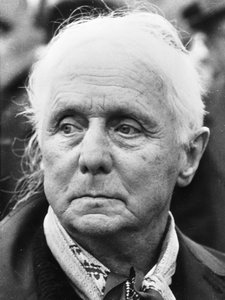
Max Ernst
1891 - 1976 , Alemania
Datos clave
- Artistas Influenciados: ['Muchos artistas posteriores']
- Artistas Que Influyeron:
- Pablo Picasso
- Vincent van Gogh
- Paul Gauguin
- Sigmund Freud
- Fecha De Muerte: 1 de abril de 1976
- Fecha De Nacimiento: 1 de abril de 1891
- Lugar De Nacimiento: Brühl, Alemania
- Movimiento Artístico: Dadaísmo y Surrealismo
- Nacionalidad: Alemán/Americano/Francés
- Nombre Completo: Max Ernst
- Obras Notables:
- La Ciudad Entera
- Euclides
- Bosque y Paloma
- El Elefante de Célebes
Artículos relacionados
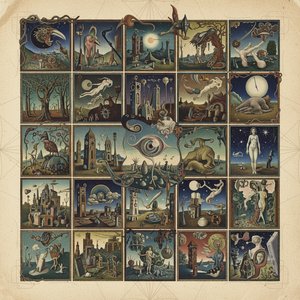
Max Ernst: Las 25 Obras Maestras del Surrealismo para Decorar tu Hogar con Arte
Descubre las 25 obras maestras de Max Ernst, el rey del surrealismo. Explora su arte onírico, técnicas innovadoras y simbolismo profundo. Reproducciones de alta calidad para decorar tu hogar con estilo en OriginalUniqueArt.com

El Legado Duradero del Óleo sobre Lienzo: Técnica, Historia y Práctica Contemporánea
Descubre la historia y técnica del óleo sobre lienzo. Explora reproducciones fieles hechas a mano, personalización artística y consejos de expertos con .

El Óleo sobre Lienzo: Historia, Técnica y la Persistencia de un Medio Artístico Atemporal
Descubre la historia y técnica del óleo sobre lienzo. Explora reproducciones fieles hechas a mano, personalización artística y consejos de expertos con OriginalUniqueArt. ¡Colecciona arte con confianza!

The Enduring Legacy of Oil on Canvas: Technique, History & Aesthetic Impact
Explore the rich history & techniques of oil painting – from Renaissance masters to Impressionism. Discover pigments, layering methods, and why this timeless medium endures. Expert insights for artists & art enthusiasts.
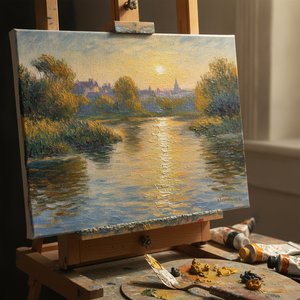
The Soul of Impressionism: Why Oil on Canvas Captures Eternal Light and Timeless Emotion
Discover the enchanting alchemy of Impressionism. Explore how the mastery of oil on canvas, through glazing and impasto, captures eternal light and emotion. Perfect for lovers of Monet and Van Gogh seeking the profound depth of hand-painted fine art.


