
 Ver en contexto
 Enviar
 Compartir
 Detalles
 Guía
Guía

 Descargar
 Similares
 Radiografía
 Presentación de diapositivas
 Q&A
Q&A Estadísticas
Quappi and Indian


 Ver más
Giclée / Impresión de arte
Impresiones giclée o en lienzo de calidad de museo con producción rápida y opciones de acabado flexibles. ( Comprar pintura hecha a mano Cambiar a imagen digital)




P118B €10

P118H €10

P118W €10

P438Z €10

P508JH €12

P508YH €12

P805H €10

P805Z €10

P919BZ €10

P919G €10

P919XJ €10

P959ZH €10

P968JZ €12

W106C €8

W218G €10

W218JH €8

W218Y €10

W307PJ €10

W316G €10

W316PJ €8

W316Y €10

W398PJ €8

W4111J €10

W500HY €15

W500JH €15

W692G €12

W849H €8

W940BG €15

W953PJ €8




Elija entre nuestros tamaños predefinidos que respetan las proporciones originales de la obra.

Introduzca el ancho y el alto que necesite para adaptarse a su marco o pared. Una impresión solo puede recortarse, nunca hacerse más grande que la imagen original, por lo que un tamaño con una forma distinta perderá parte de la obra. Le enviaremos una maqueta digital para su aprobación antes de realizar cualquier impresión. La imagen que se muestra en esta página no refleja el recorte real; solo la maqueta lo hace.
Envío a todo el mundo () en 2 semanas en lugar de las 4/5 semanas estándar. (2 noviembre)

Envío exprés gratuito a todo el mundo

Lienzo de lino de alta calidad

Seguro de envío total

Garantía de reembolso de aranceles aduaneros

Garantía de fidelidad cromática exacta

Política de devolución de 100 días (solo por defectos)

Garantía de devolución del 100% del dinero

Descuento por cantidad
 La opción de vidrio solo está disponible en tamaños inferiores a 110 cm.

Quappi and Indian
Giclée / Impresión de arte
Dimensiones de la reproducción
-


Precio total final
€ 71
A Portrait of Reflection: Exploring Max Beckmann’s “Quappi and Indian”
“Quappi and Indian,” painted by German Expressionist maestro Max Beckmann in 1928, stands as a haunting testament to the psychological landscape of its time – a canvas steeped in trauma and imbued with profound symbolic resonance. This striking portrait captures two figures seated side-by-side against a stark crimson backdrop, an arresting composition that immediately draws the viewer into a contemplation of human vulnerability and unspoken emotion.- Subject Matter: The painting depicts a woman – identified as Quappi – and a man, seemingly Indian in appearance (though Beckmann himself disputed this interpretation), engaged in a quiet moment of interaction. Their postures convey a palpable tension beneath the surface calm, hinting at hidden anxieties and unresolved conflicts.
- Style & Technique: Beckmann’s signature style is characterized by deliberate distortion – figures are rendered with angular lines and flattened planes, rejecting traditional realism in favor of conveying inner turmoil. The use of tempera paint on canvas contributes to the painting's textural richness and enhances its expressive power. Beckmann meticulously layered colors, creating a luminous surface that contrasts sharply with the oppressive darkness suggested by the shadowed recesses of the composition.
- Symbolism: The crimson background serves as more than just color; it symbolizes passion, violence, and impending doom, mirroring the pervasive anxieties of the era. The woman’s closed eyes suggest introspection and perhaps repression, while the man's gaze directs outward, hinting at a desire for connection amidst despair.
- Emotional Impact: “Quappi and Indian” compels viewers to confront uncomfortable truths about human experience—fear, vulnerability, and the struggle for meaning in a fractured world. Beckmann’s masterful manipulation of form and color achieves an extraordinary feat: capturing not merely what is seen but what is felt – a visceral reaction rooted in the painting's unsettling beauty.
Preguntas y respuestas
¿Cómo se construye la composición cromática de "Quappi and Indian" de Max Beckmann?
El análisis cromático de "Quappi and Indian" de Max Beckmann presenta un Bold contraste y una Softly Mixed Palette armonía.
¿Con qué otros nombres o alias se conoce a Max Beckmann?
Max Beckmann también es conocido como Máximo Carl Friedrich Beckmann.
¿Los colores de "Quappi and Indian" de Max Beckmann son intensos o tenues?
Los colores de "Quappi and Indian" de Max Beckmann presentan una saturación Muted. La saturación describe qué tan vivos o apagados son los colores.
Biografía del artista
Vida temprana y desarrollo artístico
Max Beckmann, un renombrado pintor, dibujante, grabador, escultor y escritor alemán, nació el 12 de febrero de 1884 en Leipzig, Sajonia. Su viaje artístico comenzó con representaciones académicamente correctas, que luego se transformaron en figuras y espacios distorsionados, reflejando su visión alterada de la humanidad después de servir como ordenanza médica durante la Primera Guerra Mundial.Estilo artístico e influencias
El estilo de Beckmann, arraigado en la imaginería del vidrio medieval, estuvo influenciado por varios artistas, incluyendo a Cézanne, Van Gogh, Blake, Rembrandt y Rubens. También se inspiró en los artistas europeos del norte del siglo tardío medieval y del Renacimiento temprano, como Bosch, Bruegel y Matthias Grünewald.Obras notables y exposiciones
- El Bark (adquirido por la Galería Nacional de Berlín)
- Autorretrato con esmoquin (comprado en 1928)
- Retrospectivas en la Städtische Kunsthalle Mannheim (1928) y en Basilea y Zúrich (1930)
Vida posterior y exilio
La fortuna de Beckmann cambió con el ascenso de Adolf Hitler, lo que llevó a su despido de la escuela de arte en Frankfurt y a la confiscación de más de 500 de sus obras. Vivió en autoexilio en Ámsterdam durante diez años, sin lograr obtener un visado para los Estados Unidos.Legado
- Enseñó en las escuelas de arte de la Universidad Washington en St. Louis y el Museo de Brooklyn
- La primera retrospectiva en los Estados Unidos tuvo lugar en 1948 en el City Art Museum, Saint Louis
- La Galería Max-Slevogt, Alemania, presenta una colección de sus obras
- Nació: 12 de febrero de 1884
- Falleció: 27 de diciembre de 1950
Contexto Histórico y Recepción
Beckmann fue una figura central en el desarrollo del Expresionismo alemán, aunque rechazó la etiqueta. Su obra refleja las turbulencias sociales y políticas de su tiempo, especialmente los horrores de la Primera Guerra Mundial y el ascenso del nazismo. Su estilo evolucionó desde representaciones académicas hasta un lenguaje visual más abstracto y simbólico, que a menudo exploraba temas de alienación, violencia y desesperanza. A pesar de enfrentar persecución bajo el régimen nazi, su legado perdura como uno de los artistas más importantes del siglo XX.
Max Beckmann
1884 - 1950 , Alemania
Datos clave
- Artistas Que Influyeron:
- Cézanne
- Van Gogh
- Blake
- Rembrandt
- Rubens
- Bosch
- Bruegel
- Grünewald
- Fecha De Fallecimiento: 27 de diciembre de 1950
- Fecha De Nacimiento: 12 de febrero de 1884
- Lugar De Nacimiento: Leipzig, Alemania
- Movimiento Artístico: Expresionismo Alemán
- Nacionalidad: Alemán
- Nombre Completo: Max Beckmann
- Obras Notables:
- El Bark
- Autorretrato con Tuxedo
- La Noche
- Columbine
- Gran Escena de Angustia
Artículos relacionados

Los 10 Maestros del Postimpresionismo: Obras que Revolucionaron el Arte |
Descubre los 10 cuadros más influyentes del Postimpresionismo: Van Gogh, Monet, Cézanne y más. Explora la historia, técnica y significado de estas obras maestras. Reproducciones de arte en para decorar tu hogar con estilo.

Explorando el inconsciente: Las 25 obras maestras de Max Ernst
Viaja por el surrealismo con las 25 mejores obras de Max Ernst. Explora esta colección única en OriginalUniqueArt.com.

Max Beckmann: Navigating Trauma & Modernity Through a Distorted Lens
Explore the powerful world of Max Beckmann's art – a journey through trauma, modernity & distortion. Discover his key works, influences, and lasting legacy with expert analysis.

Raja Ravi Varma: Bridging Tradition & Modernity in 19th-Century Indian Art
Explore the life & art of Raja Ravi Varma, a pioneer who fused European techniques with Indian iconography. Discover his iconic paintings, lasting legacy, and influence on modern Indian art at OriginalUniqueArt.
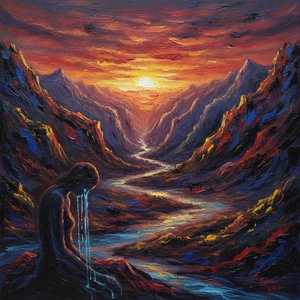
Capturing Emotion: A Journey Through the Soul of Expressionist Landscapes
Explore the profound emotional depth of Expressionist landscapes. Discover how Post-Impressionist masters moved beyond light to capture the soul through vibrant color and form. A curated journey for true art lovers seeking the beauty of expressive mastery.


