Ver en contexto
 Enviar
 Compartir
 Detalles
 Guía
Guía

 Descargar
 Similares
 Radiografía
 Presentación de diapositivas
 Q&A
Q&A Estadísticas
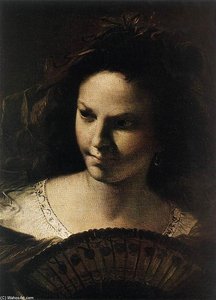
Wedding at Cana
 Acrílico sobre lienzo
- Arte de pared
- Baroque
 1655
1655 203.0 x 226.0 cm
 Galería Nacional
 Ver más
Giclée / Impresión de arte
Impresiones giclée o en lienzo de calidad de museo con producción rápida y opciones de acabado flexibles. ( Comprar pintura hecha a mano Cambiar a imagen digital)




P118B €10

P118H €10

P118W €10

P438Z €10

P508JH €12

P508YH €12

P805H €10

P805Z €10

P919BZ €10

P919G €10

P919XJ €10

P959ZH €10

P968JZ €12

W106C €8

W218G €10

W218JH €8

W218Y €10

W307PJ €10

W316G €10

W316PJ €8

W316Y €10

W398PJ €8

W4111J €10

W500HY €15

W500JH €15

W692G €12

W849H €8

W940BG €15

W953PJ €8




Elija entre nuestros tamaños predefinidos que respetan las proporciones originales de la obra.

Introduzca el ancho y el alto que necesite para adaptarse a su marco o pared. Una impresión solo puede recortarse, nunca hacerse más grande que la imagen original, por lo que un tamaño con una forma distinta perderá parte de la obra. Le enviaremos una maqueta digital para su aprobación antes de realizar cualquier impresión. La imagen que se muestra en esta página no refleja el recorte real; solo la maqueta lo hace.
Envío a todo el mundo () en 2 semanas en lugar de las 4/5 semanas estándar. (31 octubre)

Envío exprés gratuito a todo el mundo

Lienzo de lino de alta calidad

Seguro de envío total

Garantía de reembolso de aranceles aduaneros

Garantía de fidelidad cromática exacta

Política de devolución de 100 días (solo por defectos)

Garantía de devolución del 100% del dinero

Descuento por cantidad
 La opción de vidrio solo está disponible en tamaños inferiores a 110 cm.

Wedding at Cana
Giclée / Impresión de arte
Dimensiones de la reproducción
-


Precio total final
€ 71
Mattia Preti’s Wedding at Cana: A Testament to Divine Grace
The painting “Wedding at Cana” by Mattia Preti, completed in 1655-60, transcends mere depiction; it embodies the profound spiritual significance of Baroque art and serves as a poignant reminder of faith's transformative power. Executed during Preti’s prolific period in Malta—a nation deeply invested in Catholic piety—this monumental canvas captures a pivotal biblical narrative with breathtaking realism and masterful compositional artistry. The artwork resides within The National Gallery, London, offering visitors an unparalleled opportunity to experience the artist’s genius firsthand.A Dramatic Encounter Between Tradition and Revelation
Mattia Preti's artistic journey began under Giovanni Battista Caracciolo, immersing him in the influential Caravaggist style characterized by dramatic chiaroscuro—the masterful manipulation of light and shadow—a technique that would permeate his entire oeuvre. Before relocating to Rome in 1630, he honed his skills alongside fellow artists, absorbing the stylistic innovations championed by Caravaggio and Guercino, figures who fundamentally reshaped artistic expression during their time. This formative experience instilled within Preti an unwavering dedication to portraying human emotion with unflinching honesty and conveying spiritual truths through visual grandeur.Technical Brilliance: Baroque Composition and Color Palette
The painting’s execution showcases Preti's exceptional technical prowess. Employing oil on canvas, he meticulously rendered the scene with painstaking detail, capturing the textures of fabrics, faces, and foliage alike. The artist skillfully utilized a rich color palette—dominated by warm reds and golds—to illuminate the festive atmosphere and emphasize the central miracle. Furthermore, Preti’s masterful compositional arrangement guides the viewer's gaze towards the focal point: Jesus transforming water into wine, symbolizing divine grace overcoming earthly limitations. Careful attention to perspective contributes to the illusion of depth, immersing the spectator in the immediacy of the biblical event.Symbolism Rooted in Christian Theology
Beyond its aesthetic beauty, “Wedding at Cana” resonates with profound theological symbolism. The wedding feast itself represents the sacrament of marriage—a cornerstone of Christian faith—and symbolizes the divine blessing bestowed upon humankind. Jesus’ intervention underscores God's compassion and his willingness to intervene in human affairs to fulfill promises made millennia ago. The miracle serves as an allegory for overcoming adversity and achieving spiritual fulfillment, mirroring the broader narrative arc of salvation history. As interpreted by Bishop Fulton J. Sheen, Preti’s depiction captures a moment of grace—a foreshadowing of Christ's ultimate triumph over death—making it a timeless emblem of faith’s transformative potential.Emotional Resonance: Capturing Joyful Celebration and Divine Wonder
The painting’s emotional impact is undeniable. The artist skillfully conveys the palpable joy of the wedding guests, their expressions reflecting delight and amazement at the miraculous transformation unfolding before their eyes. Preti's portrayal captures not merely a visual spectacle but also the spiritual fervor associated with encountering God’s divine presence—a feeling that continues to inspire viewers centuries later. “Wedding at Cana” stands as an enduring testament to Baroque art’s ability to evoke profound emotion and illuminate the deepest truths of Christian belief.Preguntas y respuestas
¿Qué paleta de colores y qué emoción evocan "Wedding at Cana"?
La paleta Tonos tierra de "Wedding at Cana" de Mattia Preti armoniza con su tono emocional Alegre. El color es una de las formas en que una obra transmite sentimiento.
¿Se puede descargar la imagen de "Wedding at Cana"?
Puede descargar "Wedding at Cana" de Mattia Preti desde la página de Descargar imagen digital de la obra, como descarga de una imagen digital en alta resolución.
¿Cuándo se creó "Wedding at Cana" y a qué movimiento pertenece?
"Wedding at Cana" fue realizada en 1655, dentro del movimiento Baroque.
Biografía del artista
Mattia Preti: Un Destacado Pintor del Barroco Italiano
- Nacido: Taverna, Italia (24 de febrero de 1613)
- Fallecido: 1699
Primeros Años y Formación
Mattia Preti nació en Taverna, Calabria, Italia, el 24 de febrero de 1613. Su formación artística temprana comenzó con Giovanni Battista Caracciolo, un pintor asociado al movimiento caravaggista. Esta exposición inicial moldeó significativamente su estilo, evidente en muchas de sus obras. Antes de 1630, Preti se unió a su hermano Gregorio Preti en Roma, donde se sumergió en las técnicas de Caravaggio y otros artistas destacados de la época. Este período fue crucial para desarrollar su comprensión del uso dramático de la luz y las representaciones realistas.
Desarrollos Artísticos Clave e Influencias
El viaje artístico de Preti involucró una compleja interacción de influencias. Aunque arraigado en el caravaggismo, también absorbió elementos de varios maestros, incluyendo a Guercino, Rubens, Guido Reni y Giovanni Lanfranco. Su tiempo en Nápoles lo expuso al trabajo de Luca Giordano, refinando aún más su estilo. Un cambio notable ocurrió cuando Preti se alejó de la imitación estricta del caravaggismo, desarrollando un estilo barroco más dinámico y expresivo caracterizado por:
- Contrastes Dramáticos de Luz y Sombra: Una característica heredada de Caravaggio, utilizada para crear intenso drama y resaltar figuras clave.
- Intensa Expresión Emocional: Las obras de Preti a menudo transmiten emociones poderosas a través de expresiones faciales y lenguaje corporal.
- Composiciones Dinámicas: Sus pinturas presentan un movimiento enérgico y arreglos complejos de figuras.
Obras Principales y Comisiones
La carrera de Preti se caracterizó por numerosas comisiones significativas a través de Italia y Malta. Algunas obras notables incluyen:
- Ciclos de Frescos en Roma: Creó ciclos de frescos para iglesias como Sant’Andrea della Valle y San Carlo ai Catinari, demostrando su habilidad en la pintura decorativa a gran escala.
- Frescos en San Biagio, Modena: Su trabajo en la iglesia de San Biagio mostró su capacidad para adaptar su estilo a diferentes entornos.
- Frescos de la Peste de Nápoles: Una serie de grandes frescos que representan a la Virgen o a los santos liberando a la gente de la peste fueron pintados en siete puertas de la ciudad de Nápoles. Aunque ahora perdidos, quedan bocetos como testimonio de su escala e impacto.
- Catedral de San Juan, Valleta (Malta): Quizás su logro más significativo fue transformar el interior de la Catedral de San Juan con una vasta serie de pinturas que representan la vida y el martirio de San Juan Bautista. Este proyecto consolidó su reputación y aseguró numerosas comisiones en toda Europa.
Legado y Significado Histórico
La creciente reputación de Mattia Preti, impulsada por su trabajo en Malta, condujo a un círculo más amplio de patrocinadores y encargos de toda Europa. Es recordado como una figura destacada en el arte barroco italiano, conocido por sus composiciones dramáticas, su hábil uso de la luz y la sombra, y su capacidad para transmitir emociones intensas. Su legado continúa siendo apreciado a través de la preservación de sus obras en museos como el Museo de Capodimonte en Nápoles y a través de reproducciones disponibles en OriginalUniqueArt.com. Su contribución a la decoración de la Catedral de San Juan sigue siendo un testimonio de su talento artístico e impacto duradero en el arte barroco.
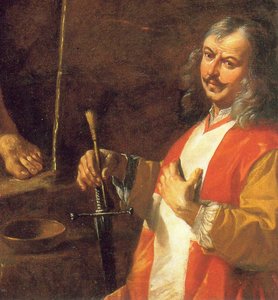
Mattia Preti
1613 - 1699 , Italia
Datos clave
- Artistas Influenciados Por Este Artista: ['Francesco Stringa']
- Artistas Que Influyeron:
- Giovanni Battista Caracciolo
- Caravaggio
- Luca Giordano
- Fecha De Muerte: 1699
- Fecha De Nacimiento: 24 de febrero de 1613
- Lugar De Nacimiento: Taverna, Italia
- Movimiento Artístico: Barroco
- Nacionalidad: Italiana
- Nombre Completo: Mattia Preti
- Obras Notables:
- Dinero de tributo
- El banquete de Absalón
- El concierto
- Martirio de San Erasmo
- Fiesta de Herodes
Artículos relacionados
¿Recuerdos de Boda que no Aburren: Eleva tu Decoración con Arte Personalizado?
Eleva tu boda con arte personalizado. Descubre inspiración, tendencias y consejos expertos para una decoración nupcial inolvidable. te ayuda a crear recuerdos únicos.

¿Convierte Su Foto Favorita en Arte Atemporal? Guía Paso a Paso para un Recuerdo Único
Transforma tus fotos en obras de arte atemporales con expertos. Guía paso a paso para crear cuadros personalizados únicos y memorables. ¡Descubre el regalo perfecto!

Amor en Lienzo: 7 Estilos Románticos para tu Retrato de Boda Perfecto
Encuentra el retrato de boda perfecto que capture tu amor eterno. Explora estilos únicos y encarga una obra maestra personalizada con . ¡Regalos inolvidables!
Eterna tu Amor: Pinturas Personalizadas para Bodas Inolvidables y un Legado Artístico
Crea un recuerdo eterno con una pintura de boda personalizada. te ofrece artistas expertos y obras únicas para celebrar tu amor. ¡Regalos inolvidables!

The Dramatic Flourish: Exploring the Baroque Movement's Enduring Legacy in Art History
Explore the dramatic world of Baroque art! Discover iconic artists like Caravaggio & Rubens, defining techniques, and its lasting impact on art history. Expert insights for collectors & enthusiasts at OriginalUniqueArt.