

 Vista previa
 Compartir
 Compartir
 Ver detalles
 Guía
Guía

 Descargar
 Ver artículos similares
 Radiografía
 Presentación de diapositivas
 Estadísticas
St Sebastian


 Leer más
Reproducción al óleo hecha a mano
Óleo sobre lienzo pintado a mano en el tamaño y marco de su elección, realizado por encargo por nuestros artistas. ( Cambiar a formato impreso Ver versión en imagen digital)




P118B €10

P118H €10

P118W €10

P438Z €10

P508JH €12

P508YH €12

P805H €10

P805Z €10

P919BZ €10

P919G €10

P919XJ €10

P959ZH €10

P968JZ €12

W106C €8

W218G €10

W218JH €8

W218Y €10

W307PJ €10

W316G €10

W316PJ €8

W316Y €10

W398PJ €8

W4111J €10

W500HY €15

W500JH €15

W692G €12

W849H €8

W940BG €15

W953PJ €8




Elija entre nuestros tamaños predefinidos que respetan las proporciones originales de la obra.

Escriba el ancho y el alto que necesite para adaptarse a su marco o a su pared. Al ser una obra pintada a mano, para un tamaño con una forma distinta, el artista puede pintar un poco más alrededor de la imagen o recortar un poco; usted elige. Le enviaremos una maqueta digital para su aprobación antes de comenzar la pintura. La imagen que se muestra en esta página no refleja el resultado real; solo la maqueta lo hace.
Tras realizar el pedido, el equipo de OriginalUniqueArt.com enviará un correo electrónico al cliente para solicitar instrucciones y proporcionarle una vista previa del boceto.
Envío a todo el mundo () en 3-4 semanas en lugar de las 5 semanas estándar. (23 octubre). Sin comprometer la calidad.

Envío exprés gratuito a todo el mundo

Lienzo de lino de alta calidad

Seguro de envío completo

Garantía de reembolso de impuestos aduaneros

Garantía de fidelidad cromática exacta

Política de devolución de 100 días (solo por defectos)

Garantía de devolución del 100% del dinero

Oferta por volumen
 La opción de vidrio solo está disponible en tamaños inferiores a 110 cm.

St Sebastian
Técnica de reproducción
Tamaño de la reproducción
-


Precio total
€ 264
A Study in Suffering: Mattia Preti’s St Sebastian
Mattia Preti's "St Sebastian" (c. 1660) is not merely a depiction of a biblical martyr; it’s a profoundly moving exploration of human suffering and faith, rendered with the dramatic intensity characteristic of the Calabrian Knight himself. This painting, showcasing St. Sebastian’s agonizing martyrdom – his imprisonment and self-flagellation after being shot with arrows – immediately draws the viewer into a world of palpable anguish. Preti, deeply influenced by Caravaggio's masterful use of *chiaroscuro*, employs this technique to devastating effect, sculpting the figure’s muscular form from pools of deep shadow while simultaneously illuminating his exposed flesh and contorted expression. The ropes and chains binding him to the post are not simply restraints; they become extensions of his torment, emphasizing his vulnerability against a backdrop of brutal reality.
Baroque Drama and Calabrian Roots
Born in Taverna, Calabria, in 1613, Mattia Preti’s artistic development was inextricably linked to the vibrant Baroque movement sweeping through Italy. His early training under Giovanni Battista Caracciolo provided a crucial foundation, introducing him to the Caravaggist style – a commitment to realism, dramatic lighting, and emotionally charged narratives. This influence is powerfully evident in “St Sebastian,” where Preti doesn’t shy away from depicting the raw physicality of suffering. The subdued color palette—earth tones dominate—contributes significantly to the painting's somber mood, amplifying the sense of despair and isolation. Preti’s time spent in Rome further solidified his artistic vision, allowing him to absorb the lessons of Caravaggio and Guercino before ultimately establishing himself as a leading figure in Malta, where he would spend much of his career.
Symbolism of Pain and Redemption
The iconography surrounding St. Sebastian is rich with symbolic meaning. He was martyred for refusing to worship pagan gods, representing unwavering faith against worldly temptations. The arrows piercing his body are a potent symbol of suffering and sacrifice, while the ropes and chains represent earthly bonds that cannot contain the spirit. Preti’s skillful rendering of these elements elevates the painting beyond a simple historical narrative; it becomes a meditation on human endurance and the promise of redemption. The figure's raised arms, though clearly in agony, also suggest a plea for divine intervention – a desperate reaching out to a higher power amidst unimaginable pain.
Technical Mastery and Emotional Resonance
“St Sebastian” exemplifies Preti’s technical brilliance and his ability to translate complex emotions onto canvas. The meticulous detail of the figure's anatomy, combined with the dramatic use of light and shadow, creates an incredibly realistic and emotionally resonant image. The artist’s attention to texture – from the rough grain of the wood to the tautness of Sebastian’s muscles – adds another layer of depth and intensity. This painting is a testament to Preti's mastery of Baroque technique, resulting in a work that continues to captivate viewers with its raw emotion and enduring power. It remains a cornerstone of his oeuvre, showcasing his profound understanding of human suffering and his ability to evoke powerful responses through masterful artistic execution.
Preguntas y respuestas
¿Qué tan luminosa es "St Sebastian" en su conjunto?
La luminosidad percibida de "St Sebastian" de Mattia Preti es deep_shadow. Puede armonizarse con la luz del espacio destinado.
¿Qué lugar ocupa "St Sebastian" entre los temas recurrentes de Mattia Preti?
Entre los temas recurrentes de Mattia Preti —caravaggist influence, religious fervor, calabrian baroque, malta focus, martyrdom, suffering, redemption themes, preti’s signature dramatic style— "St Sebastian" aporta su propio enfoque sobre st sebastian, martyrdom, religious art, baroque painting, mattia preti, chiaroscuro, suffering figure.
¿Es "St Sebastian" una obra famosa del Baroque Italian Painting?
"St Sebastian" figura con un nivel de Recognized entre las obras del Baroque Italian Painting en el catálogo.
Biografía del artista
Mattia Preti: Un Destacado Pintor del Barroco Italiano
- Nacido: Taverna, Italia (24 de febrero de 1613)
- Fallecido: 1699
Primeros Años y Formación
Mattia Preti nació en Taverna, Calabria, Italia, el 24 de febrero de 1613. Su formación artística temprana comenzó con Giovanni Battista Caracciolo, un pintor asociado al movimiento caravaggista. Esta exposición inicial moldeó significativamente su estilo, evidente en muchas de sus obras. Antes de 1630, Preti se unió a su hermano Gregorio Preti en Roma, donde se sumergió en las técnicas de Caravaggio y otros artistas destacados de la época. Este período fue crucial para desarrollar su comprensión del uso dramático de la luz y las representaciones realistas.
Desarrollos Artísticos Clave e Influencias
El viaje artístico de Preti involucró una compleja interacción de influencias. Aunque arraigado en el caravaggismo, también absorbió elementos de varios maestros, incluyendo a Guercino, Rubens, Guido Reni y Giovanni Lanfranco. Su tiempo en Nápoles lo expuso al trabajo de Luca Giordano, refinando aún más su estilo. Un cambio notable ocurrió cuando Preti se alejó de la imitación estricta del caravaggismo, desarrollando un estilo barroco más dinámico y expresivo caracterizado por:
- Contrastes Dramáticos de Luz y Sombra: Una característica heredada de Caravaggio, utilizada para crear intenso drama y resaltar figuras clave.
- Intensa Expresión Emocional: Las obras de Preti a menudo transmiten emociones poderosas a través de expresiones faciales y lenguaje corporal.
- Composiciones Dinámicas: Sus pinturas presentan un movimiento enérgico y arreglos complejos de figuras.
Obras Principales y Comisiones
La carrera de Preti se caracterizó por numerosas comisiones significativas a través de Italia y Malta. Algunas obras notables incluyen:
- Ciclos de Frescos en Roma: Creó ciclos de frescos para iglesias como Sant’Andrea della Valle y San Carlo ai Catinari, demostrando su habilidad en la pintura decorativa a gran escala.
- Frescos en San Biagio, Modena: Su trabajo en la iglesia de San Biagio mostró su capacidad para adaptar su estilo a diferentes entornos.
- Frescos de la Peste de Nápoles: Una serie de grandes frescos que representan a la Virgen o a los santos liberando a la gente de la peste fueron pintados en siete puertas de la ciudad de Nápoles. Aunque ahora perdidos, quedan bocetos como testimonio de su escala e impacto.
- Catedral de San Juan, Valleta (Malta): Quizás su logro más significativo fue transformar el interior de la Catedral de San Juan con una vasta serie de pinturas que representan la vida y el martirio de San Juan Bautista. Este proyecto consolidó su reputación y aseguró numerosas comisiones en toda Europa.
Legado y Significado Histórico
La creciente reputación de Mattia Preti, impulsada por su trabajo en Malta, condujo a un círculo más amplio de patrocinadores y encargos de toda Europa. Es recordado como una figura destacada en el arte barroco italiano, conocido por sus composiciones dramáticas, su hábil uso de la luz y la sombra, y su capacidad para transmitir emociones intensas. Su legado continúa siendo apreciado a través de la preservación de sus obras en museos como el Museo de Capodimonte en Nápoles y a través de reproducciones disponibles en OriginalUniqueArt.com. Su contribución a la decoración de la Catedral de San Juan sigue siendo un testimonio de su talento artístico e impacto duradero en el arte barroco.
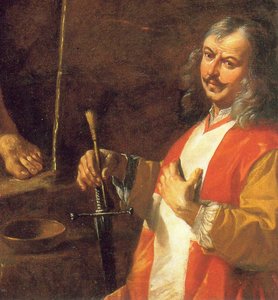
Mattia Preti
1613 - 1699 , Italia
Datos clave
- Artistas Influenciados Por Este Artista: ['Francesco Stringa']
- Artistas Que Influyeron:
- Giovanni Battista Caracciolo
- Caravaggio
- Luca Giordano
- Fecha De Muerte: 1699
- Fecha De Nacimiento: 24 de febrero de 1613
- Lugar De Nacimiento: Taverna, Italia
- Movimiento Artístico: Barroco
- Nacionalidad: Italiana
- Nombre Completo: Mattia Preti
- Obras Notables:
- Dinero de tributo
- El banquete de Absalón
- El concierto
- Martirio de San Erasmo
- Fiesta de Herodes
Artículos relacionados

El Greco: Las 25 Obras Maestras que Definen un Genio del Arte y la Fe
Descubre las 25 obras maestras de El Greco, el genio del Renacimiento español. Explora su arte religioso, manierismo y la historia detrás de cuadros icónicos como 'El Entierro del Conde de Orgaz'. Encuentra reproducciones de alta calidad en OriginalUniqueArt.com.

Theatricality & Triumph: Baroque Drama in Painting & Sculpture
Explore the dramatic world of Baroque art! Discover its history, defining characteristics, & lasting influence on painting & sculpture. Expert insights into Caravaggio, Zurbarán, and Bernini – plus high-quality reproductions at OriginalUniqueArt.

The Dramatic Flourish: Exploring the Baroque Movement's Enduring Legacy in Art History
Explore the dramatic world of Baroque art! Discover iconic artists like Caravaggio & Rubens, defining techniques, and its lasting impact on art history. Expert insights for collectors & enthusiasts at OriginalUniqueArt.
The Dramatic Flourish: Exploring Themes of Power, Faith & Emotion in Baroque Artworks
Explore the dramatic world of Baroque art! Discover masters like Zurbarán & the powerful influence of religious zeal on painting techniques. Expert insights for collectors and enthusiasts.

Drama Barroca: Llevando la Grandeza y la Emoción a los Interiores Contemporáneos
Descubre cómo el drama y la grandeza del arte barroco pueden transformar tus interiores. Guía experta, inspiración y reproducciones de alta calidad en .


