Ver en contexto
 Enviar
 Compartir
 Detalles
 Guía
Guía

 Descargar
 Similares
 Radiografía
 Presentación de diapositivas
 Estadísticas
El Ángel Alado
 Acrílico sobre lienzo
- Arte de pared
- Mattia Preti
 1630
1630 162.0 x 217.0 cm
 Kunstpalast
 Ver más
Giclée / Impresión de arte
Impresiones giclée o en lienzo de calidad de museo con producción rápida y opciones de acabado flexibles. ( Comprar pintura hecha a mano Cambiar a imagen digital)




P118B €10

P118H €10

P118W €10

P438Z €10

P508JH €12

P508YH €12

P805H €10

P805Z €10

P919BZ €10

P919G €10

P919XJ €10

P959ZH €10

P968JZ €12

W106C €8

W218G €10

W218JH €8

W218Y €10

W307PJ €10

W316G €10

W316PJ €8

W316Y €10

W398PJ €8

W4111J €10

W500HY €15

W500JH €15

W692G €12

W849H €8

W940BG €15

W953PJ €8




Elija entre nuestros tamaños predefinidos que respetan las proporciones originales de la obra.

Introduzca el ancho y el alto que necesite para adaptarse a su marco o pared. Una impresión solo puede recortarse, nunca hacerse más grande que la imagen original, por lo que un tamaño con una forma distinta perderá parte de la obra. Le enviaremos una maqueta digital para su aprobación antes de realizar cualquier impresión. La imagen que se muestra en esta página no refleja el recorte real; solo la maqueta lo hace.
Envío a todo el mundo () en 2 semanas en lugar de las 4/5 semanas estándar. (27 octubre)

Envío exprés gratuito a todo el mundo

Lienzo de lino de alta calidad

Seguro de envío total

Garantía de reembolso de aranceles aduaneros

Garantía de fidelidad cromática exacta

Política de devolución de 100 días (solo por defectos)

Garantía de devolución del 100% del dinero

Descuento por cantidad
 La opción de vidrio solo está disponible en tamaños inferiores a 110 cm.

El Ángel Alado
Giclée / Impresión de arte
Dimensiones de la reproducción
-


Precio total final
€ 70
A Moment of Herculean Resolve: Mattia Preti’s “Flying Angel”
Mattia Preti's "Flying Angel," painted in 1630, is more than just a depiction of physical labor; it’s a potent distillation of Baroque drama and the human spirit’s capacity for endurance. This arresting canvas, currently housed within the Kunstpalast museum in Düsseldorf, immediately commands attention with its dynamic composition and masterful use of chiaroscuro – the dramatic interplay of light and shadow that was Preti's signature style. The scene unfolds outdoors, bathed in a golden, almost theatrical light, highlighting the straining figure of a man undertaking an immense task: lifting a heavy stone from the ground. The sheer physicality of the exertion is palpable; every muscle flexes, every vein throbs with effort, rendered with astonishing realism by Preti’s skilled hand.
Preti, known as “Il Cavalier Calabrese,” was a pivotal figure in 17th-century Italian Baroque painting. Born in Taverna, Calabria, he carried the influence of Giovanni Battista Caracciolo, a key proponent of Caravaggio's dramatic style, shaping his early artistic development. This foundation is evident in the painting’s stark contrasts and intense emotionality. The man lifting the stone isn’t merely working; he’s battling against gravity itself, embodying a struggle that resonates deeply within the viewer.
The Anatomy of Effort: Technique and Composition
Examining the technical details reveals Preti's meticulous approach. He masterfully employs *sfumato*, subtly blurring edges to create an illusion of depth and volume, particularly in the depiction of the stone and the man’s straining body. The musculature is rendered with anatomical precision, yet retains a sense of dynamism – it’s not simply a study of anatomy but a celebration of strength. The composition itself is carefully constructed; the diagonal thrust of the lifting arm creates a powerful visual rhythm, drawing the eye towards the central figure and reinforcing the feeling of movement. The two figures in the background—one on the left, another further back on the right—add context without distracting from the primary action, suggesting a collaborative effort or perhaps the silent support of onlookers.
The color palette is rich and vibrant, dominated by earthy tones – ochre, browns, and reds – punctuated by flashes of light. These colors not only contribute to the painting’s dramatic effect but also evoke the heat of the sun and the dust kicked up by the exertion. The use of red, particularly in the man's clothing and the stone itself, adds a layer of symbolic intensity, representing both passion and sacrifice.
Symbolism and Context: A Knight’s Duty
The subject matter itself carries significant weight within the context of Preti’s life. Appointed a Knight of the Order of Saint John in 1660, he brought with him the traditions and values of that esteemed military order. The act of lifting the stone can be interpreted as a metaphor for overcoming obstacles, fulfilling one's duty, and enduring hardship – themes central to the Knights’ ethos. The painting was likely commissioned as an *ex voto*, a votive offering intended to express gratitude for deliverance from adversity, perhaps after surviving a plague outbreak.
Further research reveals that Preti spent much of his career in Malta, transforming the interior of St. John's Co-Cathedral with monumental frescoes depicting scenes from the life and martyrdom of Saint John the Baptist. This experience undoubtedly influenced his artistic sensibilities, contributing to the dramatic intensity and religious fervor evident in “Flying Angel.” The painting’s journey through various collections – from Naples to Düsseldorf – underscores its enduring appeal and historical significance.
A Timeless Image: Reproduction and Interior Design
"Flying Angel" is a powerful testament to Preti's artistic genius, capturing not just a moment of physical exertion but also the profound depths of human resilience. OriginalUniqueArt offers meticulously crafted hand-painted reproductions that faithfully recreate the painting’s original beauty and emotional impact. These high-quality reproductions are ideal for adorning walls in homes, offices, or galleries, bringing a touch of Baroque drama and timeless inspiration to any space. Consider framing options to further enhance the artwork's visual presence – a classic wooden frame would complement the painting's traditional style, while a more contemporary metal frame could offer a striking contrast.
Whether you’re an art enthusiast, a collector seeking a significant addition to your collection, or simply someone looking for a captivating piece of art to elevate your surroundings, OriginalUniqueArt’s “Flying Angel” reproduction provides a remarkable opportunity to experience the enduring legacy of Mattia Preti.
Preguntas y respuestas
¿Dónde puedo comprar una imagen digital de "El Ángel Alado" de Mattia Preti?
Puede adquirir una imagen digital de "El Ángel Alado" de Mattia Preti en su página de Imagen digital de alta resolución: descarga de una imagen digital en alta resolución.
¿Quién creó "El Ángel Alado" y en qué año?
Mattia Preti creó "El Ángel Alado" en 1630.
¿Qué emoción transmite la obra de Mattia Preti "El Ángel Alado"?
La emoción Poderoso de "El Ángel Alado" acompaña a su estilo Mattia Preti.
Biografía del artista
Mattia Preti: Un Destacado Pintor del Barroco Italiano
- Nacido: Taverna, Italia (24 de febrero de 1613)
- Fallecido: 1699
Primeros Años y Formación
Mattia Preti nació en Taverna, Calabria, Italia, el 24 de febrero de 1613. Su formación artística temprana comenzó con Giovanni Battista Caracciolo, un pintor asociado al movimiento caravaggista. Esta exposición inicial moldeó significativamente su estilo, evidente en muchas de sus obras. Antes de 1630, Preti se unió a su hermano Gregorio Preti en Roma, donde se sumergió en las técnicas de Caravaggio y otros artistas destacados de la época. Este período fue crucial para desarrollar su comprensión del uso dramático de la luz y las representaciones realistas.
Desarrollos Artísticos Clave e Influencias
El viaje artístico de Preti involucró una compleja interacción de influencias. Aunque arraigado en el caravaggismo, también absorbió elementos de varios maestros, incluyendo a Guercino, Rubens, Guido Reni y Giovanni Lanfranco. Su tiempo en Nápoles lo expuso al trabajo de Luca Giordano, refinando aún más su estilo. Un cambio notable ocurrió cuando Preti se alejó de la imitación estricta del caravaggismo, desarrollando un estilo barroco más dinámico y expresivo caracterizado por:
- Contrastes Dramáticos de Luz y Sombra: Una característica heredada de Caravaggio, utilizada para crear intenso drama y resaltar figuras clave.
- Intensa Expresión Emocional: Las obras de Preti a menudo transmiten emociones poderosas a través de expresiones faciales y lenguaje corporal.
- Composiciones Dinámicas: Sus pinturas presentan un movimiento enérgico y arreglos complejos de figuras.
Obras Principales y Comisiones
La carrera de Preti se caracterizó por numerosas comisiones significativas a través de Italia y Malta. Algunas obras notables incluyen:
- Ciclos de Frescos en Roma: Creó ciclos de frescos para iglesias como Sant’Andrea della Valle y San Carlo ai Catinari, demostrando su habilidad en la pintura decorativa a gran escala.
- Frescos en San Biagio, Modena: Su trabajo en la iglesia de San Biagio mostró su capacidad para adaptar su estilo a diferentes entornos.
- Frescos de la Peste de Nápoles: Una serie de grandes frescos que representan a la Virgen o a los santos liberando a la gente de la peste fueron pintados en siete puertas de la ciudad de Nápoles. Aunque ahora perdidos, quedan bocetos como testimonio de su escala e impacto.
- Catedral de San Juan, Valleta (Malta): Quizás su logro más significativo fue transformar el interior de la Catedral de San Juan con una vasta serie de pinturas que representan la vida y el martirio de San Juan Bautista. Este proyecto consolidó su reputación y aseguró numerosas comisiones en toda Europa.
Legado y Significado Histórico
La creciente reputación de Mattia Preti, impulsada por su trabajo en Malta, condujo a un círculo más amplio de patrocinadores y encargos de toda Europa. Es recordado como una figura destacada en el arte barroco italiano, conocido por sus composiciones dramáticas, su hábil uso de la luz y la sombra, y su capacidad para transmitir emociones intensas. Su legado continúa siendo apreciado a través de la preservación de sus obras en museos como el Museo de Capodimonte en Nápoles y a través de reproducciones disponibles en OriginalUniqueArt.com. Su contribución a la decoración de la Catedral de San Juan sigue siendo un testimonio de su talento artístico e impacto duradero en el arte barroco.
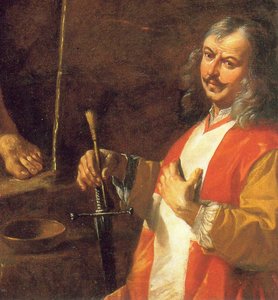
Mattia Preti
1613 - 1699 , Italia
Datos clave
- Artistas Influenciados Por Este Artista: ['Francesco Stringa']
- Artistas Que Influyeron:
- Giovanni Battista Caracciolo
- Caravaggio
- Luca Giordano
- Fecha De Muerte: 1699
- Fecha De Nacimiento: 24 de febrero de 1613
- Lugar De Nacimiento: Taverna, Italia
- Movimiento Artístico: Barroco
- Nacionalidad: Italiana
- Nombre Completo: Mattia Preti
- Obras Notables:
- Dinero de tributo
- El banquete de Absalón
- El concierto
- Martirio de San Erasmo
- Fiesta de Herodes
Artículos relacionados

Celestial Messengers: A Comprehensive Exploration of Angelic Representation in Art History
Explore the captivating history of angels in art! Discover symbolism, iconic Renaissance masterpieces & renowned artists. Expert insights for art lovers & collectors at OriginalUniqueArt.

Baroque Classicism: The Grandeur of Order and Drama in 17th-Century Art History
Explore the profound elegance of Baroque Classicism. Discover how 17th-century masters synthesized dramatic emotion with classical order through the lens of the Counter-Reformation and the works of legends like Carlo Maratta and Andrea Sacchi.

Celestial Messengers: Angels in Painting – A Historical & Artistic Exploration
Explore the captivating history of angels in painting! Discover symbolism, iconic Renaissance & Byzantine masterpieces, and renowned artists. Expert insights for art lovers & collectors at OriginalUniqueArt.

Drama and Light: A Definitive Guide to the Italian Baroque Masterpieces and the Revolution of Chiaroscuro
Explore the dramatic world of Italian Baroque art. Discover how masters like Caravaggio used chiaroscuro and tenebrism to revolutionize painting through light, shadow, and profound realism. A definitive guide for history lovers and art collectors.

El Esplendor del Barroco: La Maestría de la Luz, el Drama y la Emoción en el Arte del Siglo XVII
Descubre la maestría del claroscuro y el drama del Barroco con este análisis experto. Explora la historia y técnica del siglo XVII ahora.