

 Ver en contexto
 Enviar
 Compartir
 Detalles
 Guía
Guía

 Descargar
 Similares
 Radiografía
 Presentación de diapositivas
 Estadísticas
San Antonio Hermitaño
 Óleo sobre tabla
- Arte de pared
- Renacimiento alemán
 1515
1515- Renacimiento
 232.0 x 75.0 cm
 Museo de Unterlinden
 Ver más
Giclée / Impresión de arte
Impresiones giclée o en lienzo de calidad de museo con producción rápida y opciones de acabado flexibles. ( Comprar pintura hecha a mano Cambiar a imagen digital)




P118B €10

P118H €10

P118W €10

P438Z €10

P508JH €12

P508YH €12

P805H €10

P805Z €10

P919BZ €10

P919G €10

P919XJ €10

P959ZH €10

P968JZ €12

W106C €8

W218G €10

W218JH €8

W218Y €10

W307PJ €10

W316G €10

W316PJ €8

W316Y €10

W398PJ €8

W4111J €10

W500HY €15

W500JH €15

W692G €12

W849H €8

W940BG €15

W953PJ €8




Elija entre nuestros tamaños predefinidos que respetan las proporciones originales de la obra.

Introduzca el ancho y el alto que necesite para adaptarse a su marco o pared. Una impresión solo puede recortarse, nunca hacerse más grande que la imagen original, por lo que un tamaño con una forma distinta perderá parte de la obra. Le enviaremos una maqueta digital para su aprobación antes de realizar cualquier impresión. La imagen que se muestra en esta página no refleja el recorte real; solo la maqueta lo hace.
Envío a todo el mundo () en 2 semanas en lugar de las 4/5 semanas estándar. (25 octubre)

Envío exprés gratuito a todo el mundo

Lienzo de lino de alta calidad

Seguro de envío total

Garantía de reembolso de aranceles aduaneros

Garantía de fidelidad cromática exacta

Política de devolución de 100 días (solo por defectos)

Garantía de devolución del 100% del dinero

Descuento por cantidad
 La opción de vidrio solo está disponible en tamaños inferiores a 110 cm.

San Antonio Hermitaño
Giclée / Impresión de arte
Dimensiones de la reproducción
-


Precio total final
€ 70
A Vision of Solitude: The Spiritual Depth of St Antony the Hermit
In the quiet, shadowed corners of art history, few works command the soul with such profound stillness as Matthias Grünewald’s St Antony the Hermit. Completed in 1515, this monumental oil on panel serves as a breathtaking window into the late medieval spirit, captured at the very moment it began to merge with the burgeoning Renaissance aesthetic. The painting does not merely depict a saint; it invites the viewer into a sacred, meditative space. As one gazes upon the elderly figure of St Antony, there is an immediate sense of being transported to a time when art was a direct conduit for the divine. His long, flowing beard and alabaster skin are rendered with a meticulousness that transcends mere representation, offering instead a portrait of spiritual asceticism that feels both ancient and eternally present.
The composition is a masterclass in atmospheric storytelling. Grünewald places the saint within a darkened chamber, where rough stone walls enclose him in a cocoon of isolation. This setting is far from accidental; it symbolizes the hermit’s deliberate detachment from the cacophony of the worldly life in pursuit of a higher truth. The presence of a barred window suggests the confines of a cell or monastery, yet the spiritual expanse within the painting feels limitless. For the collector or the lover of fine art, this piece offers more than just visual beauty; it provides a focal point for contemplation, making it an extraordinary addition to any space dedicated to reflection and peace.
The Alchemy of Color and Light
Technically, Grünewald’s work is a triumph of texture and chiaroscuro. The artist employs a rich, somber palette—deep blacks, muted browns, and earthy tones—which allows the sudden, vibrant strike of crimson to resonate with startling intensity. St Antony’s red robe, draped over a dark tunic, acts as a visual heartbeat within the gloom, drawing the eye toward the saint's contemplative gesture. His right hand, resting gently upon his chest, is a silent testament to prayerful devotion and an unwavering faith that refuses to be extinguished by the surrounding shadows.
The interplay of light and shadow in this work creates a sculptural depth that is rare even among the masters of the Northern Renaissance. Every fold of the fabric and every line etched into the saint's weathered face tells a story of endurance. For interior designers seeking to infuse a room with character and gravitas, a high-quality reproduction of this masterpiece brings a sense of historical weight and dramatic elegance. The painting’s ability to balance heavy, textured realism with an ethereal, spiritual glow makes it a versatile yet commanding presence in sophisticated decor.
A Legacy of Devotion for the Modern Collector
To understand St Antony the Hermit is to understand the unique genius of Matthias Grünewald. Unlike his contemporary Albrecht Dürer, who embraced the classical humanism of Italy, Grünewald remained a poet of the Northern tradition, prioritizing emotional resonance and raw, spiritual truth over formal perfection. This dedication to the "inner life" ensures that his work remains perpetually relevant. In an era of constant digital distraction, the profound silence captured in this panel offers a much-needed sanctuary.
Owning or displaying a reproduction of this work is an act of preserving a piece of German Renaissance history. It is an opportunity to surround oneself with the textures of the past and the enduring power of faith. Whether placed in a private study, a quiet library, or a curated gallery space, St Antony the Hermit serves as a constant reminder of the beauty found in solitude and the strength found in stillness. It is not just a painting; it is an invitation to breathe, to reflect, and to find meaning in the shadows.
Preguntas y respuestas
¿A qué corriente artística pertenece "San Antonio Hermitaño" de Matthias Grünewald?
El movimiento asociado con "San Antonio Hermitaño" de Matthias Grünewald es Renacimiento alemán. Esta clasificación sitúa la obra entre artistas y obras relacionadas.
¿A qué periodo pertenece "San Antonio Hermitaño" de Matthias Grünewald?
"San Antonio Hermitaño" de Matthias Grünewald pertenece al periodo Renacimiento, una clasificación que sitúa la obra dentro de la historia del arte.
¿Quién creó "San Antonio Hermitaño" y en qué año?
Matthias Grünewald creó "San Antonio Hermitaño" en 1515.
Biografía del artista
Matías Gothart Neithardt (Grünewald): Vida y Legado
Primeros Años y Orígenes Artísticos
Matías Gothart Neithardt, nacido alrededor de 1470-1475 en Würzburgo, Alemania, fue una figura clave del Renacimiento alemán. A pesar de vivir durante un período cada vez más influenciado por los ideales del Renacimiento italiano, Grünewald se mantuvo profundamente arraigado en las tradiciones artísticas tardomedievales de Europa Central. Hay pocos detalles sobre su vida temprana, pero se sabe que recibió formación como artista, probablemente dentro de talleres locales.
Desarrollo Artístico e Influencias
El desarrollo artístico de Grünewald fue moldeado por las tradiciones artísticas del norte europeo predominantes, caracterizadas por el realismo, la intensidad emocional y la observación detallada. Su obra muestra influencias de artistas como Albrecht Dürer y Martin Schongauer, pero forjó un camino único que se caracteriza por una expresión dramática y colores vivos. No estuvo directamente involucrado con los círculos humanistas prevalecientes en Italia; en cambio, su arte sirvió principalmente para fines religiosos, reflejando las ansiedades espirituales de su tiempo.
Obras Maestras y Estilo Artístico
- El Retablo de Isenheim (1512-1516): Esta obra maestra, ubicada en el Musée d'Unterlinden en Colmar, se considera la obra magna de Grünewald. Representa escenas de la vida de Cristo con un realismo desgarrador, centrándose particularmente en el sufrimiento y la redención.
- La Crucifixión (c. 1502-1503): Una obra temprana que demuestra su estilo en desarrollo, mostrando una intensa emoción y detalle anatómico.
- Virgen de la Anunciación (1512-14): Un estudio para el Retablo de Isenheim, revelando su meticuloso proceso de planificación.
- Moisés (1511): Un dibujo que destaca la habilidad de Grünewald para capturar figuras expresivas y poses dramáticas.
El estilo de Grünewald se distingue por:
- Composición Dramática: Empleó arreglos dinámicos para aumentar el impacto emocional.
- Paleta de Colores Vívidos: Su uso de colores intensos, a menudo contrastantes, creó una poderosa experiencia visual.
- Representación Realista del Sufrimiento: Grünewald no evitó representar el dolor físico y emocional asociado con las narrativas religiosas.
- Figuras Expresivas: Sus figuras están imbuidas de fuertes emociones y profundidad psicológica.
Significado Histórico y Legado
La obra de Grünewald es un testimonio del poder perdurable de las tradiciones artísticas medievales en Alemania durante el Renacimiento. Él conectó los puntos entre el estilo gótico tardío y el Renacimiento emergente, creando un lenguaje visual único que resonó con sus contemporáneos. Su influencia se puede ver en artistas alemanes posteriores que continuaron explorando temas de fervor religioso e intensidad emocional. Si bien fue en gran medida olvidado durante siglos después de su muerte en 1528, Grünewald experimentó un renacimiento en el siglo XIX, y hoy es reconocido como uno de los pintores más importantes del Renacimiento alemán. Su arte continúa cautivando a los espectadores con su emoción cruda, brillantez técnica y profundidad espiritual profunda.
Exploración Adicional
Descubra más sobre la vida y obra de Matías Grünewald en: OriginalUniqueArt

Matthias Grünewald
1480 - 1528 , Alemania
Datos clave
- Artistic Movement Or Style: Renacimiento alemán
- Artists Or Movements Influenced By This Artist: ['Gótico tardío']
- Artists Who Influenced This Artist:
- Albrecht Dürer
- Martin Schongauer
- Date Of Death: 1528
- Full Name: Matías Gothart Neithardt
- Nationality: Alemania
- Notable Artworks:
- El Retablo de Isenheim
- La Crucifixión
- Virgen de la Anunciación
- Place Of Birth: Würzburgo, Alemania
Artículos relacionados

Las 10 Obras Maestras del Alto Medieval: Arte, Historia y Decoración Exclusiva
Descubre las 10 obras maestras del Alto Medieval. Explora la historia, el simbolismo y la belleza de la pintura románica y gótica. Reproducciones exclusivas en OriginalUniqueArt.com para decorar tu hogar con arte atemporal.

10 Obras Maestras Medievales que Definen el Arte (y tu Hogar)
Descubre 10 obras maestras del arte medieval, desde Duccio a Van Eyck. Explora la historia, simbolismo y belleza de Giotto, Simone Martini y más. Encuentra reproducciones de alta calidad para decorar tu hogar en OriginalUniqueArt.com.
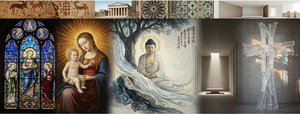
Illuminating Belief: A Visual Exploration of Faith Across Artistic Movements & Historical Contexts
Explore the rich history of faith through art! Discover Renaissance masterpieces, iconic artists & religious symbolism with expert analysis from OriginalUniqueArt. Perfect for collectors and enthusiasts.
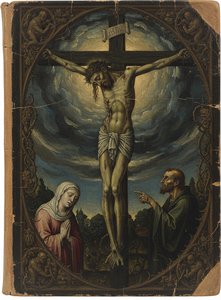
Matthias Grünewald: Devotion, Distortion & Spiritual Turmoil in Renaissance Art
Explore the profound religious art of Matthias Grünewald, master of the Isenheim Altarpiece. Discover his unique expressionism, symbolism & lasting impact on Renaissance painting. A guide for collectors and enthusiasts.

Divine Splendor: A Guide to the Sacred Beauty and Symbolic Depth of High Medieval Art
Embark on a scholarly journey through the sacred beauty of High Medieval art. Discover the profound symbolism, luminous iconography, and spiritual depth of Gothic masterpieces in this expert guide for classical art enthusiasts.


