
 Compartir
 Compartir
 Ver detalles
 Guía
Guía

 Descargar
 Ver artículos similares
 Presentación de diapositivas
 Estadísticas
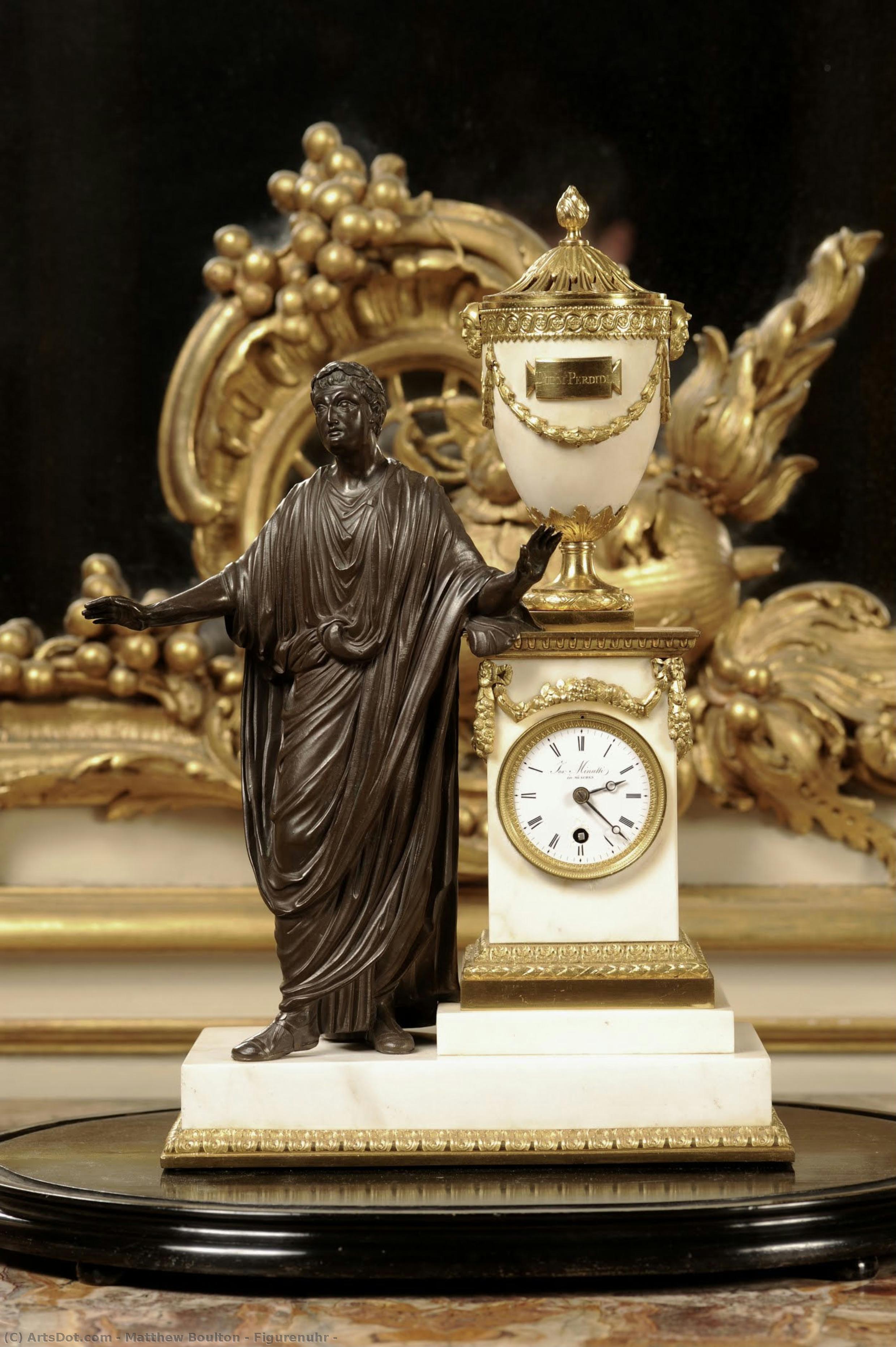
Figurenuhr
 Bronze
- Sculpture
- Romanticism
 1771
1771- Early Modern
 43.0 x 27.0 cm
 Palacio Sanssouci
 Leer más
Giclée / Impresión de arte
Impresiones giclée o en lienzo de calidad de museo con producción rápida y opciones de acabado flexibles. ( Encargar reproducción pintada a mano Ver versión en imagen digital)




































Elija entre nuestros tamaños predefinidos que respetan las proporciones originales de la obra.

Puede introducir sus propias dimensiones para adaptarse a un marco o espacio específico. Si el tamaño seleccionado no coincide con las proporciones de la imagen original, recortaremos la obra de arte o extenderemos la imagen con un borde con efecto espejo o de color sólido. Se enviará una maqueta digital para su aprobación antes de que comience la producción.
Tenga en cuenta que la vista previa en pantalla no refleja el recorte o la extensión real. Solo la maqueta mostrará con precisión la composición final.
Aunque existen tamaños personalizados, recomendamos seleccionar una dimensión de la lista predefinida para preservar las proporciones originales.
Envío a todo el mundo () en 2 semanas en lugar de las 4/5 semanas estándar. (25 septiembre)

Envío exprés gratuito a todo el mundo

Lienzo de lino de alta calidad

Seguro de envío completo

Garantía de reembolso de impuestos aduaneros

Garantía de fidelidad cromática exacta

Política de devolución de 100 días (solo por defectos)

Garantía de devolución del 100% del dinero

Oferta por volumen
 La opción de vidrio solo está disponible en tamaños inferiores a 110 cm.

Figurenuhr
Giclée / Impresión de arte
Tamaño de la reproducción
-


Precio total
$ 80
A Symphony of Bronze and Time
In the quiet intersection where industrial ingenuity meets the sublime grace of antiquity, there exists the Figurenuhr “Titus.” Crafted around 1771, this extraordinary timepiece is far more than a mere instrument for measuring hours; it is a profound dialogue between the precision of the Enlightenment and the enduring grandeur of the Roman Empire. Born from the collaborative genius of Matthew Boulton, the visionary master of the Soho Manufactory, and the meticulous clockmaker Joseph Minutti, this piece stands as a breathtaking testament to an era that sought to harmonize scientific progress with classical beauty. To behold it is to witness a moment in history when the gears of modern technology were first being polished by the hands of classical idealism.
The sculpture itself commands attention through its masterful use of contrast and texture. At its heart, the figure of Titus Flavius Vespasianus—the Roman Emperor who navigated the complexities of the first century AD—is positioned with a regal, commanding presence atop a vase sculpted from pristine Carrara marble. This marriage of materials creates a sensory experience: the cool, smooth weight of the white marble serves as a pedestal for the luminous, gilded bronze work. Boulton’s Soho Manufactory utilized advanced bronze casting techniques, layered with meticulous enamel painting and gilding, to produce a surface that seems to glow from within. The intricate floral motifs adorning the vase are not merely decorative; they are delicate whispers of nature captured in permanent, shimmering metal.
Symbolism and the Spirit of an Era
Every element of the Figurenuhr “Titus” is steeped in the intellectual currents of the 18th century. During the reign of George III, the British elite looked toward the virtues of ancient Greece and Rome to find inspiration for a burgeoning global power. By depicting Titus, the clock invokes themes of imperial authority, stability, and virtue—values that were deeply resonant during the Enlightenment. The vase, blooming with intricate botanical details, acts as a symbol of fertility and the boundless abundance promised by scientific innovation. It is a piece that captures the optimism of an age where man believed that through reason and craftsmanship, the glories of the past could be resurrected and refined for the future.
For the discerning collector or the interior designer seeking to infuse a space with historical gravity, this work offers an unparalleled emotional impact. It brings with it an atmosphere of sophisticated intellectualism and timeless elegance. Whether placed as a centerpiece in a library filled with leather-bound volumes or as a focal point in a contemporary hall, a reproduction of this masterpiece serves as a bridge between worlds. It invites the viewer to pause, not just to check the time, but to contemplate the enduring legacy of human artistry and the beautiful tension between the fleeting second and the eternal monument.
Biografía del artista
Matthew Boulton: Un pionero del arte industrial
Vida temprana y antecedentes
- Nacido en Handsworth, West Midlands, Inglaterra, Matthew Boulton (1728-1809) provenía de una familia profundamente involucrada en la fabricación.
- Su padre era un exitoso metalúrgico, y Matthew recibió su educación temprana en la Soho Manufactory, sentando las bases para sus futuros emprendimientos.
- Esta crianza le inculcó tanto un entendimiento práctico de los procesos industriales como una apreciación por el arte artesanal.
El establecimiento de la Casa de Monedas Soho
- En 1788, Boulton estableció la Soho Mint, una empresa pionera que revolucionó la producción de monedas.
- Se asoció con James Watt, inventor de la máquina de vapor mejorada, para impulsar las máquinas utilizadas en la acuñación de monedas y medallas.
- Esta colaboración marcó un momento decisivo en la integración de la tecnología industrial en la creación artística.
Desarrollo artístico e innovación numismática
- Boulton no era un artista tradicional en el sentido de pintar o esculpir, pero poseía un ojo excepcional para el diseño y los detalles.
- Su enfoque principal era la numismática – el estudio y la colección de monedas y medallas.
- Elevó la fabricación de medallas a una forma de arte fino a través de diseños innovadores y ejecución meticulosa.
- El uso de la energía de vapor permitió una mayor precisión, consistencia y complejidad artística en su trabajo.
Obras notables y encargos
- Medalla de Seringapatam (1801-2): Encargada por la Compañía India Orientales para conmemorar la victoria británica sobre Tipu Sultan en Seringapatam. Una medalla altamente detallada e históricamente significativa.
- Medalla de la Batalla de Trafalgar (1805): Boulton financió personalmente la producción de esta medalla, celebrando el triunfo del Almirante Nelson. Es un ejemplo de su espíritu patriótico y compromiso artístico.
- También produjo monedas para la Compañía India Orientales e instituciones diversas, mostrando una amplia gama de diseños.
- Otras obras incluyen varias medallas y fichas conmemorativas que reflejan eventos e individuos significativos de su tiempo.
Influencias y estilo artístico
- Boulton se inspiró en el arte clásico, particularmente en las tradiciones escultóricas de la antigua Grecia y Roma.
- Admiraba la precisión y los detalles que se encuentran en las antiguas monedas y medallas, esforzándose por emular estas cualidades en su propio trabajo.
- El estilo neoclásico predominante del final del siglo XVIII influyó fuertemente en sus diseños, enfatizando el orden, el equilibrio y la claridad.
Significado histórico y legado
- Las innovaciones de Matthew Boulton transformaron la producción de monedas, estableciendo nuevos estándares para la calidad y la seguridad.
- Su integración de la energía de vapor en el proceso artístico fue un logro importante en la historia industrial.
- La Soho Mint continuó operando después de su muerte (vendida en 1850), dejando un legado duradero en la moneda británica y la fabricación de medallas.
- El trabajo de Boulton demuestra la poderosa sinergia entre el arte, la industria y los avances tecnológicos. Sigue siendo una figura significativa tanto en la historia del arte como en la de la industria.

Matthew Boulton
Reino Unido
Datos clave
- Artistic Movement Or Style: Neoclássico
- Artists Who Influenced This Artist: ['James Watt']
- Date Of Birth: 3 septiembre 1728
- Full Name: Matthew Boulton
- Nationality: Británico
- Notable Artworks:
- Medalla de Seringapatam
- Medalla de Trafalgar
- Place Of Birth: Birmingham, Reino Unido
Artículos relacionados
The Enduring Legacy of Bronze: History, Technique & Artistic Expression for the Collector
Explore the rich history & enduring appeal of bronze sculpture with expert insights for collectors at OriginalUniqueArt. Learn about casting techniques, iconic artists, and collecting tips.

Esculturas de Bronce Legendarias: 10 Obras Maestras que Transformaron el Arte | OriginalUniqueArt
Descubre las 10 esculturas de bronce más legendarias que revolucionaron el arte. Explora la historia de Rodin, Degas y otros maestros del bronce. Encuentra reproducciones de alta calidad e inspiración para tu hogar en OriginalUniqueArt.com.

Las 10 Obras Maestras de Bronce que Revolucionaron la Historia del Arte | OriginalUniqueArt
Descubre las 10 esculturas de bronce más influyentes de la historia del arte. Explora obras maestras de Rodin, Degas y otros genios. Encuentra reproducciones de arte de calidad museo en OriginalUniqueArt.com.

The Enduring Legacy of Bronze: A Historical & Artistic Exploration for the Collector
Explore the rich history & enduring appeal of bronze sculpture with expert insights for collectors at OriginalUniqueArt. Learn about casting techniques, iconic artists, collecting tips & contemporary interpretations.
The Enduring Legacy of Bronze Sculpture: A Collector's Guide to Form & Cultural Significance
Explore the rich history & enduring appeal of bronze sculpture with expert insights for collectors at OriginalUniqueArt. Learn about casting techniques, iconic artists, and collecting tips to build a discerning art collection.

