Ver en contexto
 Enviar
 Compartir
 Detalles
 Guía
Guía

 Descargar
 Similares
 Radiografía
 Presentación de diapositivas
 Q&A
Q&A Estadísticas
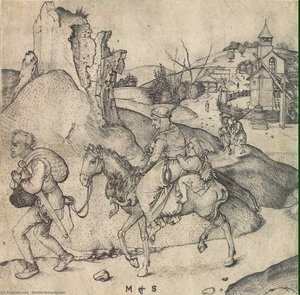
The Fourth Wise Virgin

- 122.0 x 84.0 cm


 Ver más
Giclée / Impresión de arte
Impresiones giclée o en lienzo de calidad de museo con producción rápida y opciones de acabado flexibles. ( Comprar pintura hecha a mano Cambiar a imagen digital)




P118B €10

P118H €10

P118W €10

P438Z €10

P508JH €12

P508YH €12

P805H €10

P805Z €10

P919BZ €10

P919G €10

P919XJ €10

P959ZH €10

P968JZ €12

W106C €8

W218G €10

W218JH €8

W218Y €10

W307PJ €10

W316G €10

W316PJ €8

W316Y €10

W398PJ €8

W4111J €10

W500HY €15

W500JH €15

W692G €12

W849H €8

W940BG €15

W953PJ €8




Elija entre nuestros tamaños predefinidos que respetan las proporciones originales de la obra.

Introduzca el ancho y el alto que necesite para adaptarse a su marco o pared. Una impresión solo puede recortarse, nunca hacerse más grande que la imagen original, por lo que un tamaño con una forma distinta perderá parte de la obra. Le enviaremos una maqueta digital para su aprobación antes de realizar cualquier impresión. La imagen que se muestra en esta página no refleja el recorte real; solo la maqueta lo hace.
Envío a todo el mundo () en 2 semanas en lugar de las 4/5 semanas estándar. (2 noviembre)

Envío exprés gratuito a todo el mundo

Lienzo de lino de alta calidad

Seguro de envío total

Garantía de reembolso de aranceles aduaneros

Garantía de fidelidad cromática exacta

Política de devolución de 100 días (solo por defectos)

Garantía de devolución del 100% del dinero

Descuento por cantidad
 La opción de vidrio solo está disponible en tamaños inferiores a 110 cm.

The Fourth Wise Virgin
Giclée / Impresión de arte
Dimensiones de la reproducción
-


Precio total final
€ 71
The Fourth Wise Virgin: A Glimpse into Northern Renaissance Mystery
Martin Schongauer’s “The Fourth Wise Virgin,” created around 1490, is more than just an engraving; it's a meticulously crafted window into the spiritual and artistic currents of late medieval Germany. This captivating image, housed within the National Gallery of Art in Washington D.C., draws upon both established iconography – referencing the biblical tale of the Wise Virgins – and Schongauer’s own distinctive style, blending meticulous detail with an almost haunting sense of introspection. The work immediately commands attention not through grand scale or overt drama, but through a profound quietude and a subtle layering of symbolism that invites prolonged contemplation.
Schongauer's artistic lineage is deeply rooted in the traditions of goldsmithing, a craft he likely learned from his father. This background profoundly shaped his approach to engraving – an art demanding unparalleled precision and control over line. The image’s remarkable clarity stems from Schongauer’s mastery of hatching and cross-hatching techniques, creating a sophisticated illusion of form and texture. He doesn't simply depict the figure; he sculpts her presence with carefully placed lines, imbuing the composition with an almost palpable sense of weight and volume. The use of negative space is equally crucial, drawing attention to the central subject while subtly suggesting the vastness of the surrounding world – a world both familiar and potentially perilous.
A Biblical Narrative Illuminated
The scene itself draws upon the well-known parable of the Wise and Foolish Virgins. Ten young women are preparing for the wedding of the king, each carrying a lamp filled with oil. The foolish ones neglect their duty, leaving their lamps unlit, and are subsequently barred from entering the celebration. The Fourth Virgin, depicted here in profile, embodies a serene yet subtly melancholic acceptance of her fate. Her posture is dignified, suggesting not despair but a quiet understanding of divine judgment. The candle she holds – a potent symbol of faith, enlightenment, and guidance – casts a gentle glow upon her face, illuminating her expression with an ethereal light.
Schongauer’s choice to focus on this particular virgin is intriguing. Unlike the more overtly dramatic depictions found in other prints from the series, Schongauer's rendering emphasizes introspection rather than external action. The background is deliberately sparse, devoid of elaborate details or distracting elements. This minimalist approach directs the viewer’s attention entirely onto the figure herself, amplifying her internal state and inviting us to contemplate the moral implications of the story. The composition subtly suggests a sense of isolation – a solitary figure contemplating a universal truth.
Technique and Historical Context
“The Fourth Wise Virgin” is a prime example of Northern Renaissance engraving, characterized by its meticulous detail, refined draftsmanship, and a deep engagement with both religious iconography and contemporary fashion. Schongauer’s work reflects the influence of Early Netherlandish painting, particularly the realism and attention to texture evident in the drapery and facial features. The print's creation coincided with a period of significant artistic innovation, as engravers began to explore new techniques for achieving greater tonal range and simulating the effects of paint. The use of a copper or iron plate, meticulously etched with lines using specialized tools like burins, is itself a testament to Schongauer’s technical skill.
Furthermore, the print's creation occurred during a time of intense religious fervor and social upheaval in Europe. The Reformation was gaining momentum, challenging traditional beliefs and practices. Schongauer’s work can be interpreted as a meditation on themes of faith, judgment, and redemption – timeless concerns that resonated deeply with audiences throughout the Renaissance.
A Timeless Symbol of Reflection
“The Fourth Wise Virgin” endures not merely as a beautiful engraving but as a poignant reflection on human nature. Schongauer’s masterful use of line, light, and shadow creates an image that is both visually arresting and emotionally resonant. It's a work that invites viewers to contemplate their own choices, their own faith, and their place within the larger narrative of life and death. The engraving’s quiet dignity and subtle symbolism continue to captivate audiences centuries after its creation, solidifying Schongauer’s legacy as one of the most important printmakers of the Northern Renaissance.
Preguntas y respuestas
¿Qué intensidad de color tiene "The Fourth Wise Virgin" de Martin Schongauer?
Los colores en "The Fourth Wise Virgin" de Martin Schongauer tienen una intensidad Monochromatic.
¿Es "The Fourth Wise Virgin" de Martin Schongauer una composición en formato vertical, horizontal o cuadrado?
"The Fourth Wise Virgin" de Martin Schongauer es una composición en Portrait. Se recomienda revisar las proporciones antes de elegir un tamaño de impresión.
¿Qué técnica se utilizó para "The Fourth Wise Virgin" de Martin Schongauer?
"The Fourth Wise Virgin" está realizada en Engraving.
Biografía del artista
Martin Schongauer: Vida y Legado
Primeros Años y Formación
Martin Schongauer, nacido alrededor de 1450 en Colmar, Alsacia (ahora Francia), fue una figura clave en el desarrollo de la grabado durante el Renacimiento del Norte. Provenía de una familia de artesanos; su padre, Caspar Schongauer, era joyero que se había trasladado a Colmar desde Augsburg, Alemania, alrededor de 1440. Este trasfondo familiar influyó significativamente en su formación artística temprana, ya que la orfebrería proporcionó una sólida base en el detalle preciso y las técnicas de metalurgia – habilidades directamente transferibles al grabado.
Educación y Desarrollo Artístico
En 1465, Schongauer asistió brevemente a la Universidad de Leipzig, pero pronto abandonó los estudios académicos para dedicarse por completo al arte. Inicialmente, se formó como pintor bajo Caspar Isenmann, un maestro local influenciado por la pintura nórdica temprana, particularmente el trabajo de Rogier van der Weyden. Esta exposición temprana a la realidad nórdica y la atención al detalle se convertirían en señas de identidad del propio estilo de Schongauer.
Estilo Artístico e Influencias
El estilo artístico de Schongauer se caracteriza por una estética gótica clara y organizada, combinada con las influencias emergentes del Renacimiento del Norte. No tuvo una influencia italiana directa, sino que se inspiró en tradiciones alemanas y nórdicas tempranas. Su obra demuestra un detalle meticuloso, figuras expresivas y una comprensión sofisticada de la composición.
- Características Clave: Grabado preciso, representaciones realistas, narrativas dramáticas, estructura gótica
- Influencias: Rogier van der Weyden, Caspar Isenmann, tradiciones góticas alemanas
Logros y Obras Principales
Schongauer es mejor conocido por sus 116 grabados, cada uno identificado con su monograma. Estas impresiones se difundieron ampliamente en toda Europa, impactando significativamente el desarrollo de las técnicas de grabado y los estilos artísticos. Sus grabados a menudo representaban escenas religiosas, retratos y temas alegóricos.
- Madonna de la Casita del Rosaleda (1473): Una obra significativa que muestra su habilidad para representar detalles delicados y profundidad emocional.
- Grabados: Incluyendo *La Tentación de San Antonio*, *La Adoración de los Pastores* y numerosos otros, demostrando su maestría en la técnica del grabado.
Significado Histórico y Legado
El impacto de Martin Schongauer en el mundo del arte fue sustancial. Fue uno de los primeros artistas alemanes en lograr reconocimiento internacional como grabador. Sus grabados eran muy solicitados y ampliamente copiados, difundiendo su estilo artístico por toda Europa. Incluso está documentado que Miguel Ángel mismo estudió y copió una de las grabaciones de Schongauer – *El Juicio de San Antonio* – demostrando el alto aprecio en que se tenía a Schongauer por parte de los maestros posteriores.
El trabajo de Schongauer conectó la brecha entre el arte gótico y el Renacimiento, allanando el camino para artistas como Albrecht Dürer. Su innovadora utilización de las técnicas de grabado y su compromiso con el detalle artístico dejaron un legado perdurable en la historia del grabado y el arte europeo del norte.
Fallecimiento
Martin Schongauer falleció en Breisach el 2 de febrero de 1491, dejando atrás una notable obra que continúa siendo celebrada por su mérito artístico e importancia histórica.

Martin Schongauer
1450 - 1491 , Alemania
Datos clave
- Artistic Movement Or Style: Gótico claro y organizado
- Artists Or Movements Influenced By This Artist: ['Albrecht Dürer']
- Artists Who Influenced This Artist:
- Rogier van der Weyden
- Caspar Isenmann
- Date Of Birth: c. 1450–53
- Full Name: Martin Schongauer
- Nationality: Alemana
- Notable Artworks:
- La Virgen del rosal
- Tentación de San Antonio
- Place Of Birth: Colmar, Alsacia
Artículos relacionados

Los 10 Grabados Legendarios que Transformaron la Historia del Arte | OriginalUniqueArt
Descubre los 10 grabados legendarios de Dürer, Rembrandt y Goya que revolucionaron el arte. Explora la historia, técnicas y belleza atemporal de estas obras maestras. Reproducciones de alta calidad en OriginalUniqueArt.com para decorar tu hogar con arte clásico.

Hendrick Goltzius: Master Engraver & the Flourishing of Dutch Mannerism
Explore the life & art of Hendrick Goltzius, a master engraver of Dutch Mannerism. Discover his innovative techniques, iconic engravings like 'Jahel', and lasting influence on Baroque art. Learn about collecting Goltzius today.

El Rigor de la Incisión: Maestría Técnica y Legado de la Tradición Calcográfica
Descubra la maestría técnica del grabado calcográfico y el legado de los grandes maestros. Explore la historia de la incisión en metal aquí.

El Intricado Mundo del Grabado: Técnica, Expresión y Legado Histórico
Descubre la fascinante historia del grabado calcográfico: técnicas ancestrales, maestros como Goya y su impacto en el arte y la ciencia. Guía experta para coleccionistas y amantes del arte.

Engraving: A Historical Survey of Technique, Artistic Expression & Enduring Legacy
Explore the rich history of engraving with OriginalUniqueArt. Discover techniques, iconic artists like Dürer & Callot, collecting tips, and expert guidance for preserving your art investment. Learn about intaglio printing & more!