Vista previa
 Compartir
 Compartir
 Ver detalles
 Guía
Guía

 Descargar
 Ver artículos similares
 Radiografía
 Presentación de diapositivas
 Estadísticas
Nativity
 Oil On Canvas
- WallArt
- Northern Renaissance
 1480
1480- Renaissance
 37.0 x 28.0 cm
 Staatliche Museen zu Berlin
 Leer más
Giclée / Impresión de arte
Impresiones giclée o en lienzo de calidad de museo con producción rápida y opciones de acabado flexibles. ( Encargar reproducción pintada a mano Ver versión en imagen digital)




P118B €10

P118H €10

P118W €10

P438Z €10

P508JH €12

P508YH €12

P805H €10

P805Z €10

P919BZ €10

P919G €10

P919XJ €10

P959ZH €10

P968JZ €12

W106C €8

W218G €10

W218JH €8

W218Y €10

W307PJ €10

W316G €10

W316PJ €8

W316Y €10

W398PJ €8

W4111J €10

W500HY €15

W500JH €15

W692G €12

W849H €8

W940BG €15

W953PJ €8




Elija entre nuestros tamaños predefinidos que respetan las proporciones originales de la obra.

Puede introducir sus propias dimensiones para adaptarse a un marco o espacio específico. Si el tamaño seleccionado no coincide con las proporciones de la imagen original, recortaremos la obra de arte o extenderemos la imagen con un borde con efecto espejo o de color sólido. Se enviará una maqueta digital para su aprobación antes de que comience la producción.
Tenga en cuenta que la vista previa en pantalla no refleja el recorte o la extensión real. Solo la maqueta mostrará con precisión la composición final.
Aunque existen tamaños personalizados, recomendamos seleccionar una dimensión de la lista predefinida para preservar las proporciones originales.
Envío a todo el mundo () en 2 semanas en lugar de las 4/5 semanas estándar. (12 octubre)

Envío exprés gratuito a todo el mundo

Lienzo de lino de alta calidad

Seguro de envío completo

Garantía de reembolso de impuestos aduaneros

Garantía de fidelidad cromática exacta

Política de devolución de 100 días (solo por defectos)

Garantía de devolución del 100% del dinero

Oferta por volumen
 La opción de vidrio solo está disponible en tamaños inferiores a 110 cm.

Nativity
Giclée / Impresión de arte
Tamaño de la reproducción
-


Precio total
€ 69
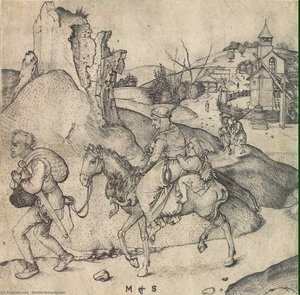
A Moment of Divine Grace: Martin Schongauer's Nativity
Martin Schongauer’s “Nativity,” painted around 1480, is more than just a depiction of the biblical story; it’s a profound meditation on faith, humility, and the quiet majesty of the divine. Executed in meticulous detail with the characteristic precision of Northern Renaissance art, this work offers a deeply moving glimpse into the heart of Christian belief. Measuring 37 x 28 cm, its intimate scale invites viewers to contemplate the scene with focused attention, drawing them into the sacred narrative.
- The Scene: The painting portrays the traditional Nativity – Mary kneeling in reverence before Joseph, who cradles the infant Jesus. The presence of animals—two cows and three horses—is not merely decorative; it’s laden with symbolic weight. Animals were often associated with Christ's humility and sacrifice, mirroring the creatures present at his crucifixion.
- Schongauer’s Technique: Schongauer was a master printmaker, and this painting reflects his extraordinary skill in engraving. His meticulous attention to detail is evident in every brushstroke, from the delicate folds of Mary’s robes to the textured fur of the animals. The use of oil paint allowed for subtle gradations of tone and color, creating a remarkable sense of realism and depth.
A Window into the Northern Renaissance
Schongauer's work stands as a pivotal example of the artistic currents flowing through the Northern Renaissance. Influenced by Early Netherlandish masters like Rogier van der Weyden, he embraced a style characterized by its realism, emotional intensity, and meticulous observation of nature. Unlike the idealized forms often found in Italian art of the period, Schongauer’s figures possess a tangible humanity – their expressions conveying a sense of vulnerability and devotion. The painting's composition reflects the influence of panel painting traditions prevalent at the time, emphasizing narrative clarity and symbolic resonance within a carefully structured space.
- Historical Context: Created around 1480, this “Nativity” emerged during a period of significant religious and intellectual ferment. The rise of humanism was challenging traditional dogma, while simultaneously fostering a renewed appreciation for classical learning and artistic achievement. Schongauer’s work embodies this tension – a devout expression of Christian faith rendered with the highest standards of technical skill.
- The Artist's Background: Born in Augsburg, Germany, Martin Schongauer inherited his father’s goldsmithing skills, which profoundly shaped his artistic approach. This training instilled in him an unparalleled ability to render intricate detail and texture, a hallmark of his work. His early apprenticeship with Caspar Isenmann further honed his technical abilities and exposed him to the prevailing artistic trends of the time.
Symbolism and Emotional Resonance
Beyond its technical brilliance, “Nativity” resonates deeply through its carefully considered symbolism. The arrangement of figures—Mary’s kneeling posture, Joseph’s protective embrace of Jesus—evokes a sense of reverence and guardianship. The animals, representing innocence and humility, underscore the central themes of the Nativity: the arrival of the Messiah as a humble servant. The painting's emotional impact is palpable – it invites viewers to contemplate the miracle of birth, the promise of salvation, and the profound love at the heart of the Christian faith. It’s a scene brimming with quiet dignity and spiritual significance.
A Timeless Masterpiece
This hand-painted reproduction captures the essence of Schongauer's masterpiece, offering an exceptional opportunity to bring this iconic work of art into your home or office. Its dimensions (37 x 28 cm) make it suitable for a variety of spaces, while its enduring beauty and profound symbolism ensure that it will remain a cherished addition to any collection. A testament to Schongauer’s genius, this reproduction allows you to experience the power and grace of this timeless depiction of the Nativity.
Preguntas y respuestas
¿Está disponible una descarga para "Nativity"?
Puede descargar "Nativity" de Martin Schongauer desde la página de Descargar de la obra, como descarga de una imagen digital en alta resolución.
¿Cuál es la técnica y las dimensiones de "Nativity" de Martin Schongauer?
La obra original "Nativity" de Martin Schongauer es una pieza de Oil On Canvas con unas dimensiones de 37 x 28 cm. La técnica y el tamaño describen la obra original.
¿Cuál es la atmósfera general de "Nativity" de Martin Schongauer?
"Nativity" de Martin Schongauer se describe con un sentimiento Calm. Esta clasificación puede ayudar a combinar la obra con un entorno.
¿En qué movimiento y en qué época se sitúa "Nativity" de Martin Schongauer?
En "Nativity" de Martin Schongauer, el movimiento Northern Renaissance se encuentra con la era Renacimiento.
¿Dónde puedo encontrar una guía de "Nativity"?
Una página de Guía está disponible para "Nativity" de Martin Schongauer: una ficha imprimible sobre la obra, diseñada para estudiantes y uso en el aula.
¿Quién es el artista detrás de "Nativity"?
"Nativity" fue creada por Martin Schongauer. La información en esta página describe la obra original de Martin Schongauer.
¿Qué tamaño de reproducción se sugiere para "Nativity" de Martin Schongauer?
Se sugiere una reproducción de Medium para "Nativity" de Martin Schongauer. El tamaño puede ajustarse manteniendo las proporciones.
¿Qué estado de ánimo y emoción se entrelazan en "Nativity"?
"Nativity" de Martin Schongauer transmite una sensación Spiritual dentro de un ambiente general Calm.
Biografía del artista
Martin Schongauer: Vida y Legado
Primeros Años y Formación
Martin Schongauer, nacido alrededor de 1450 en Colmar, Alsacia (ahora Francia), fue una figura clave en el desarrollo de la grabado durante el Renacimiento del Norte. Provenía de una familia de artesanos; su padre, Caspar Schongauer, era joyero que se había trasladado a Colmar desde Augsburg, Alemania, alrededor de 1440. Este trasfondo familiar influyó significativamente en su formación artística temprana, ya que la orfebrería proporcionó una sólida base en el detalle preciso y las técnicas de metalurgia – habilidades directamente transferibles al grabado.
Educación y Desarrollo Artístico
En 1465, Schongauer asistió brevemente a la Universidad de Leipzig, pero pronto abandonó los estudios académicos para dedicarse por completo al arte. Inicialmente, se formó como pintor bajo Caspar Isenmann, un maestro local influenciado por la pintura nórdica temprana, particularmente el trabajo de Rogier van der Weyden. Esta exposición temprana a la realidad nórdica y la atención al detalle se convertirían en señas de identidad del propio estilo de Schongauer.
Estilo Artístico e Influencias
El estilo artístico de Schongauer se caracteriza por una estética gótica clara y organizada, combinada con las influencias emergentes del Renacimiento del Norte. No tuvo una influencia italiana directa, sino que se inspiró en tradiciones alemanas y nórdicas tempranas. Su obra demuestra un detalle meticuloso, figuras expresivas y una comprensión sofisticada de la composición.
- Características Clave: Grabado preciso, representaciones realistas, narrativas dramáticas, estructura gótica
- Influencias: Rogier van der Weyden, Caspar Isenmann, tradiciones góticas alemanas
Logros y Obras Principales
Schongauer es mejor conocido por sus 116 grabados, cada uno identificado con su monograma. Estas impresiones se difundieron ampliamente en toda Europa, impactando significativamente el desarrollo de las técnicas de grabado y los estilos artísticos. Sus grabados a menudo representaban escenas religiosas, retratos y temas alegóricos.
- Madonna de la Casita del Rosaleda (1473): Una obra significativa que muestra su habilidad para representar detalles delicados y profundidad emocional.
- Grabados: Incluyendo *La Tentación de San Antonio*, *La Adoración de los Pastores* y numerosos otros, demostrando su maestría en la técnica del grabado.
Significado Histórico y Legado
El impacto de Martin Schongauer en el mundo del arte fue sustancial. Fue uno de los primeros artistas alemanes en lograr reconocimiento internacional como grabador. Sus grabados eran muy solicitados y ampliamente copiados, difundiendo su estilo artístico por toda Europa. Incluso está documentado que Miguel Ángel mismo estudió y copió una de las grabaciones de Schongauer – *El Juicio de San Antonio* – demostrando el alto aprecio en que se tenía a Schongauer por parte de los maestros posteriores.
El trabajo de Schongauer conectó la brecha entre el arte gótico y el Renacimiento, allanando el camino para artistas como Albrecht Dürer. Su innovadora utilización de las técnicas de grabado y su compromiso con el detalle artístico dejaron un legado perdurable en la historia del grabado y el arte europeo del norte.
Fallecimiento
Martin Schongauer falleció en Breisach el 2 de febrero de 1491, dejando atrás una notable obra que continúa siendo celebrada por su mérito artístico e importancia histórica.

Martin Schongauer
1450 - 1491 , Alemania
Datos clave
- Artistic Movement Or Style: Gótico claro y organizado
- Artists Or Movements Influenced By This Artist: ['Albrecht Dürer']
- Artists Who Influenced This Artist:
- Rogier van der Weyden
- Caspar Isenmann
- Date Of Birth: c. 1450–53
- Full Name: Martin Schongauer
- Nationality: Alemana
- Notable Artworks:
- La Virgen del rosal
- Tentación de San Antonio
- Place Of Birth: Colmar, Alsacia
Artículos relacionados
Las 10 Obras Maestras del Alto Medieval: Arte, Historia y Decoración Exclusiva
Descubre las 10 obras maestras del Alto Medieval. Explora la historia, el simbolismo y la belleza de la pintura románica y gótica. Reproducciones exclusivas en OriginalUniqueArt.com para decorar tu hogar con arte atemporal.

El Intricado Mundo del Grabado: Técnica, Expresión y Legado Histórico
Descubre la fascinante historia del grabado calcográfico: técnicas ancestrales, maestros como Goya y su impacto en el arte y la ciencia. Guía experta para coleccionistas y amantes del arte.

Engraving: A Historical Survey of Technique, Artistic Expression & Enduring Legacy
Explore the rich history of engraving with OriginalUniqueArt. Discover techniques, iconic artists like Dürer & Callot, collecting tips, and expert guidance for preserving your art investment. Learn about intaglio printing & more!
Los 10 Grabados Legendarios que Transformaron la Historia del Arte | OriginalUniqueArt
Descubre los 10 grabados legendarios de Dürer, Rembrandt y Goya que revolucionaron el arte. Explora la historia, técnicas y belleza atemporal de estas obras maestras. Reproducciones de alta calidad en OriginalUniqueArt.com para decorar tu hogar con arte clásico.

El Renacimiento Septentrional: Florecimiento del Realismo y la Innovación Artística
Descubre el Renacimiento Septentrional y la maestría de los Primitivos Flamencos. Explora sus técnicas innovadoras, simbolismo oculto y obras icónicas con OriginalUniqueArt.