

 Vista previa
 Compartir
 Compartir
 Ver detalles
 Guía
Guía

 Descargar
 Ver artículos similares
 Radiografía
 Presentación de diapositivas
 Estadísticas
Saint Gotthard


 Leer más
Reproducción al óleo hecha a mano
Óleo sobre lienzo pintado a mano en el tamaño y marco de su elección, realizado por encargo por nuestros artistas. ( Cambiar a formato impreso Ver versión en imagen digital)




P118B €10

P118H €10

P118W €10

P438Z €10

P508JH €12

P508YH €12

P805H €10

P805Z €10

P919BZ €10

P919G €10

P919XJ €10

P959ZH €10

P968JZ €12

W106C €8

W218G €10

W218JH €8

W218Y €10

W307PJ €10

W316G €10

W316PJ €8

W316Y €10

W398PJ €8

W4111J €10

W500HY €15

W500JH €15

W692G €12

W849H €8

W940BG €15

W953PJ €8




Elija entre nuestros tamaños predefinidos que respetan las proporciones originales de la obra.

Escriba el ancho y el alto que necesite para adaptarse a su marco o a su pared. Al ser una obra pintada a mano, para un tamaño con una forma distinta, el artista puede pintar un poco más alrededor de la imagen o recortar un poco; usted elige. Le enviaremos una maqueta digital para su aprobación antes de comenzar la pintura. La imagen que se muestra en esta página no refleja el resultado real; solo la maqueta lo hace.
Tras realizar el pedido, el equipo de OriginalUniqueArt.com enviará un correo electrónico al cliente para solicitar instrucciones y proporcionarle una vista previa del boceto.
Envío a todo el mundo () en 3-4 semanas en lugar de las 5 semanas estándar. (22 octubre). Sin comprometer la calidad.

Envío exprés gratuito a todo el mundo

Lienzo de lino de alta calidad

Seguro de envío completo

Garantía de reembolso de impuestos aduaneros

Garantía de fidelidad cromática exacta

Política de devolución de 100 días (solo por defectos)

Garantía de devolución del 100% del dinero

Oferta por volumen
 La opción de vidrio solo está disponible en tamaños inferiores a 110 cm.

Saint Gotthard
Técnica de reproducción
Tamaño de la reproducción
-


Precio total
€ 262
A Vision of Faith and the Alpine Landscape
Martin Knoller’s “Saint Gotthard” is not merely a depiction of a biblical figure; it's an immersive experience, a vibrant tapestry woven with threads of faith, landscape, and the burgeoning Neoclassical movement that defined 18th-century Italian art. Painted in the mid-1760s, this monumental fresco – now faithfully reproduced as a stunning hand-painted artwork – transports the viewer to a serene alpine sanctuary, bathed in an ethereal light that speaks of both earthly beauty and divine presence.
The scene unfolds within a modest chapel, its walls adorned with a complex arrangement of figures. At the heart of the composition stands Saint Gotthard himself, identifiable by his simple robe and contemplative gaze. He’s not presented as a warrior or a saint in traditional armor, but rather as a humble servant of God, surrounded by a group of individuals engaged in various acts of devotion – reading scripture, offering prayers, and presenting gifts. The inclusion of birds, one perched near the top left corner and another towards the bottom right, adds an element of natural grace and symbolizes spiritual aspiration, reaching for the heavens.
Neoclassical Influence and Baroque Roots
Knoller’s style is a fascinating synthesis of the established Baroque techniques he learned from masters like Paul Troger and Michelangelo Unterberger, combined with the emerging ideals of Neoclassicism championed by figures such as Anton Raphael Mengs and Johann Joachim Winckelmann. The influence of Neoclassicism is evident in the clarity of form, the balanced composition, and the restrained use of color – a departure from the dramatic chiaroscuro favored by earlier Baroque painters. However, Knoller retains a distinctly Baroque sensibility through his dynamic figure arrangements, rich textures, and masterful rendering of light and shadow.
The choice of subject matter itself reflects this duality. Saint Gotthard, a relatively obscure figure in Christian iconography, was likely chosen for his embodiment of humility and service – virtues highly valued during the Neoclassical period. The setting within a modest chapel further emphasizes this theme, suggesting that true devotion lies not in grand displays of piety but in quiet contemplation and adherence to spiritual principles.
Symbolism and Emotional Resonance
Beyond its religious subject matter, “Saint Gotthard” is rich in symbolic meaning. The clock on the wall, a subtle detail often overlooked, represents the passage of time and the importance of living a virtuous life. The books held by some figures symbolize knowledge and wisdom, while the bowl they offer suggests gratitude and reverence. The overall effect is one of profound peace and serenity – an invitation to reflect on faith, morality, and the beauty of the natural world.
Knoller’s masterful use of color contributes significantly to the painting's emotional impact. The warm hues of red, gold, and ochre evoke a sense of warmth and spirituality, while the cooler blues and greens create a backdrop of tranquil alpine scenery. The vibrant colors are particularly noticeable in the clothing of the figures, adding a touch of life and dynamism to the scene.
A Legacy Preserved Through Reproduction
Today, “Saint Gotthard” stands as a testament to Martin Knoller’s artistic skill and his ability to capture both the spiritual and aesthetic qualities of his time. OriginalUniqueArt is proud to offer a faithful reproduction of this remarkable painting, allowing art lovers around the world to experience its beauty and significance firsthand. Whether displayed in a private residence or a public space, this hand-painted artwork will undoubtedly serve as a source of inspiration and contemplation for generations to come.
Preguntas y respuestas
¿Se puede reproducir legalmente "Saint Gotthard" de Martin Knoller, que se encuentra en Veneranda Fabbrica del Duomo di Milano?
La obra original "Saint Gotthard" se encuentra en Veneranda Fabbrica del Duomo di Milano y la pieza es en el dominio público: sus derechos de autor han expirado.
¿Cómo puedo descargar la imagen de "Saint Gotthard" de Martin Knoller?
La imagen de "Saint Gotthard" de Martin Knoller puede descargarse desde la página de Descargar de la obra: descarga de una imagen digital en alta resolución.
¿Qué tamaño debería elegir para imprimir "Saint Gotthard" en mi habitación?
Para un/a Living Room, el tamaño de impresión recomendado para "Saint Gotthard" de Martin Knoller es Medium.
Biografía del artista
Martin Knoller: Vida y Legado
Primeros Años y Educación
Martin Knoller (1725 – 1804) fue un pintor austríaco-italiano, principalmente activo en Italia, reconocido por su obra de frescos. Nacido en Steineck im Brenner, cerca de Innsbruck, Austria, recibió su formación artística inicial bajo la tutela de Paul Troger y Michelangelo Unterberger en Salzburgo y Viena. Estos maestros le inculcaron una base en las técnicas barrocas que más tarde informarían su estilo distintivo.
Desarrollo Artístico e Influencias
En 1755, Knoller viajó a Roma, un momento crucial en su desarrollo artístico. La exposición al floreciente movimiento neoclásico influyó profundamente en su obra. Estudió bajo Anton Raphael Mengs y se relacionó con las obras de Johann Joachim Winckelmann, absorbiendo su énfasis en los ideales clásicos de forma y composición. Si bien mantuvo elementos del drama barroco, el estilo de Knoller incorporó cada vez más claridad, equilibrio y una sensibilidad estética refinada.
Características Clave y Estilo
El arte de Knoller ocupa un espacio interesante entre los períodos Barroco y Rococó, siendo éste último a menudo predominante en sus pinturas más que en sus frescos. Se especializó tanto en frescos como en pinturas retablos. Sus composiciones suelen presentar grupos de figuras, asegurando siempre que el tema principal esté ubicado prominentemente en la primera fila. Una característica distintiva de su obra es el uso de colores brillantes y vibrantes, particularmente en la ropa, lo que añade una sensación de vida y dinamismo a sus escenas.
- Énfasis en Grupos de Figuras: Knoller sobresalió al representar interacciones dinámicas entre figuras.
- Paleta de Colores Vibrantes: Su uso del color añade energía e interés visual.
- Composición Clara: Prefería arreglos ordenados, evitando el drama excesivo del Barroco Alto.
- Perspectiva Maestra: Knoller demostró una sólida comprensión de la perspectiva, creando profundidad espacial realista.
Logros y Comisiones Importantes
El éxito de Knoller llegó con la finalización de “La Gloria de San Esteban” en 1754 en la iglesia parroquial de Anras en Tirol Oriental. Sin embargo, fue a través del patrocinio de Karl Joseph von Firmian, el Gobernador Imperial de Lombardía bajo María Teresa, que Knoller obtuvo un reconocimiento generalizado. Von Firmian le encargó pintar frescos para el Palazzo Firmian-Vigoni, una importante empresa que puso en evidencia el talento de Knoller y consolidó su reputación.
Vida Tardía y Legado
Desde 1793 hasta su muerte en 1804, Knoller sirvió como profesor en la Academia de Bellas Artes Brera de Milán. Entre sus alumnos se encontraba Giuseppe Mazzola, quien continuó propagando los principios artísticos de Knoller. Si bien no fue tan celebrado como algunos de sus contemporáneos, Martin Knoller dejó un cuerpo importante de trabajo que refleja la transición entre el exuberante Barroco y la contención neoclásica. Sus frescos y retablos siguen siendo ejemplos importantes del arte italiano del siglo XVIII.
Significado Histórico
El significado de Knoller reside en su capacidad para sintetizar diversas influencias artísticas – Barroco, Rococó y Neoclasicismo – en un estilo único y convincente. Representa una figura de transición cuya obra encarna las cambiantes sensibilidades estéticas de su tiempo. Su énfasis en la claridad, el equilibrio y los colores vibrantes continúa resonando con los entusiastas del arte hoy en día.

Martin Knoller
1725 - 1804 , Austria
Datos clave
- Artistic Movement Or Style: Barroco y Rococo
- Artists Who Influenced This Artist:
- Paul Troger
- Michelangelo Unterberger
- Anton Raphael Mengs
- Johann Joachim Winckelmann
- Date Of Birth: 1725
- Date Of Death: 1804
- Full Name: Martin Knoller
- Nationality: Austríaco-Italiano
- Notable Artworks:
- La Gloria de San Esteban
- Frescos del Palazzo Firmian-Vigoni
- Place Of Birth: Steineck im Brenner, Austria
Artículos relacionados

Baroque vs. Rococo: A Definitive Guide to the Drama of Grandeur and the Elegance of Grace
Explore the profound differences between Baroque drama and Rococo elegance. Our expert guide delves into art history, chiaroscuro, and the evolution of European masterpieces for collectors and enthusiasts seeking deep historical context.
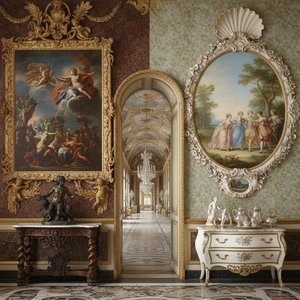
Drama & Delight: A Journey Through the Grandeur of Baroque and Rococo Art
Embark on a cultural journey through the dramatic grandeur of Baroque and the delicate grace of Rococo art. Discover the history, techniques, and timeless beauty of these magnificent eras with our expert-led exploration of European masterpieces.
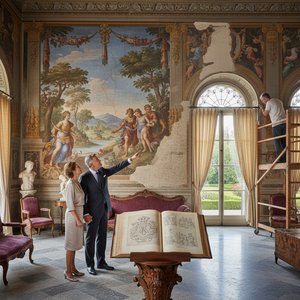
Legado en las Paredes: Frescos Familiares que Trascienden el Tiempo
Descubre el arte del fresco muralístico para inmortalizar tu historia familiar. Expertos en frescos personalizados y técnicas ancestrales. Crea un legado visual único con .
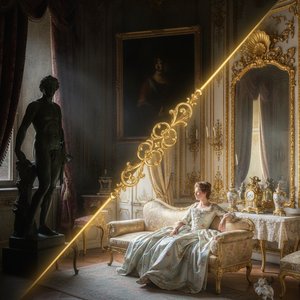
Baroque vs. Rococo: A Definitive Guide to High-Drama Shadows and Golden Elegance
Explore the dramatic evolution from Baroque's intense chiaroscuro to Rococo's golden elegance. Our expert guide decodes the shift from high-drama shadows to playful, ornate grace for art enthusiasts and collectors seeking deep historical insight.
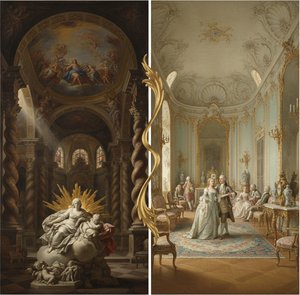
From Grandeur to Grace: Exploring the Evolution of Baroque & Rococo Art
Explore the captivating evolution from Baroque's drama to Rococo's grace! Discover key artists, characteristics & lasting influence of these art movements with expert insights at OriginalUniqueArt.