Ver en contexto
 Enviar
 Compartir
 Detalles

 Descargar
 Similares
 Radiografía
 Presentación de diapositivas
 Estadísticas
Untitled 46

 Ver más
Giclée / Impresión de arte
Impresiones giclée o en lienzo de calidad de museo con producción rápida y opciones de acabado flexibles. ( Comprar pintura hecha a mano Cambiar a imagen digital)




































Elija entre nuestros tamaños predefinidos que respetan las proporciones originales de la obra.

Puede introducir sus propias dimensiones para adaptarse a un marco o espacio específico. Si el tamaño seleccionado no coincide con las proporciones de la imagen original, recortaremos la obra de arte o extenderemos la imagen con un borde con efecto espejo o de color sólido. Se enviará una maqueta digital para su aprobación antes de que comience la producción.
Tenga en cuenta que la vista previa en pantalla no refleja el recorte o la extensión real. Solo la maqueta mostrará con precisión la composición final.
Aunque existen tamaños personalizados, recomendamos seleccionar una dimensión de la lista predefinida para preservar las proporciones originales.
Envío a todo el mundo () en 2 semanas en lugar de las 4/5 semanas estándar. (12 septiembre)

Envío exprés gratuito a todo el mundo

Lienzo de lino de alta calidad

Seguro de envío total

Garantía de reembolso de impuestos aduaneros

Garantía de fidelidad cromática exacta

Política de devolución de 100 días (solo por defectos)

Garantía de devolución del 100% del dinero

Descuento por cantidad
 La opción de vidrio solo está disponible en tamaños inferiores a 110 cm.

Untitled 46
Giclée / Impresión de arte
Dimensiones de la reproducción
-


Precio total final
$ 80
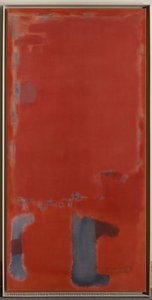
Exploring the Fragmented Soul: An Examination of Mark Rothko’s Untitled No. 46
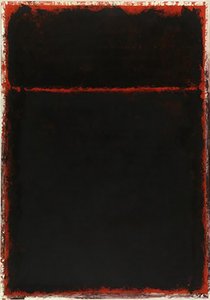
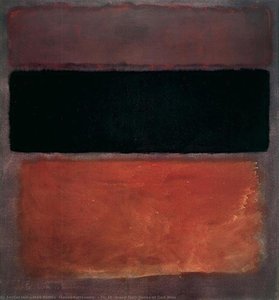
The canvas holds an arresting stillness—a deceptive calm that belies the turbulent energy contained within Mark Rothko's Untitled No. 46. Executed in 1953, this monumental work exemplifies Rothko’s signature approach to abstraction, prioritizing feeling over representation and inviting viewers into a contemplative dialogue about the human condition. It’s not merely pigment on paper; it’s an embodiment of existential anxiety rendered with breathtaking simplicity.A Legacy Shaped by Displacement
Rothko's formative years instilled in him a profound awareness of suffering—a legacy that would permeate his artistic vision throughout his life. Born Markus Yakovlevich Rothkowitz in Dvinsk, Latvia, he experienced firsthand the anxieties of Jewish families navigating precarious political landscapes marked by pogroms and persecution. This early exposure to trauma profoundly influenced his preoccupation with themes of loss and vulnerability, informing his relentless pursuit of conveying profound emotional truths through reductive visual language. The subsequent move to Portland, Oregon, solidified this trajectory, presenting him with challenges of cultural assimilation that further deepened his introspection.The Language of Color and Gesture
Rothko’s technique—a deceptively effortless process of drawing and sketching before applying layers of luminous color—is central to understanding the artwork's impact. He eschewed meticulous detail, opting instead for broad washes of cadmium red, orange, and yellow rectangles that bleed into one another on a creamy off-white surface. The deliberate flatness of these blocks defies conventional perspective, creating an illusion of depth achieved not through realistic depiction but through subtle variations in tone and texture. Hatching and crosshatching contribute to this textural richness, subtly modulating the luminosity of each rectangle and suggesting an underlying rhythm—a visual heartbeat that pulsates with unspoken emotion.Symbolism Beneath the Surface Calm
Despite its apparent simplicity, Untitled No. 46 is laden with symbolic resonance. The rectangles themselves are often interpreted as representing cells of consciousness – fragments of the human psyche grappling with fundamental questions about existence. Their overlapping positions evoke a sense of interconnectedness and interdependence, mirroring the complexities of human relationships and the inescapable awareness of mortality. Furthermore, Rothko’s deliberate avoidance of recognizable imagery—the absence of faces or landscapes—forces viewers to confront their own emotions and intuitions directly. The suggestion of stylized eyes within the rectangles adds another layer of ambiguity, prompting contemplation about perception and self-awareness.A Bridge Between Expressionism and Color Field Painting
Rothko’s Untitled No. 46 stands firmly within the tradition of Abstract Expressionism, particularly echoing the pioneering work of artists like Willem de Kooning and Jackson Pollock who championed spontaneous gesture and emotional intensity. However, it transcends mere stylistic imitation; it anticipates the ascendancy of Color Field painting—a movement spearheaded by Mark Rothko himself—which prioritized color as the primary vehicle for conveying emotion and spiritual experience. Like Rothko’s later canvases, this piece invites viewers to surrender to its immersive quality, fostering a meditative state where visual sensation becomes synonymous with psychological insight.Concluding Reflections
Ultimately, Untitled No. 46 is more than just an aesthetically pleasing composition; it's a profound meditation on the human condition—a testament to Rothko’s unwavering commitment to exploring the depths of emotion through reductive abstraction. Its enduring power lies in its ability to provoke contemplation and resonate with viewers long after they have gazed upon its luminous rectangles, reminding us that beauty can reside not in representation but in the unspoken language of feeling itself.Biografía del artista
vida temprana e influencias
Mark Rothko (Marcus Rothkowitz), un reconocido artista estadounidense, nació el 25 de septiembre de 1903 en Dvinsk, Letonia. Su familia emigró a los Estados Unidos cuando tenía solo diez años. Este cambio cultural influyó más tarde en su estilo artístico.evolución artística
La obra temprana de Rothko se caracterizó por el **expresionismo abstracto**, un estilo que enfatizaba el proceso de creación del arte más que el producto final. Sus pinturas, como No. 18 (1948) y Untitled (1948), mostraban su enfoque único del color y la forma.- **Campo de color:** El uso de campos de color rectangulares audaces por Rothko, a menudo en marcado contraste entre sí, creó una sensación de profundidad y emoción.
- **Estructura orgánica:** Sus pinturas parecían respirar vida, como si los colores fueran entidades vivientes.
obras notables y exposiciones
- No. 10 (1950), una pintura que marcó un cambio significativo en el estilo de Rothko, ahora forma parte de la colección del Museo de Arte Moderno.
- Las murales de Seagram, una serie de pinturas encargadas para el restaurante Four Seasons, mostraron la capacidad de Rothko para adaptar su estilo a diferentes entornos.
- No. 3 (1950), una pintura que ejemplifica el uso de campos de color rectangulares audaces por Rothko.
vida tardía y legado
La vida de Rothko estuvo marcada por las luchas con la salud mental y un matrimonio tumultuoso. Falleció el 25 de febrero de 1970, a los 66 años. A pesar de sus desafíos, Rothko dejó una huella imborrable en el mundo del arte. Ocre y rojo sobre rojo (campo de color), una pintura que muestra el enfoque único del color de Rothko, se puede encontrar en la colección OriginalUniqueArt.com. La página de Wikipedia de Mark Rothko proporciona más información sobre su vida y estilo artístico.
Mark Rothko
1903 - 1970 , Letonia
Datos clave
- Artistas Que Influyeron:
- Edward Hopper
- Pablo Picasso
- Fecha De Muerte: 25 de febrero de 1970
- Fecha De Nacimiento: 25 de septiembre de 1903
- Influencia En Artistas:
- Minimalismo
- Arte contemporáneo
- Lugar De Nacimiento: Daugavpils, Letonia
- Movimiento Artístico: Expresionismo Abstracto
- Nacionalidad: Estadounidense
- Nombre Completo: Mark Rothko (Marcus Rothkowitz)
- Obras Notables:
- No. 18 (1948)
- No. 10 (1950)
- Murales Seagram
- No. 3 (1950)
Artículos relacionados
Mark Rothko: Las 25 Obras Maestras que Definen la Expresión Abstracta | OriginalUniqueArt
Descubre las 25 obras maestras de Mark Rothko, pionero del expresionismo abstracto. Explora la historia, el significado y los colores vibrantes que definen su arte emocional. Reproducciones de alta calidad en OriginalUniqueArt.com.

Expresionismo Abstracto: 10 Obras Maestras que Transformaron el Arte |
Descubre las 10 obras maestras del Expresionismo Abstracto: Pollock, Rothko y más. Explora la historia, técnica y significado de estos lienzos icónicos. Reproducciones de arte exclusivas en .

The Sublimity of Color: Exploring the Emotional Landscapes of Mark Rothko's Abstract Expressionism
Explore the profound emotional depth of Mark Rothko's abstract expressionism. Discover the history, techniques & lasting impact of this pivotal Color Field painter. Expert insights for collectors and art enthusiasts.

Kandinsky: Las 25 Obras Maestras del Pionero de la Abstracción | OriginalUniqueArt
Descubre las 25 obras maestras de Wassily Kandinsky, pionero del arte abstracto. Explora su expresionismo, composiciones únicas y la historia detrás de cada cuadro. Reproducciones de alta calidad para decorar tu hogar con arte moderno en OriginalUniqueArt.com.
Más Allá de la Representación: Explorando el Paisaje Emocional del Expresionismo Abstracto
Descubra el Expresionismo Abstracto en profundidad. Análisis de artistas clave como Rothko y Richter, su contexto histórico e inversión en arte. Guía experta para coleccionistas.